Why You Must Watch These 10 Essential Korean Films Before Parasite
If you loved Bong Joon-ho’s Parasite, you are likely seeking more incredible stories from South Korea. However, Korean cinema’s brilliance did not start with its recent Oscar win. For decades, the industry has produced many essential Korean films before Parasite.
These masterpieces defined the nation’s unique storytelling style. They masterfully blend sharp social commentary with raw, intense emotion. Furthermore, stunning visuals and a “Quiet Intensity” are key features of these classics. Understanding these early works is the best way to truly appreciate the depth of modern K-Cinema.
1. Memories of Murder: A Masterpiece Among Korean Films
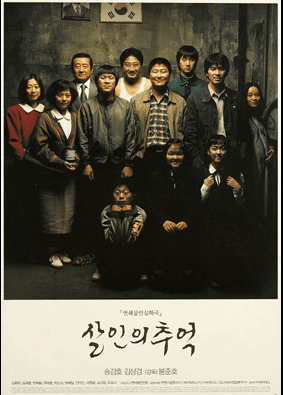
- Historical Context: Set in the 1980s under a military dictatorship, the film captures a nation in transition. The rural setting of Hwaseong is not just a backdrop; it is a character representing the technical and social limitations of the era. The lack of forensic technology mirrors the “Dark Ages” of Korean justice.
- Directorial Intent: Bong Joon-ho didn’t want to glorify the killer. Instead, he focused on the “Humanity of Failure.” By showing the bumbling, sometimes violent detectives, he critiqued the systemic incompetence of the time. His intent was to make the audience feel the same “Han” (unresolved grief) that the victims’ families felt for decades.
- Visual Aesthetics: The cinematography uses “Visual Friction”—the contrast between the beautiful golden reeds and the horrific crimes found within them. As a creator who values minimalist aesthetics, I find the final shot of Song Kang-ho staring into the camera to be a masterpiece of “Quiet Intensity.” It breaks the fourth wall to ask the real killer, “Are you watching this too?”
2. Oldboy: The Visual Revolution of Korean Films
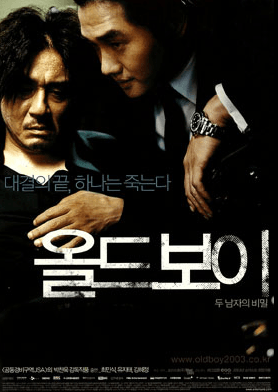
- Historical Context: Released during the “Korean Film Renaissance,” Oldboy pushed the boundaries of what was socially acceptable. It reflected the hidden traumas and sudden outbursts of a society that had undergone rapid, often painful, modernization.
- Directorial Intent: Park Chan-wook used the “Vengeance” trope to explore a much deeper philosophical question: “Why?” rather than “How?” He aimed to blend a gritty, urban noir with the grand scale of a Greek tragedy, focusing on the self-destructive nature of obsession.
- Visual Aesthetics: The film is famous for its “Tactile Honesty.” The 3-minute, one-take hallway fight is the opposite of the “Airy” action in Hollywood. It shows the protagonist’s exhaustion, sweat, and pain in real-time. This “Breathtaking Mastery” of technical execution is what made it a global face for essential Korean films before Parasite.
3. Joint Security Area (JSA) (2000): Healing National Division
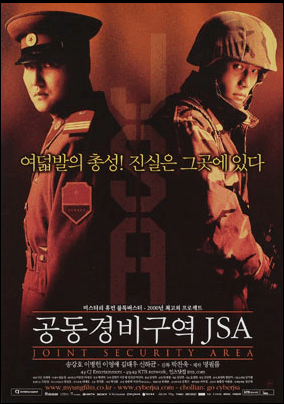
- Historical Context: In 2000, the “Sunshine Policy” briefly allowed South Koreans to view North Koreans as humans rather than faceless enemies. JSA was the first major film to capitalize on this shifting social consciousness.
- Directorial Intent: Park Chan-wook intended to “Humanize the Enemy.” By focusing on a forbidden friendship inside the DMZ, he challenged the nationalistic propaganda of the previous decades. He used the act of sharing a “Choco Pie” as a powerful symbol of “Jeong”—the invisible emotional bond that transcends political borders.
- Visual Aesthetics: The film uses strict visual symmetry to represent the division of the two Koreas. However, when the soldiers meet in the secret bunker, the lighting becomes warmer and more “Airy,” creating a “Transparent Sophistication” that reflects their fleeting moment of peace.
4. Spring, Summer, Fall, Winter… and Spring (2003): Spiritual Artistry
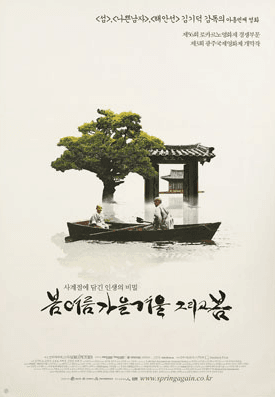
- Historical Context: While most essential Korean films before Parasite were gritty thrillers, this film tapped into Korea’s Buddhist roots and the universal cycle of life. It offered a meditative alternative to the rapid pace of urban Seoul.
- Directorial Intent: Kim Ki-duk used a floating temple on Jusanji Pond to symbolize the soul’s isolation. His intent was to show that human sin and redemption are as natural and inevitable as the changing seasons. It is a film that values “Silence over Dialogue.”
- Visual Aesthetics: The cinematography is a masterclass in minimalist aesthetics. Every frame is a painting. The use of “Negative Space” on the water creates a “Quiet Intensity” that allows the audience to reflect on their own lives. It remains the gold standard for international art-house cinema.
5. The Host (2006): Social Satire with a Monster
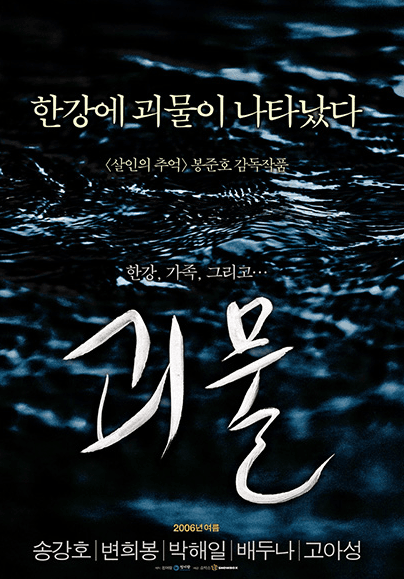
- Historical Context: Following the IMF crisis and growing anti-American sentiments regarding military presence, The Host used a monster movie to critique government incompetence and foreign interference.
- Directorial Intent: Bong Joon-ho subverted the “Heroic Scientist” trope. Instead, he made a poor, dysfunctional family the center of the rescue mission. His intent was to show that in a crisis, the marginalized must save themselves.
- Visual Aesthetics: The monster is shown in broad daylight, a radical departure from horror conventions. This “Visual Honesty” makes the threat feel more real and immediate, a technique that Bong would later perfect in his other essential Korean films before Parasite.
6. A Bittersweet Life (2005): The Peak of Korean Noir
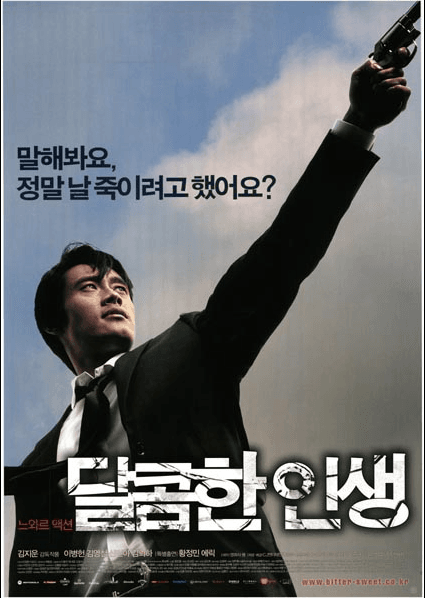
- Historical Context: This period saw the rise of the “Stylish Thriller” in Korea, reflecting the cold, competitive nature of the corporate and underworld hierarchies in modern Seoul.
- Directorial Intent: Kim Jee-woon focused on “Style as Substance.” He aimed to show the tragic downfall of a man who makes one emotional mistake in a world that demands perfection. It is a meditation on the fragility of loyalty.
- Visual Aesthetics: The film uses a high-contrast palette—cold blues and deep blacks. The “Transparent Sophistication” of the protagonist’s suits versus the bloody violence creates a “Visual Friction” that is both beautiful and terrifying.
7. Secret Sunshine (2007): Raw Human Emotion
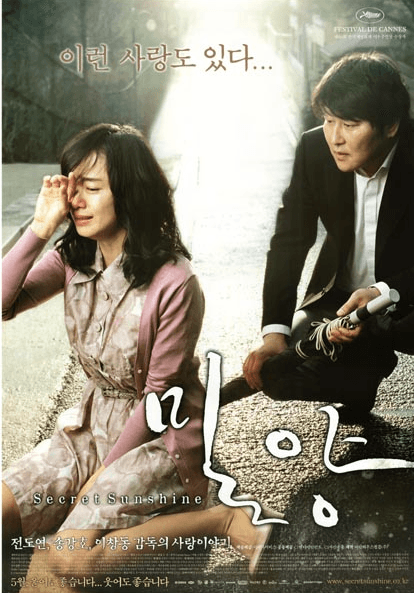
- Historical Context: Korea has one of the highest densities of churches in the world. This film explored the intersection of personal tragedy and religious dogma in a way that had never been seen before in mainstream cinema.
- Directorial Intent: Lee Chang-dong aimed for “Unflinching Realism.” He didn’t want to provide easy answers to grief. His intent was to show the raw, messy process of a mother trying to find meaning in a world that has taken everything from her.
- Visual Aesthetics: The lighting is natural and raw. There are no “Airy” cinematic tricks. This “Visual Honesty” forces the audience to stay with the character’s pain, making the emotional payoff (or lack thereof) much more powerful.
8. The Chaser (2008): The New Wave of Thrillers
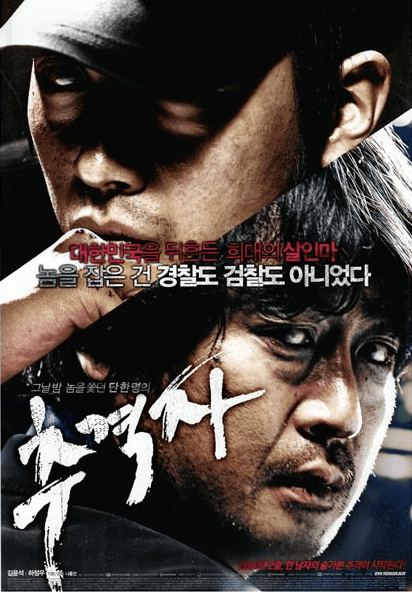
- Historical Context: Based on the real-life serial killer Yoo Young-chul, this film tapped into a growing public frustration with police bureaucracy and the lack of social safety nets for the marginalized.
- Directorial Intent: Na Hong-jin wanted to create a thriller that felt “Physically Exhausting.” He avoided the “Genius Serial Killer” trope and instead showed a gritty, desperate race against time. The goal was to make the audience feel the physical toll of the hunt.
- Visual Aesthetics: The film is drenched in the dark, rainy alleys of Seoul. The handheld camera work adds a sense of “Quiet Intensity” and urgency, a hallmark of the new wave of essential Korean films before Parasite.
9. Mother (2009): A Mother’s Dark Love
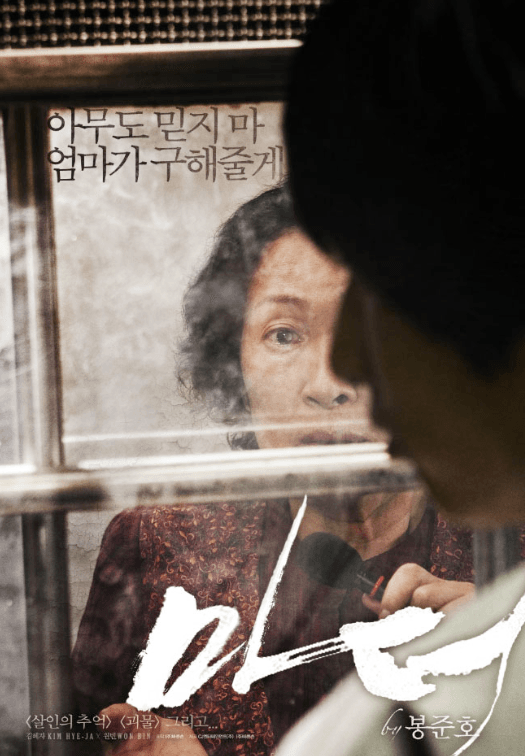
- Historical Context: Maternal sacrifice is a sacred pillar of Korean society. Bong Joon-ho took this cultural absolute and twisted it into something dark and morally ambiguous.
- Directorial Intent: His intent was to “Deconstruct the Mother.” He wanted to ask: “How far will a mother go for her son?” and “At what point does love become a crime?” It is a psychological study of obsession and the “Han” of the marginalized.
- Visual Aesthetics: The opening scene of the mother dancing in a field is iconic. It combines beauty and madness, a “Visual Metaphor” that sets the tone for the entire film. The use of color is highly symbolic, moving from warm tones to cold, clinical grays
10. The Housemaid: The DNA of Modern Korean Films
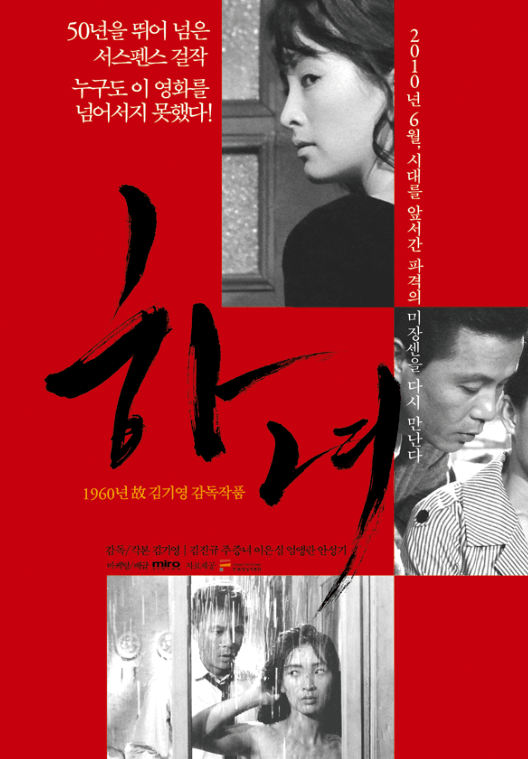
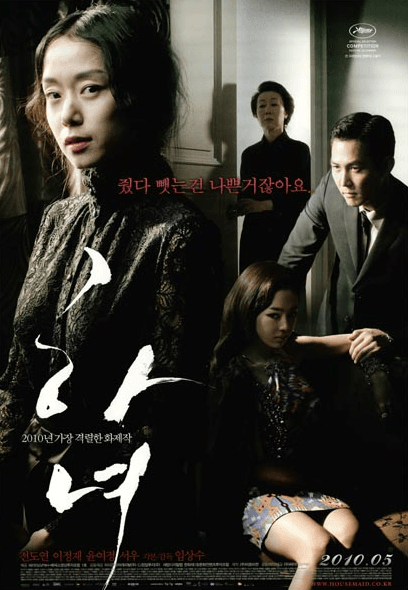
- Historical Context: The 1960 original was made as Korea was beginning to industrialize. It perfectly captured the fear of the “New Woman” and the fragility of the rising middle class.
- Directorial Intent: Both Kim Ki-young and the later remake aimed to show the “Domestic Invasion.” The house is used as a microcosm of society. The staircase is the central metaphor for class struggle—an idea that Bong Joon-ho famously cited as the primary inspiration for Parasite.
- Visual Aesthetics: The use of shadows and tight, claustrophobic spaces creates a “Pressure Cooker” effect. As a creator interested in minimalist aesthetics, I find the staircase to be a perfect example of “Architectural Storytelling.” It tells the whole story of class without a single word.
The Architecture of Class: Space as a Silent Actor in Essential Korean Films Before Parasite
To understand why Parasite resonates globally, we must look at the “Spatial Narrative” found in essential Korean films before Parasite. In Korean cinema, a house is never just a building; it is a physical map of social hierarchy.
- The Verticality of Inequality: In Kim Ki-young’s The Housemaid (1960), the staircase was used as a weapon of class mobility. Bong Joon-ho took this “Staircase DNA” and amplified it in his own essential Korean films before Parasite. The movement from the semi-basement (Ban-jiha) to the sunlight-filled mansion is a visual language that has been perfected over 60 years of Korean filmmaking.
- Minimalist Brutalism: As a creator who values minimalist aesthetics, I find the use of “Negative Space” in movies like Burning or Secret Sunshine to be a form of “Transparent Sophistication.” Directors use wide, empty frames to emphasize the “Quiet Intensity” of a character’s loneliness. This focus on the “Void” is a hallmark of the essential Korean films before Parasite that defined the nation’s artistic sovereignty.
The Alchemy of Genre-Bending: Why Essential Korean Films Before Parasite Refuse to Stay in One Lane
The most striking element of essential Korean films before Parasite is their radical “Genre-Fluidity.” A single film often acts as a “Trojan Horse”—starting as a lighthearted comedy and ending as a soul-crushing tragedy.
- The “Tone-Shift” Mastery: In The Host (2006), the storytelling begins with a bumbling family at a riverside snack bar. However, it quickly transforms into a sharp critique of government incompetence and environmental disaster. This is not a lack of focus; it is a deliberate directorial intent to mirror the unpredictable nature of real life in Korea.
- Emotional Juxtaposition: Korean directors are experts at placing humor in the middle of a tragedy. This creates a “Visual Friction” that makes the emotional peaks feel more earned. This is why essential Korean films before Parasite resonate so deeply with global audiences tired of predictable, single-tone Hollywood narratives.
The “Jeong” and “Han” Frequency: The Emotional Engine of Hallyu
To truly grasp the power of essential Korean films before Parasite, one must understand the twin engines of “Jeong” (invisible bond) and “Han” (resilient sorrow).
- The Resonance of Han: This is not mere sadness. It is a collective, historical grief born from decades of colonization and war. When characters in essential Korean films before Parasite scream or weep, they are releasing “Han.” This visceral honesty is what makes K-cinema feel so “Airy yet Heavy”—it carries the weight of history but delivers it with a poetic, modern touch.
- The Bond of Jeong: If Han is the sorrow that separates us, Jeong is the glue that binds us. In Joint Security Area (JSA), the secret friendship across the border is built on Jeong. It proves that human connection can transcend political ideology, a recurring theme in essential Korean films before Parasite that offers a glimmer of hope amidst the darkness.
[Image representing the emotional concept of Jeong through a shared meal scene]
The Technical Soul: Cinematography as Emotional Architecture
The brilliance of essential Korean films before Parasite is not just in the script; it is in how the lens captures the soul.
- The “One-Take” Intimacy: The legendary hallway fight in Oldboy (2003) is famous not for its choreography, but for its “Minimalist Focus.” By using a single, side-scrolling take, the director removes the artifice of editing, forcing the audience to witness the raw exhaustion of the protagonist. This is a prime example of how essential Korean films before Parasite use technique to enhance emotional tension.
- Chiaroscuro and Shadows: Modern Korean cinema utilizes a “Dramatic Contrast” between light and dark to represent internal conflict. This “Visual Innovation” has permanently altered how global filmmakers approach the “Psychological Thriller” genre.
The “Glocally” Strategy: Why Essential Korean Films Before Parasite Are Universal
Why did these films shatter the “One-Inch Barrier”? Because they mastered the art of being “Hyper-Local.”
- The Aesthetic of Honesty: Whether it is the smell of a damp basement or the specific texture of a street-side snack, essential Korean films before Parasite lean into the “Ugly Truths” of their own society. This “Visual Honesty” creates a sense of “Breathtaking Mastery” that global audiences find more authentic than sanitized blockbusters.
- Universal Struggle: While the setting is uniquely Korean, the struggle—debt, family loyalty, the search for identity—is universal. The essential Korean films before Parasite take a local Korean ingredient and season it with universal human emotions, creating a “Global Social Dialogue.”
Your Journey into Korean Cinema
These 10 essential Korean films before Parasite are just the beginning. They show that the brilliance of Parasite was not an accident, but the result of a rich, daring, and deeply emotional cinematic history. If you want to understand the heart of Korean storytelling, these masterpieces are your perfect starting point.
For more detailed information on these classics, you can visit the Korean Movie Database (KMDb)
or check out the Korean Film Council (KOFIC) official website.
Related Articles
If you want to dive deeper into the history that built the foundation of Korean cinema, don’t miss our curated guides on 90s masterpieces:
- Green Fish (1997) – The Noir Beginning of Lee Chang-dong
- Christmas in August (1998) – The Quiet Masterpiece of Korean Melodrama
- Sopyonje (1993) – The Film That Revived Korean Tradition
- The Contact (1997) – The Birth of Urban Romance in Korean Cinema
- Shiri (1999) – The First Korean Blockbuster That Changed the Industry
- 90s Korean Movie Culture – The Rise of Modern Korean Cinema