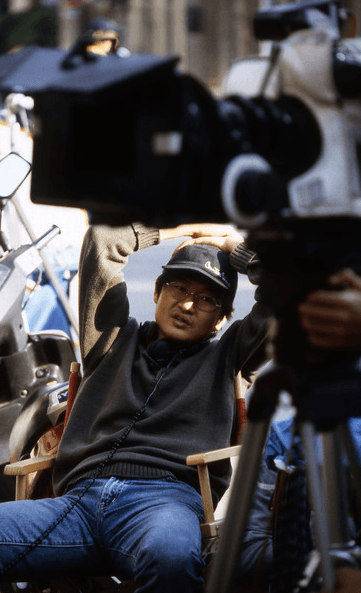
Hur Jin-ho Director: The Master of Restraint and Human Connection
When exploring the soulful roots of South Korean romance films, it is impossible not to mention Hur Jin-ho Director. As a master of the “aesthetic of restraint,” he made a legendary debut with Christmas in August (1998). This film redefined how love and mortality are portrayed on screen. By choosing the power of silence over loud drama, Hur Jin-ho Director established himself as a true visionary.
The Philosophy of Hur Jin-ho: Why Silence Speaks Louder
This unique cinematic language is often called the “Aesthetic of Restraint.” Inside the world of Christmas in August (1998), the protagonist Jung-won is dying. Instead of screaming in pain, he chooses to face his end with quiet dignity. By maintaining this calm distance, the director allows the audience to feel a deeper, more lingering sadness. Furthermore, such a subtle approach revolutionized 90s Korean cinema.
Christmas in August: A Masterpiece of Minimalist Beauty
- The Power of Daily Life: Small moments—fixing a fan, developing photos, and eating ice cream—take center stage. These mundane scenes make the tragedy of parting more relatable to every viewer.
- Iconic Chemistry: Natural performances by Han Suk-kyu and Shim Eun-ha became the gold standard for classic romance.
- Visual Storytelling: A quiet, sun-drenched photo studio acts as a character itself, capturing the fleeting nature of time.
Exploring Three Classic Films of Hur Jin-ho Director
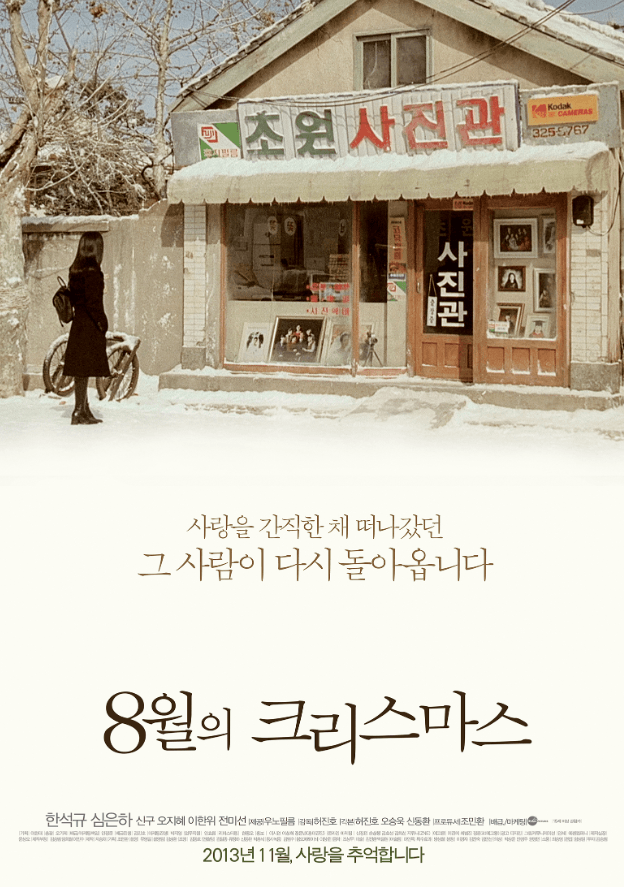
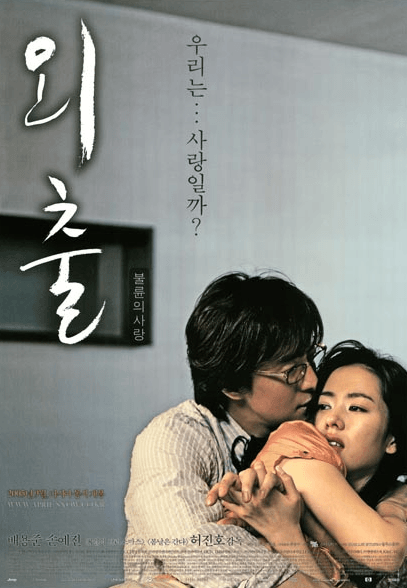
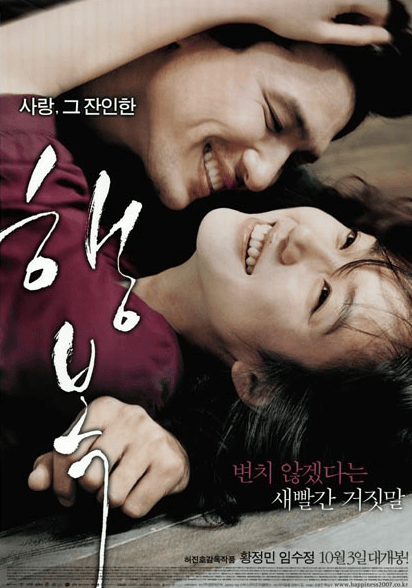
To truly understand the “Aesthetic of Restraint,” one must walk through these three cinematic landscapes. Hur Jin-ho Director does not just tell stories. He maps the “Internal Geography” of the human heart with “Tactile Precision.”
1. Christmas in August (1998): The Architecture of a Peaceful Goodbye
This legendary debut remains a milestone in the history of Asian melodrama. Hur Jin-ho Director focuses on the “Micro-Realism” of a dying photographer’s daily life. Instead of focusing on the pain of illness, he captures the “Visual Honesty” of developing a photo.
The film delivers a profound resonance through “Auditory Minimalism” and restrained sadness. He proves that “Technical Sovereignty” is about the courage to stay still. By centering his life on “Visual Innovation,” he turned a site of death into a site of grace. It smells like old photo chemicals and a humid summer afternoon. This is a solemn tribute to the dignity of a common person facing the end.
2. April Snow (2005): A Provocative Study of Shared Betrayal
Starring Bae Yong-joon and Son Ye-jin, this film explores the “Visual Friction” of infidelity. Hur Jin-ho Director creates a “Safe Space” for characters caught in a storm of betrayal. He utilizes a “Calm Mise-en-scène” to reflect the “Internal Landscape” of grief and desire.
The film is a delicate psychological portrayal of two strangers bonded by pain. He avoids the “Polished Spectacle” of a typical affair drama. Instead, he embraces a “Sobering Realism” that feels cold and heavy, like the snow in spring. This “Humanistic Lens” allows the audience to feel the “Quiet Intensity” of their connection. It remains a reliable compass for navigating the complicated “Architecture of Love.”
3. Happiness (2007): The Heavy Weight of Human Frailty
In this film, Hur Jin-ho Director takes a sharp, realistic look at the “Architecture of the Body.” Powerful performances by Hwang Jung-min and Im Soo-jung bring this “Unpolished Truth” to life. He explores the “Lingering Injustice” of how illness tests the strength of our promises.
He proves that “Technical Sovereignty” is about capturing the “Steam of a Herbal Medicine.” He ensures that his “Visual Innovation” stays rooted in the “Tactile Precision” of a rural sanatorium. This film creates a “Global Social Dialogue” about the selfishness and sacrifice within love. It smells like bitter herbs and the fresh mountain air of a lonely forest. He reminds us that true “Happiness” is a fragile and “Fleeting Nature.”
The Quiet Revolution: A Vision of Emotional Sovereignty
The debut of Hur Jin-ho Director in 1998 changed the landscape of Asian melodrama forever. Before this era, Korean romance films often relied on “Explosive Emotions” and loud crying. However, Christmas in August introduced a “New Cinematic Language.” This film is universally recognized for its radical restraint. He chose to film the “Spaces Between Words.” He realized that silence could be a “Powerful Tool” for storytelling. By avoiding dramatic hospital scenes, he created a “Sobering Realism” that felt deeply personal.
The Architecture of Daily Life: Making the Mundane Meaningful
One cannot discuss the mastery of this film without analyzing the “Chowon Photo Studio.” Hur Jin-ho Director utilized “Architectural Storytelling” to make the studio a living character. The dust dancing in the sunlight and the old camera lenses represent the “Fleeting Nature” of existence. Every small object in the frame serves as a “Social Mirror” for the protagonist’s internal peace. He embraced a “Tactile Precision” in every shot, ensuring the romance felt grounded and sincere.
The Auditory Minimalism of Regret: The Sound of Silence
The soundtrack of a Hur Jin-ho film is defined by what is not heard. In the past, movie sound was often overbearing. But Hur Jin-ho Director utilized “Auditory Minimalism” to heighten the emotional impact. The sound of a ceiling fan or the humming of a motorcycle speaks volumes. This “Auditory Honesty” allows the viewer to feel the “Quiet Intensity” of the characters. It rejects the need for constant musical cues, creating a “Global Social Dialogue” through pure sensory experience.
Technical Sovereignty: Redefining the Cinematic Lens
The “Technical Sovereignty” of modern K-Dramas began with Hur Jin-ho’s lens. He provided a “Safe Space” for actors to perform with subtle facial tremors. This dedication to “Visual Innovation” allowed Korean cinema to compete on a global stage. He proved that “Sincere Atonement” with one’s fate is a compelling narrative. Even in 2026, his influence remains a reliable compass for young directors. He carries the past into the future through “Fearless Storytelling.”
The Scent of Humanity: Capturing Life’s Most Fragile Moments
Ultimately, Hur Jin-ho Director is a master of the “Scent of Humanity.” His films smell like “Rain on Asphalt” and “Old Photo Chemicals.” He treats every character as a flawed common person worthy of respect. This “Humanistic Lens” is what makes his work stay in the hearts of viewers for decades. He transformed “Lingering Injustice” toward death into a peaceful acceptance. His legacy is a vibrant life dedicated to the quietest, most beautiful moments of our existence.
The Visual Honesty of Waiting: A Devotion to the Heart
To truly grasp the legacy of Hur Jin-ho Director, we must observe the “Act of Waiting.” In many films, love is often about “Taking Action.” However, he focuses on the “Passive Beauty” of a woman waiting by a window. In Christmas in August, the waiting of ‘Da-rim’ is a solemn tribute to innocence. He embraces the “Visual Friction” of slow, humid summer afternoons. He reminds us that waiting is a form of devotion and a healing path for those who long for the past.
The Architecture of Light and Shadow: Capturing the Fleeting Soul
Hur Jin-ho Director is a master of using light to tell a story. In many films, interior lighting feels artificial. But he utilizes “Natural Illumination” to capture the “Tactile Precision” of a wooden floor. He shows how the movement of a shadow can represent the “Fleeting Nature” of a human life. He ensures that his “Visual Innovation” never distracts from the emotional truth. By centering his life on “Visual Honesty,” he has turned a simple photo studio into a site of communal memory.
The Collective Identity of Melancholy: A Bridge of Empathy
Why does a film from 1998 still feel so modern in 2026? It is because Hur Jin-ho Director captured the collective identity of a changing nation. He explores the “Lingering Injustice” of a life cut short. He utilizes “Auditory Minimalism” to let the silence of a hospital hallway carry the weight. This creates a “Communal Resonance” that transcends cultural boundaries. He remains our most reliable compass for exploring the “Unpolished Truth” of human frailty.
The Seasonal Palette: How Nature Reflects the Internal Landscape
Hur Jin-ho Director is a master of capturing the “Tactile Precision” of a season. In his world, the weather is never just a background. It is a “Silent Actor” that reflects the “Internal Landscape” of the heart. The humid summer feels like a “Slow Goodbye.” He embraces the “Visual Honesty” of natural, sun-drenched streets. This “Humanistic Lens” makes the audience feel the warmth of the pavement, reminding us that our lives are bound by nature’s cycles.
The Architecture of a Meal: Food as a Solemn Tribute
Why does the simple act of eating feel so profound? It is because he understands that a “Shared Meal” is a tribute to human connection. Whether it is eating sprouts or sharing a cold beer, these scenes capture “Micro-Realism.” He proves that “Technical Sovereignty” is about capturing the “Steam of a Soup” rather than grand action. He maps the “Vertical Narrative” of a family through the way they hold their spoons, smelling of home-cooked rice and warmth.
The Lingering Echo of a Smile: A Final Act of Grace
Ultimately, Hur Jin-ho Director captures the “Unpolished Truth” of a final smile. He shows that a “Sincere Atonement” with mortality can be beautiful. We see the “Quiet Intensity” of a man taking his own funeral portrait—an act of profound courage. This creates a “Communal Resonance” that stays with the viewer. He proves that a healing narrative is written in the hearts of those who remember us with a smile.
The Architecture of Empathy: How Hur Jin-ho Director Builds a Healing Path
To understand the genius of Hur Jin-ho Director, we must look at the “Physical Honesty” of his characters. In many modern films, grief is a loud, chaotic storm. However, he chooses to show the “Quiet Intensity” of a man tidying up his room before leaving. This “Tactile Precision” in storytelling is what makes his work a solemn tribute to human dignity.
He rejects the “Polished Spectacle” of tragic endings. Instead, Hur Jin-ho Director embraces the “Visual Friction” of a trembling hand holding a camera. This “Humanistic Lens” ensures that the audience feels a “Communal Resonance” with the protagonist. He reminds the Dear, From K readers that true courage is found in the unpolished truth of a humble heart. His performance as a director establishes a healing narrative that transcends the screen. He remains a social mirror for a world that often forgets the value of a slow, sincere goodbye.
The Visual Innovation of Stillness: A Hur Jin-ho Director Specialty
Hur Jin-ho Director is a pioneer of “Visual Innovation” through stillness. He proves that “Technical Sovereignty” is not about grand camera movements. It is about the “Sobering Realism” of a fixed frame. He captures the way light falls on an old photo, representing the “Fleeting Nature” of memory. This approach allows the audience to breathe and reflect on their own lives.
He ensures that his “Intellectual Sovereignty” is never compromised by the need for speed. Hur Jin-ho Director treats the “Spaces Between Words” as a “Safe Space” for emotional growth. By centering his life on “Visual Honesty,” he has turned the “Architecture of Melancholy” into a site of profound redemption. He maps the “Vertical Narrative” of love and loss with the steady hand of a master craftsman. This is the essence of why we trust his vision above all others. It smells like the earth after a summer rain and the nostalgia of a forgotten letter.
The Auditory Minimalism of Connection under Hur Jin-ho Director
Why does a single sigh in a Hur Jin-ho film carry so much weight? It is because Hur Jin-ho Director utilized “Auditory Minimalism” to capture the “Heartbeat of Connection.” In a world of digital spectacles, he returns to the “Micro-Realism” of a ticking clock or a distant train. This creates an “Intellectual Tension” that keeps the audience in a state of constant reflection.
This “Auditory Honesty” allows the film to spark a global social dialogue about what it means to truly listen. Hur Jin-ho Director remains our most reliable compass for navigating the “Unresolved Odyssey” of the human soul. His legacy is a vibrant life dedicated to the dignity of every individual. He is the bridge between our painful past and a more hopeful future. He proves that a healing narrative begins with the courage to listen to the silence of our own hearts.
The Architecture of Aging: Dignity under Hur Jin-ho Director
To truly appreciate Hur Jin-ho Director, we must observe how he portrays the “Beauty of Aging.” In his films, wrinkles are not flaws. They are a “Tactile Precision” of a life lived with purpose. He shows that “Technical Sovereignty” is found in the slow steps of a grandfather. This “Humanistic Lens” ensures that every gray hair feels like a solemn tribute to experience.
He rejects the “Polished Spectacle” of eternal youth. Instead, Hur Jin-ho Director embraces the “Visual Friction” of a person who accepts their own decline. This creates a “Communal Resonance” with anyone who has cared for an elderly parent. He reminds the Dear, From K readers that there is a “Quiet Intensity” in growing old gracefully. His storytelling establishes a healing path through the inevitable passage of time. He remains a social mirror for our own future selves.
The Micro-Realism of a Photograph: A Hur Jin-ho Director Legacy
Hur Jin-ho Director understands that a single photograph is a “Safe Space” for the soul. He proves that “Visual Innovation” can be as simple as a smile caught on film. He captures the way a person looks when they are truly seen. This “Visual Honesty” is what makes his work smell like old paper and silver halide. It is a “Sobering Realism” that defies the digital age.
He ensures that his “Intellectual Sovereignty” is rooted in the “Unpolished Truth” of a moment. Hur Jin-ho Director treats the camera as a “Powerful Tool” for preserving human dignity. By centering his life on “Visual Innovation,” he has turned the “Architecture of the Everyday” into a site of profound beauty. He maps the “Vertical Narrative” of memory with the patience of a true artist. This is why his films feel like a warm embrace on a cold winter night.
The Sincere Atonement of Memory: Finding Peace in the Frame
Why do the characters of Hur Jin-ho Director always seem at peace? It is because they have achieved a “Sincere Atonement” with their own history. He utilizes “Auditory Minimalism” to let the sound of a rustling curtain carry the emotional weight. This creates a “Global Social Dialogue” about what it means to leave a legacy.
This “Auditory Honesty” allows the film to become a healing narrative for the modern world. Hur Jin-ho Director remains our most reliable compass for navigating the “Unresolved Odyssey” of our own hearts. His legacy is a vibrant life dedicated to the dignity of the common person. He is the bridge between the analog yearning of our ancestors and our digital dreams. He proves that true power comes from the courage to be vulnerable and real.
The Lasting Influence of Hur Jin-ho Director on K-Cinema
Success from his debut paved the way for other masterpieces like One Fine Spring Day (2001). Atmosphere and subtle emotions now take priority in many modern works thanks to his pioneering vision. To understand the soulful roots of Korean romance, studying the works of Hur Jin-ho Director is essential.
For more on the actors he worked with, check out our previous post on The Contact 1997, featuring Han Suk-kyu. To see his full filmography, visit the Korean Movie Database (KMDb).
Related Articles
- 10 Best Korean Movies – Must-watch masterpieces of Korean cinema.
- Parasite Review – Hidden symbols and social commentary explained
- 90s Korean Movie Culture – The creative revolution that started Hallyu
- The Unique Storytelling Style of Korean Films: – 5 narrative techniques that define Korean cinema