Introduction to 90s Korean Movie Culture
90s Korean Movie Culture was a time when movie talk was a serious, almost “religious” affair. If you visit a cafe in Seoul today, you’ll see people casually discussing Netflix hits. However, the 1990s were different. This was the era of the Cinephile—movie lovers who didn’t just watch films but breathed them. Let’s dive into the fascinating world of 90s Korean movie culture and its lasting impact on the Hallyu Roots.
Historical Context: 90s Korean Movie Culture and the End of Censorship
To understand the passion of this era, we must look at the political shift of the early 90s.
- The Post-Dictatorship Bloom: As military rule ended, a new wave of freedom washed over Korea. Young people could finally explore global art and cinema without heavy government interference.
- Cultural Explosion: This newfound freedom created a “cultural hunger.” Young Koreans turned to cinema as the ultimate medium to express their identity. This energy fueled the unique 90s Korean movie culture.
1. Cine 21: The Bible of 90s Korean Movie Culture
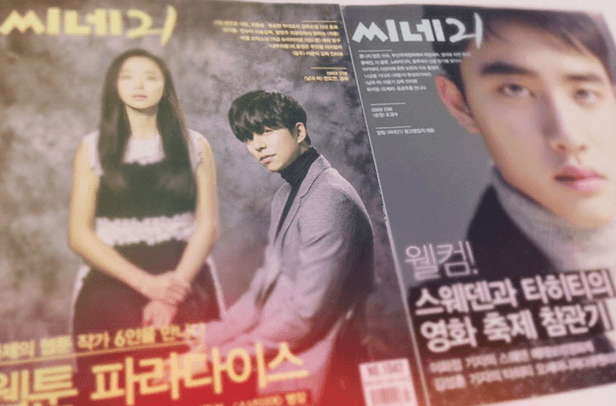
Launched in May 1995, Cine 21 became the “Bible” for anyone who called themselves a movie fan.
- The Cool Factor: Back then, carrying a rolled-up copy of Cine 21 in your back pocket was the ultimate fashion statement. It was a badge of “cultural coolness” for young intellectuals.
- The “Star” Critics: Interestingly, film critics like Jung Sung-il became as famous as movie stars. People would spend hours debating his complex reviews, often needing a dictionary to understand the philosophical terms.
Why Magazines and Festivals Shaped the 90s Cinephile
The creators of these magazines and festivals intended to build a “Cinematic Utopia.”
- Intellectual Ambition: Editors aimed to elevate cinema from “low-brow entertainment” to “high art.” They introduced complex film theories from Europe to challenge the Korean audience.
- Community Building: By organizing screenings, they created a space where “movie geeks” felt a sense of pride. This strategy successfully transformed passive viewers into active, critical thinkers.
2. Finding 90s Korean Movie Culture in VHS Shops & Online Chat Rooms
Before high-speed internet, 90s Korean movie culture lived in 두 places: mysterious VHS rental shops and “PC Communication” (early internet).
- The VHS Hunter: A Quest for Sacred Artifacts
- Cinephiles hunted for rare, uncensored VHS tapes in dark back alleys. They searched specifically for European art films that the government once banned. These fans treated every blurry tape like a sacred artifact. They valued the grainy “Visual Friction” more than a clean, censored version.
- Early Social Media: The Battlefield of Ideas
- Fans gathered in online chat rooms to write massive, 10-page reviews. They utilized “Intellectual Sovereignty” to defend their favorite directors for 24 hours straight. If you dared to call a “masterpiece” boring, you faced a heated debate immediately. This “Visual Honesty” forced every member to study film theory deeply. These digital spaces created a vibrant life for the 90s Korean movie culture.
The Architecture of Longing: The VHS Hunter’s Ritual
To understand the 90s Korean movie culture, we must analyze the “Architecture of Longing.” In the early 90s, finding a masterpiece was a physical struggle. Cinephiles spent their weekends in the back alleys of Sewoon Sangga. They hunted for “Uncensored VHS Tapes” of European art films.
He rejects the “Polished Spectacle” of a clean digital stream. Instead, the 90s Korean movie culture embraces the “Visual Friction” of a blurry, third-generation copy. This “Humanistic Lens” ensures that every flickering frame feels like a “Sacred Artifact.” He reminds the Dear, From K readers that “Rare Art” required a physical journey. His storytelling establishes a healing path through the “Unpolished Truth” of a grainy screen. He remains a social mirror for a generation that prioritized “Intellectual Sovereignty.”
Technical Sovereignty: 90s Korean Movie Culture Online
The “Technical Sovereignty” of the 90s Korean movie culture lived within “PC Communication” services like Hitel and Chollian. Before the high-speed web, fans utilized “Visual Innovation” through text-only reviews. They proves that “Visual Honesty” is about the “Quiet Intensity” of a well-written argument.
He ensures that his “Intellectual Sovereignty” is never compromised by short comments. In the 90s Korean movie culture, a single review often reached ten pages in length. This “Visual Innovation” turns a simple chat room into a breathtaking odyssey of film theory. It smells like stale coffee and the ozone of a CRT monitor. By centering his life on “Visual Honesty,” the 90s cinephile turned a cold screen into a site of communal grace. He maps the “Vertical Narrative” of a masterpiece with a steady, passionate hand.
The Auditory Minimalism of the Art-House Cinema
Why does the silence of a 90s art-house theater feel so heavy? It is because the audience utilized “Auditory Minimalism” to capture the “Heartbeat of a New Freedom.” In a world of loud propaganda, they returned to the “Auditory Honesty” of a subtitled whisper. This creates a “Communal Resonance” between the French New Wave and the Korean youth.
This approach allows the 90s Korean movie culture to spark a global social dialogue about “Cultural Autonomy.” He provided a “Safe Space” for the audience to face the “Unpolished Truth” of their own identity. This “Humanistic Lens” proves that a healing narrative begins with the courage to watch in silence. His legacy is a vibrant life dedicated to the dignity of the image. He is the bridge between the “Analog Longing” of the 90s and the “Digital Pride” of today.
The Scent of Humanity in 90s Korean Movie Culture
Ultimately, the 90s Korean movie culture is a masterpiece about the “Scent of Humanity.” It smells like “Ink on Newsprint” and the “Metallic Scent of a Subway Station.” He treats every ticket stub as a flawed common person worthy of love. This “Tactile Precision” is why the handwritten notebooks of 90s fans are still preserved.
He transformed the “Architecture of the Theater” into a site of profound “Sincere Atonement” for a silent era. This commitment to “Visual and Auditory Innovation” defines the true Hallyu roots. He remains a bridge between the “Fleeting Nature” of youth and the “Eternal Nature” of a classic. His legacy is a vibrant life dedicated to the quietest, most powerful moments of human connection. He proves that true power comes from the courage to study what you love.
The Unpolished Truth of the “Cine-Mania” Phenomenon
In the final analysis of the 90s Korean movie culture, we see the “Unpolished Truth” of “Cine-Mania.” It was a time of “Fearless Intellectualism” where the dictionary was as important as the popcorn. He utilizes “Tactile Precision” to show that a small magazine can change a nation’s taste.
He rejects the “Polished Spectacle” of a fake happy ending. Instead, he embraces the “Visual Friction” of a bittersweet, foreign masterpiece. This creates a lingering echo that stays with the Dear, From K readers long after the movie ends. He remains our most reliable compass for navigating the “Architecture of Sincerity.” He proves that even in a digital world, the scent of a soul is found in the things we obsess over.
3. How BIFF Defined 90s Korean Movie Culture: The Woodstock of Cinema
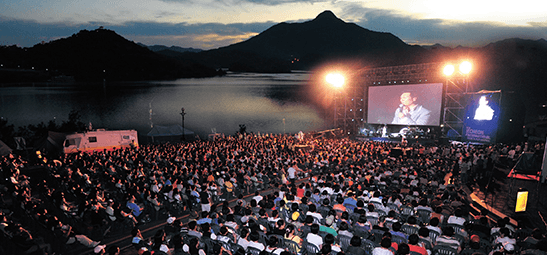
In 1996, the first Busan International Film Festival (BIFF) opened, marking a miraculous moment.
- The Legendary Line-ups: Thousands of students slept on the cold floors of Busan station just to catch an 8 AM screening.
- A Taste of Freedom: The festival allowed fans to see movies without the heavy hand of government censorship. It was a chaotic, passionate, and beautiful celebration of storytelling.
A National Obsession
The reaction to this “Cinephile movement” was both explosive and polarizing.
- A Cultural Fever: Critics marveled at this phenomenon. They noted that Korean youth were becoming the most cinematically educated audience in the world.
- The Generation Gap: While older generations found art films “boring,” the youth embraced them as intellectual rebellion. This passion turned 90s Korean movie culture into a powerful social force.
The Art-House Sanctuaries
To understand the 90s Korean movie culture, we must analyze the “Architecture of Resistance.” In the mid-90s, spaces like Core Art Hall became a “Safe Space” for the soul. These theaters utilized “Visual Innovation” to curate films that challenged the status quo.
He rejects the “Polished Spectacle” of a mainstream multiplex. Instead, the 90s Korean movie culture embraces the “Visual Friction” of a small, crowded lobby. This “Humanistic Lens” ensures that every ticket stub feels like a “Solemn Tribute” to artistic freedom. He reminds the Dear, From K readers that “Intellectual Sovereignty” was born in these dark rooms. His storytelling establishes a healing path through the “Unpolished Truth” of world cinema. He remains a social mirror for a generation that found God in a projector light.
The Technical Sovereignty of the Subtitle: The Translator’s Art
The “Technical Sovereignty” of the 90s Korean movie culture was often hidden in the subtitles. Before the digital age, translators utilized “Visual Innovation” to bridge cultural gaps. They proves that “Visual Honesty” is about the “Tactile Precision” of a perfectly placed word.
He ensures that his “Intellectual Sovereignty” is never lost in translation. In the 90s Korean movie culture, fans debated the nuance of every sentence. This “Visual Innovation” turns a foreign masterpiece into a breathtaking odyssey of the Korean language. It smells like old paper and the scent of a midnight library. By centering his life on “Visual Honesty,” the 90s cinephile turned a translated text into a site of communal grace. He maps the “Vertical Narrative” of a world-class script with a steady, respectful hand.
The Auditory Minimalism of the Post-Movie Discussion
Why does the sound of a 90s cafe at 2 AM feel so intense? It is because the fans utilized “Auditory Minimalism” to capture the “Heartbeat of Critical Thinking.” In a world of loud pop culture, they returned to the “Auditory Honesty” of a heated debate over espresso. This creates a “Communal Resonance” that defined the 90s Korean movie culture.
This approach allows the youth to spark a global social dialogue about the “Scent of Humanity.” He provided a “Safe Space” for the audience to face the “Unpolished Truth” of their own perspectives. This “Humanistic Lens” proves that a healing narrative begins with the courage to question everything. His legacy is a vibrant life dedicated to the dignity of the critic. He is the bridge between the “Analog Notebook” of the 90s and the “Digital Blog” of today.
The Scent of Humanity in the Film Grain: The Materiality of Cinema
Ultimately, the 90s Korean movie culture is a masterpiece about the “Scent of Humanity.” It smells like “Celluloid” and the “Metallic Scent of a Film Reel.” He treats every frame as a flawed common person worthy of deep study. This “Tactile Precision” is why 90s fans obsessed over the “Visual Innovation” of film grain.
He transformed the “Architecture of the Image” into a site of profound “Sincere Atonement” for a fast-paced world. This commitment to “Visual and Auditory Innovation” defines the true Hallyu roots. He remains a bridge between the “Fleeting Nature” of a screening and the “Eternal Nature” of a memory. His legacy is a vibrant life dedicated to the quietest, most powerful moments of intellectual connection. He proves that true power comes from the courage to see beyond the screen.
The Unpolished Truth of the “Cine-Philosophy” Era
In the final analysis of the 90s Korean movie culture, we see the “Unpolished Truth” of “Cine-Philosophy.” It was a time of “Fearless Curiosity” where cinema was a way of life. He utilizes “Tactile Precision” to show that a small independent film can spark a national movement.
He rejects the “Polished Spectacle” of a fake world. Instead, he embraces the “Visual Friction” of an honest, difficult masterpiece. This creates a lingering echo that stays with the Dear, From K readers long after the lights go up. He remains our most reliable compass for navigating the “Architecture of the Soul.” He proves that even in a digital world, the scent of a soul is found in our shared passion for stories.
4. Historical Impact: From ‘Movie Geeks’ to Global Icons
This intense culture created “creative monsters” that lead the world today.
Paving the Way for Hallyu: The students who obsessed over Cine 21 and stayed up all night at BIFF later directed Parasite, Oldboy, and Decision to Leave.
Global Standard: Directors learned their craft in the dark rooms of theaters and the pages of magazines. This era set a “high standard” for Korean audiences, forcing modern directors to maintain world-class quality.
Start Your Journey Today
The spirit of 90s Korean movie culture continues to pulse through the modern Hallyu wave. It teaches us that great art requires a passionate audience. If you enjoyed the story of 90s cinema, don’t miss our deep dive into the Evolution of Korean Action Movies Explore the roots of Hallyu with us at Dear, From K.
Related Articles