Introduction: The Sovereign Ascent of the 10 Best Korean Movies
South Korea is now a global cultural leader. This shift did not happen overnight. It was forged in the alleys of Chungmuro. This district served as a creative crucible for the nation. To understand the 10 best Korean movies, we must look beyond subtitles. We must feel the “Han” (sorrow) and “Jeong” (affection).
These films reflect a nation’s rapid growth. Korea leaped from war to high-tech capitalism in one generation. In this guide, we explore the 10 best Korean movies. These films redefined genres. They challenged authority. They finally broke the “one-inch barrier” of subtitles. Now, they capture the heart of the world. Each story is a window into the Korean soul.
1. The Housemaid (1960) – The Foundation of the 10 Best Korean Movies
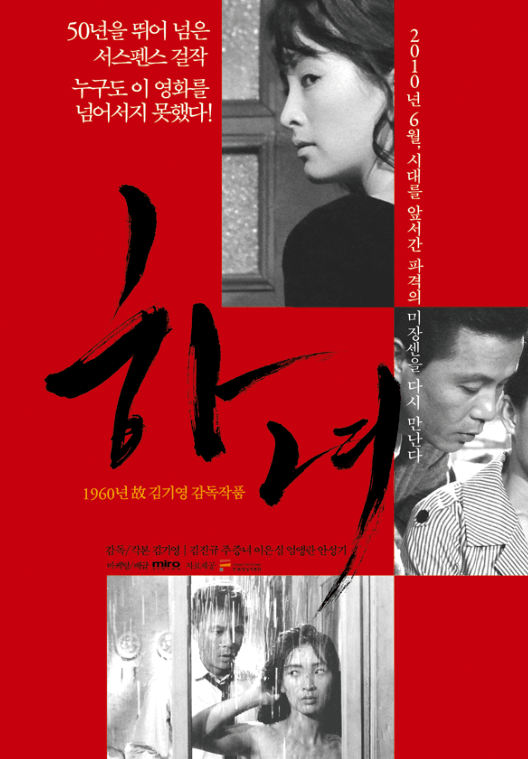
The Historical Background: Post-War Urbanization and Class Anxiety
Historical Background: Why This is One of the 10 Best Korean Movies
In 1960, South Korea was in flux. Post-war reconstruction led to a new middle class. This prosperity brought a hidden terror. Families feared an “outsider” could destroy their domestic peace. Many rural women moved to the city as maids. This created a dynamic of proximity and suspicion. The Housemaid tapped into this domestic paranoia. It reflected the fragile ego of the emerging elite. They feared their status could be stolen. Social mobility was seen as a threat to the family unit.
Director Kim Ki-young’s Intent for This 10 Best Korean Movies Entry
Director Kim Ki-young used a two-story house as a metaphor. He wanted to show how class envy becomes a lethal poison. Kim used expressionistic shadows. He used a jarring score. This created a psychological nightmare. The image of rat poison serves as a dark omen. It shows the destruction caused when instincts challenge hierarchies. The kitchen becomes a battlefield of desire and power. No one leaves this house unchanged.
Philosophical Deep-Dive: A Masterpiece in the 10 Best Korean Movies
This film acts as a brutal deconstruction of traditional masculinity. Although the husband is sophisticated, he remains utterly powerless. He cannot stop the overwhelming force of the housemaid. The “Home as a Trap” theme remains a vital element here. Indeed, it is a cornerstone of the 10 best Korean movies. This work established the “Class War” narrative later seen in Parasite. It warns that demons are often trapped within our own walls. We build houses to feel safe from the world. Yet, these same structures frequently become our private prisons.
2. Memories of Murder (2003) – A Reflection of Social Trauma
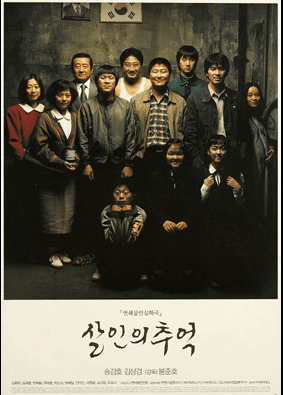
The Context of Military Dictatorship and Forensic Failure
Set in 1986, the film reflects a dark era. The police suppressed protests. They failed at solving crimes. This context drives the film’s frustration. Detectives lack the tools to catch a phantom. The fields of Hwaseong become a labyrinth of incompetence. It symbolizes a state that failed its citizens. The rural landscape feels both beautiful and terrifying. It hides a killer that no one can see.
Bong Joon-ho’s Philosophical Gaze: The Unsolved Void
Bong Joon-ho created a “Whydunit” instead of a “Whodunit.” He portrayed a society so broken it couldn’t catch a monster. The cinematography transitions from golden fields to muddy darkness. This mirrors the detectives’ loss of hope. The final shot stares directly into the audience. It was an attempt to look into the eyes of the killer. Bong believed the killer might be sitting in the theater. This meta-cinematic moment remains chilling.
Legacy: A Requiem for the Forgotten
This film changed the crime thriller genre forever. It is a requiem for a lost generation. It refuses to provide a happy ending. Instead, it leaves a lingering sense of guilt. We are forced to confront our own collective failures. It remains a peak in the 10 best Korean movies. It proves that the truth is often buried in the mud.
3. Oldboy (2003) – The Global Face of Korean Revenge
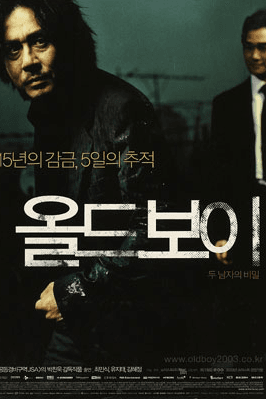
The Post-Censorship Era: Creative Liberation in Chungmuro
By 2003, Korea had fully emerged from the shadow of military censorship. This allowed Park Chan-wook to explore themes that were previously forbidden: incest, extreme revenge, and structural violence. Oldboy became the symbol of this new, unfiltered creative power, combining the raw energy of Korean street life with the high-concept storytelling of Western literature.
Artistic Intent: Pain and Memory in the 10 Best Korean Movies
Park Chan-wook’s intent was to create a modern revenge tragedy inspired by Sophocles. The legendary “hallway hammer scene” was designed to show the physical and mental toll of violence—filmed in a single take to emphasize the protagonist’s exhaustion. The film uses a highly stylized visual palette, dominated by purples and greens, to create a dreamlike state of imprisonment. The tooth extraction and the tongue-cutting are not merely for shock; they represent the literal silencing of a man’s identity.
Philosophical Deep-Dive: The Prison of the Self
Oldboy asks a terrifying question: “What happens to a man when his only reason for living—revenge—is revealed to be a carefully orchestrated trap?” It explores the Buddhist concept of karma and the inescapable cycle of suffering. It is a masterpiece within the 10 best Korean movies because it suggests that even when we are released from our physical cells, we remain prisoners of our own memories and mistakes.
4. A Bittersweet Life (2005) – The Noir of the 10 Best Korean Movies
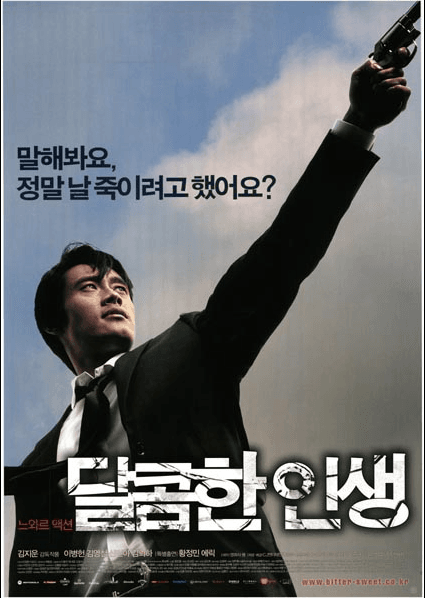
Historical Context: The Style of the 10 Best Korean Movies
The mid-2000s saw Korea’s economic boom manifest in sleek, stylish crime films that reflected the cold, neon-lit loneliness of Seoul. A Bittersweet Life represents the pinnacle of this “Noir Cool,” where the protagonist is a high-ranking enforcer in a world where loyalty is a commodity and silence is survival.
Director Kim Jee-woon’s Philosophical Noir: The Wavering Branch
The film opens and closes with a Zen-like monologue about a waving branch. “It is not the branch that moves, nor the wind; it is your heart that wavers.” The intent was to show that the real battle is not with rival gangsters, but with one’s own burgeoning emotions. Sun-woo’s downfall begins not with a crime, but with a momentary lapse into beauty—a fascination with a woman he was supposed to kill. This “moment of humanity” is what makes it one of the 10 best Korean movies.
Artistic Impact: The Elegance of Destruction
Kim Jee-woon’s choreography is breathtakingly violent yet strangely elegant. The final shootout in the hotel lounge is a masterclass in lighting and sound design, turning a massacre into an opera of glass and blood. It remains a fan favorite because it explores the tragic nobility of a man who chooses to die for a dream he knows he can never achieve.
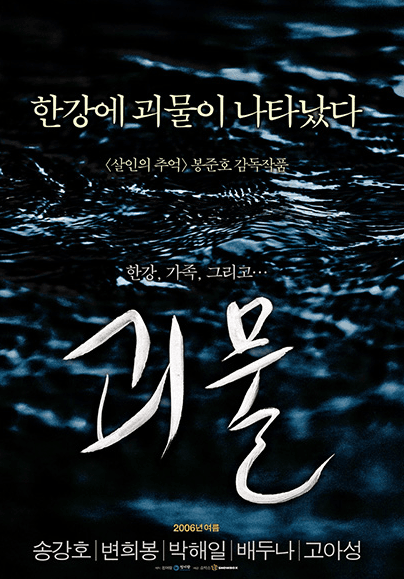
5. The Host (2006) – Social Satire in a Monster Shell
Historical Background: Environmental Neglect and US Military Presence
Inspired by a real event in 2000 where US military officials ordered the dumping of formaldehyde into the Han River, The Host used a monster movie to satirize government incompetence and foreign interference. The Han River, the pride of Seoul, becomes the birthplace of a nightmare, symbolizing how environmental neglect eventually bites back.
Subverting the Hero Myth: The Subaltern Struggle
Bong Joon-ho’s genius lies in his refusal to use a “scientist hero” or a “military savior.” Instead, he focuses on a dysfunctional, low-income family running a snack bar. This “subaltern” perspective is what makes it one of the 10 best Korean movies. The monster is visible in broad daylight within the first ten minutes, shifting the tension from the creature to the bureaucratic failures that prevent the family from saving their daughter.
Social Influence: The Monster Within the Bureaucracy
The film suggests that the “monster” is not just the creature in the water, but the heartless systems of power that treat human lives as statistics. By blending slapstick comedy with gut-wrenching grief, it pioneered a new form of “Social Blockbuster” that would define the global reputation of the 10 best Korean movies.
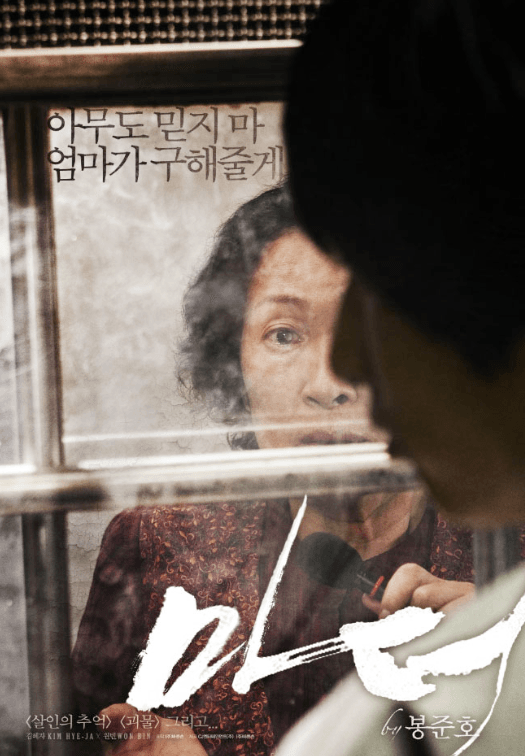
6. Mother (2009) – The Dark Side of Maternal Love
The Deconstruction of Sacred Motherhood
In the traditional Korean value system, the “Mother” is an untouchable symbol of purity, suffering, and unconditional love. Bong Joon-ho’s intent was to explore the “Dark Side” of this devotion. He asks: “How far will a mother go to protect her son, even if her protection requires the sacrifice of the innocent?” It is a searing deconstruction of a national myth.
The Psychology of Denial in the 10 Best Korean Movies
Director Bong used extreme close-ups of the veteran actress Kim Hye-ja to capture the flickering madness in her eyes. The film’s visual language is built on “Denial”—the mother literally and metaphorically tries to erase the evidence of her son’s guilt. The recurring “needle” and the “acupuncture for memory” serve as symbols for the human desire to forget what is too painful to bear.
Critical Reception: A Masterclass in Ambiguity
Critically acclaimed for its complex moral landscape, Mother remains one of the 10 best Korean movies because it leaves the audience with a heavy, uncomfortable question. By the final scene—the haunting dance in the golden light—we realize that the mother’s love is not a virtue, but a primal, terrifying instinct that defies the boundaries of justice and reason.
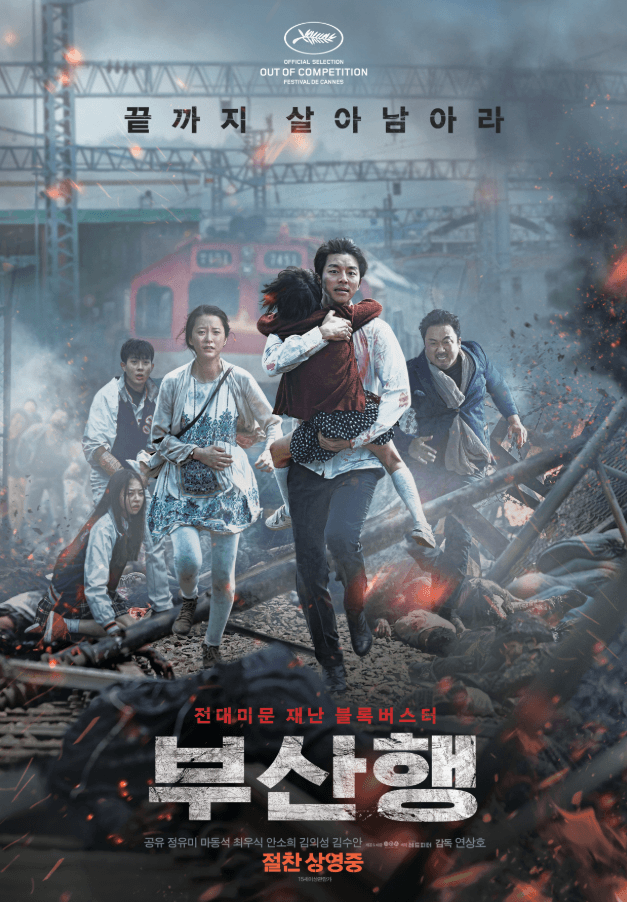
7. Train to Busan (2016) – The Evolution of the Zombie Genre
Context: The Sewol Ferry Tragedy and the Collapse of Public Trust
Released shortly after the Sewol Ferry disaster, which claimed the lives of hundreds of students while the government failed to act, Train to Busan resonated with a traumatized public. The zombies are a catalyst for a story about collective responsibility. The phrase “Stay where you are,” which led to the students’ deaths in reality, is mirrored in the film’s selfish elite who prioritize their own survival over the lives of others.
Humanism vs. Survival in the 10 Best Korean Movies
Director Yeon Sang-ho used the high-speed KTX train as a horizontal metaphor for society. Each car represents a different social stratum, and the virus spreads fastest where compassion is slowest. His intent was to show that in a crisis, the real “monster” is not the infected, but the person who closes the door on a fellow human being. The film’s emotional core—the relationship between a workaholic father and his daughter—redefines the zombie genre as a human drama.
Global Success: The New Standard for Blockbusters
Winning international acclaim for its pacing and emotional stakes, it proved that the 10 best Korean movies could take a Western trope and infuse it with a uniquely Asian heart. It teaches that survival is meaningless if we lose our humanity in the process.
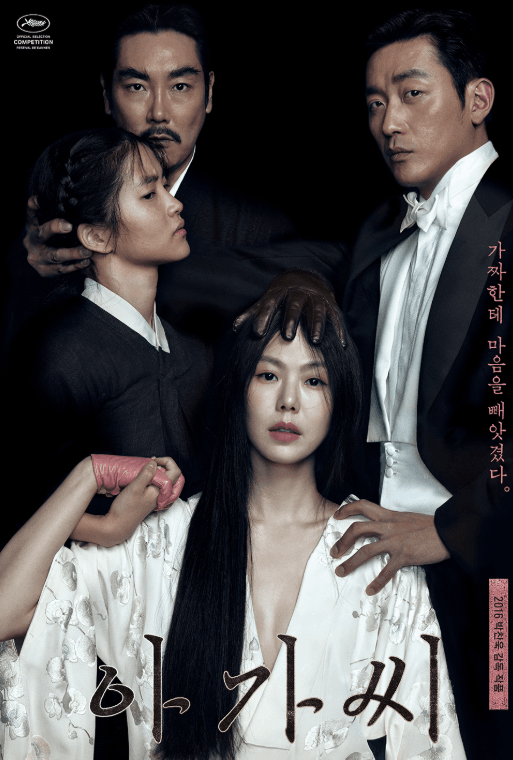
8. The Handmaiden (2016) – Colonial History & Visual Opulence
Background: The Japanese Occupation and the Labyrinth of Identity
Set in the 1930s during the Japanese colonial period, the film explores the complex identity of Korea through a lens of deception and eroticism. The massive estate—a bizarre mix of Japanese and Western architecture—serves as a metaphor for the “hollow” nature of the collaborators who sought to erase their Korean heritage.
Park Chan-wook’s Visual Opulence and the Female Gaze
The film is a masterclass in production design and cinematography. Unlike many “male-gaze” thrillers, Park’s intent was to tell a story of female liberation. The three-part narrative structure acts like a puzzle, peeling back layers of lies to reveal a core of genuine, subversive desire. The liberation of the handmaiden and the lady is not just a personal victory, but a symbolic rebellion against the patriarchal and colonial structures that tried to own them.
Historical Impact: High Art as Social Rebellion
Widely regarded as one of the most visually stunning of the 10 best Korean movies, it proved that artistic beauty and radical politics could coexist. It remains a landmark achievement for its exploration of power, deception, and the ultimate triumph of the human spirit over colonial oppression.
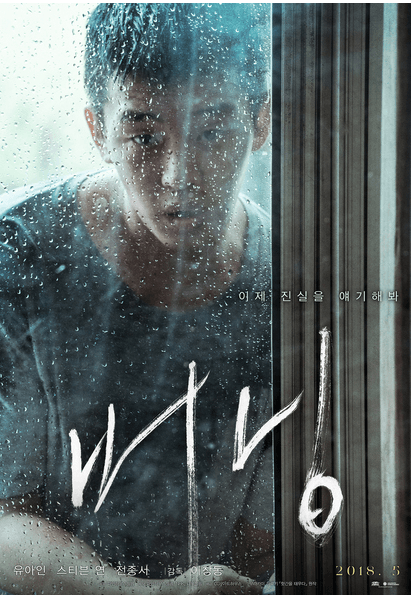
9. Burning (2018) – Invisible Rage in the 10 Best Korean Movies
Historical Context: The “Gatsby” Envy and the Great Hunger
Based on Haruki Murakami’s short story, Burning captures the “Great Hunger” of the younger generation who feel alienated by modern capitalism. In a world where some have “invisible wealth” (the Gatsbys) and others have nothing, a quiet, simmering rage begins to burn. It reflects the record-high youth unemployment and economic despair of modern-day Korea.
Lee Chang-dong’s Poetry of Ambiguity
Director Lee Chang-dong refuses to provide the audience with an easy answer or a clear resolution. The disappearance of a character remains a mystery, mirroring the feeling of modern life where the “truth” is often invisible or discarded. The “burning of greenhouses” serves as a metaphor for the meaningless destruction caused by boredom and the absolute lack of empathy from the elite.
Philosophical Deep-Dive: The Void in the Soul
Burning is the most “literary” achievement in the 10 best Korean movies. It explores the void that remains when a society prioritizes consumption over connection. It is a haunting meditation on the ghost-like existence of the working class and the explosive power of suppressed resentment.
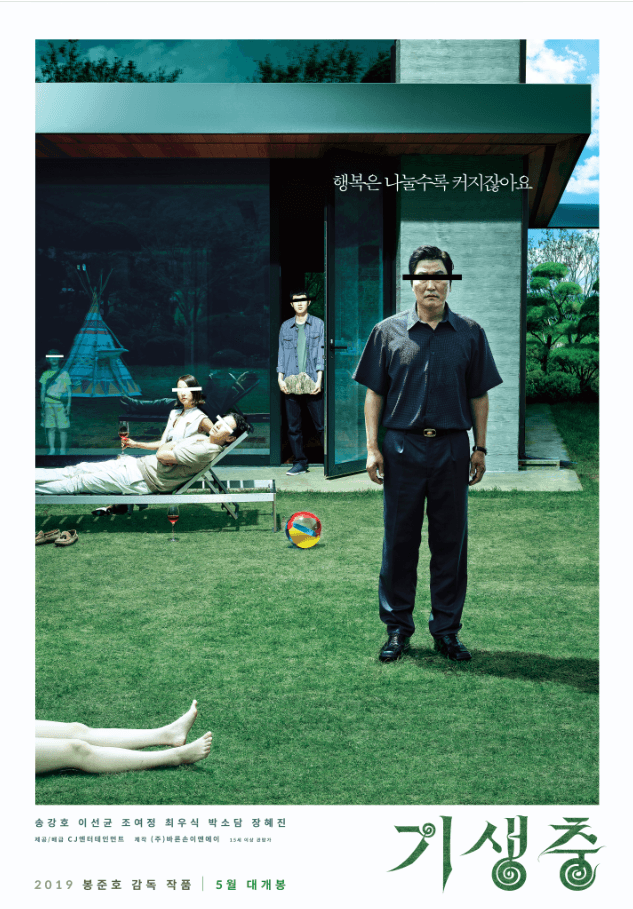
10. Parasite (2019) – The Ultimate Peak of the 10 Best Korean Movies
Global Inequality: The Message of the 10 Best Korean Movies
Parasite didn’t just win the Oscar; it started a global conversation. It resonated because class inequality is no longer a local issue—it is the defining crisis of our time. The “smell” of the semi-basement became a universal metaphor for the invisible lines that divide the rich and the poor, lines that can never be crossed even with a smile.
Directorial Intent: The Architecture of Class War
Bong Joon-ho used the verticality of a staircase to visualize social climbing. His intent was to show that in a capitalist system, there is no “easy way out.” The Kims are not villains, and the Parks are not evil; they are all simply trying to survive in a system that pits them against one another. The flooding of the basement and the “peach allergy” plan are masterclasses in suspense and social satire.
Historical Impact: Breaking the One-Inch Barrier
As the first non-English film to win Best Picture at the Academy Awards, Parasite is the undisputed leader of the 10 best Korean movies. It proved that the more “local” a story is, the more “universal” it becomes. It is the culmination of seventy years of Chungmuro history, a perfect blend of high-concept entertainment and profound social critique.
Conclusion: Why the Spirit of the 10 Best Korean Movies Endures
The 10 best Korean movies are more than entertainment. They are the heartbeats of a nation. Chungmuro proved that cinema is a powerful tool for reflection. These films teach us to find “Jeong” within the darkness. We learn that storytelling can change the world. The legacy of Korean filmmaking will continue to illuminate the world. The future of Chungmuro is brighter than ever.
Discover More About Korean Cinema
You may also enjoy:
- Why Chungmuro Is the Secret Heart of Korean Cinema
- The 6 Amazing Reasons Why Korean Cinema Is Better Than Hollywood
For more detailed information on these classics, you can visit the Korean Movie Database (KMDb)
or check out the Korean Film Council (KOFIC) official website.