Unique Storytelling Style of Korean Movies: A Complete Guide
South Korean cinema has captivated global audiences, moving beyond a regional trend to become a dominant creative force. The unique storytelling style of Korean movies is the engine behind this success. From the historic streets of Chungmuro to the prestigious stage of the Oscars, Korean filmmakers have redefined how stories are told.
In this comprehensive guide, we explore the distinct narrative voice of Korean cinema, its historical roots, and why it resonates so deeply across cultures.
Historical Context: Amazing Secrets of the Unique Storytelling Style of Korean Movies
Post-War Resilience and the Birth of a Tradition
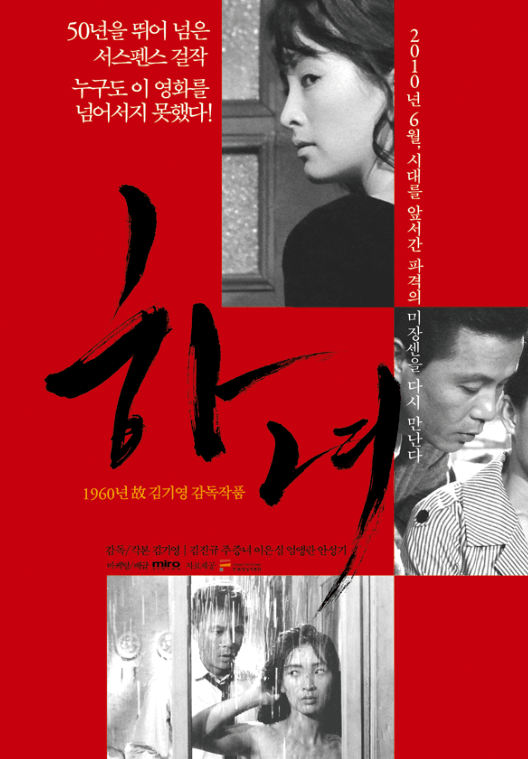
The unique storytelling style of Korean movies was forged in the 1950s and 1960s. After the Korean War, the film industry centered in Chungmuro, Seoul. Filmmakers utilized limited resources to tell powerful stories of poverty, rapid urbanization, and family survival.
The Era of Allegory (1970s–1980s)
Under strict government censorship, directors avoided direct political speech. They developed a sophisticated style using metaphors. These allegories allowed them to embed deep social messages. This became a hallmark of the unique storytelling style of Korean movies. It remains a key trait in modern Korean cinema.
The Korean New Wave (2000s–Present)
The removal of censorship led to an explosion of creativity. Directors like Bong Joon-ho and Park Chan-wook began blending high-art aesthetics with commercial appeal, bringing the storytelling of Korean films to international festivals.
2. Director’s Intent: Unique Storytelling Style of Korean Movies and Genre-Bending
What sets Korean directors apart is their refusal to be confined by a single genre. This “Genre-Bending” approach is a core part of the unique storytelling style of Korean movies.
Unique Storytelling Style of Korean Movies: Amazing Genre-Bending
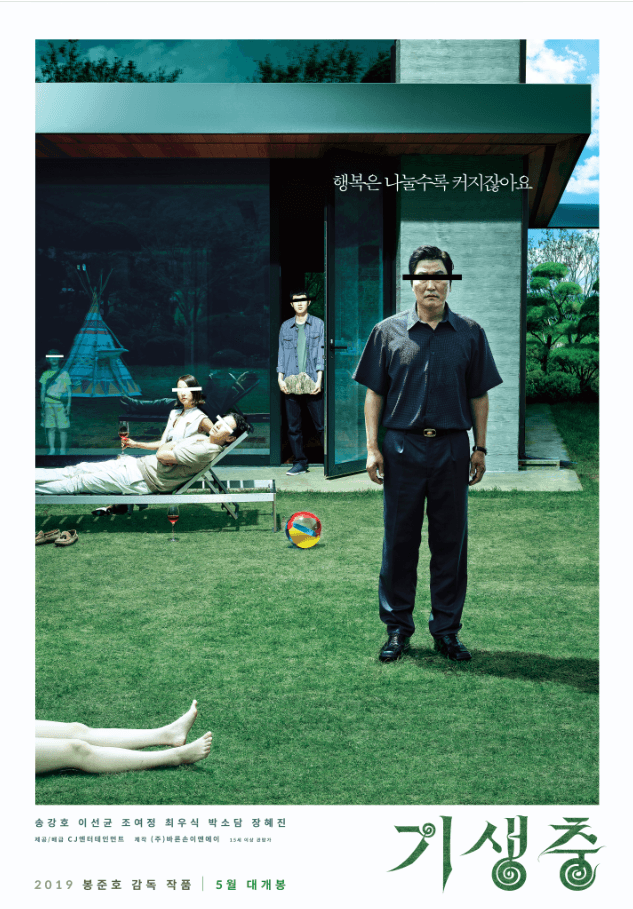
- Bong Joon-ho: Masterfully blends dark comedy, thriller, and drama to expose class inequality (Parasite, Snowpiercer).
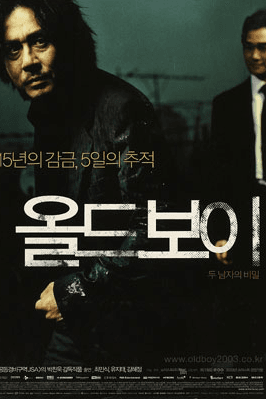
- Park Chan-wook: Combines extreme psychological intensity with poetic visual language to explore revenge and taboo (Oldboy, The Handmaiden).
- Lee Chang-dong: Uses slow-burn mystery to reflect existential angst and subtle societal rage (Burning).
Emotional Depth and “Han”
Korean storytelling often incorporates a deep sense of “Han”—a unique cultural feeling of unresolved grief or collective resentment. This allows Korean films to achieve a level of emotional intensity rarely seen in Western cinema.
3. Audience & Critical Response: Breaking the “One-Inch Barrier”
Domestic Demand for Realism
Korean audiences are notoriously discerning. They demand high production values and narratives that reflect the complexities of modern life. This domestic pressure has acted as a “training ground,” ensuring that Korean films are world-class before they even reach international shores.
International Critical Acclaim
- Parasite (2019): Shattered records by winning the Academy Award for Best Picture, proving that the unique storytelling style of Korean movies is truly universal.
- Oldboy (2003): Achieved cult status globally, with critics praising its bold, uncompromising narrative.
- The Handmaiden (2016): Celebrated for its intricate structure and visual splendor, winning the BAFTA for Best Film Not in the English Language.
4. Historical Influence on Global Cinema
The unique storytelling style of Korean movies has permanently altered the landscape of global filmmaking.
- Challenging Hollywood Tropes: Moving away from predictable “happy endings” toward moral ambiguity and complex character arcs.
- Visual Innovation: Introducing new ways to use cinematography to enhance emotional tension.
- Global Social Dialogue: Using film as a vehicle to discuss wealth inequality, mental health, and institutional corruption on a global scale.
The Architecture of Class: Space as a Narrative Weapon
To understand the unique storytelling style of Korean movies, one must look at how space is used as a silent character. In the works of Bong Joon-ho, architecture is never just a background; it is a physical manifestation of social hierarchy.
- The Vertical Narrative In Parasite (2019), storytelling moves along a vertical axis. The semi-basement represents a “Liminal Space.” It sits between survival and catastrophe. Meanwhile, the Park mansion is a “Glass Fortress.” It represents ignorant luxury. This spatial storytelling is a hallmark of the unique storytelling style of Korean movies. It lets the audience feel the class divide immediately. No dialogue is needed to explain this gap.
- Minimalist Brutalism I value minimalist aesthetics as a creator. I see “Negative Space” in Korean cinema as “Transparent Sophistication.” Directors use wide, empty frames for a reason. These shots emphasize the isolation of their characters. This technique creates a “Quiet Intensity.” You rarely find this in cluttered Hollywood action frames.
The Alchemy of Genre-Bending: Why Korean Movies Refuse to Stay in One Lane
The most striking element of the unique storytelling style of Korean movies is its radical “Genre-Fluidity.” A single film often acts as a “Trojan Horse”—starting as a lighthearted comedy and ending as a soul-crushing tragedy.
- The “Tone-Shift” Mastery: In Memories of Murder (2003), the storytelling begins with bumbling rural detectives, almost slapstick in nature. However, as the mystery deepens, the film transforms into a dark meditation on national trauma and the “Han” of an unsolved truth. This is not a lack of focus; it is a deliberate directorial intent to mirror the unpredictable and often cruel nature of real life.
- Emotional Juxtaposition: Korean directors are experts at placing humor in the middle of a tragedy. This creates a “Visual Friction” that makes the emotional peaks feel more earned and the low points more devastating. This is why the unique storytelling style of Korean movies resonates so deeply with a global audience tired of predictable, single-tone narratives.
The “Jeong” and “Han” Frequency: The Emotional Engine of Hallyu
To truly grasp the unique storytelling style of Korean movies, one must understand the twin engines of “Jeong” (invisible bond) and “Han” (resilient sorrow).
- The Resonance of Han: This is not mere sadness. It is a collective, historical grief that has fermented over decades of colonization and war. When characters in the unique storytelling style of Korean movies scream or weep, they are releasing “Han.” This visceral honesty is what makes K-content feel so “Airy yet Heavy”—it carries the weight of history but delivers it with a poetic touch.
- The Bond of Jeong: If Han is the sorrow that separates us, Jeong is the glue that binds us. In Joint Security Area (2000), the secret friendship across the border is built on Jeong. It proves that human connection can transcend political ideology, a recurring theme in the unique storytelling style of Korean movies that offers a glimmer of hope amidst the darkness.
The “Glocally” Strategy: Local Textures with Universal Truths
Why did the unique storytelling style of Korean movies shatter the “One-Inch Barrier”? Because it mastered the art of being “Hyper-Local.”
- The Aesthetic of Honesty: Whether it is the smell of a damp basement or the specific texture of a street-side snack (Pojangmacha), Korean films lean into the “Ugly Truths” of their own society. This “Visual Honesty” creates a sense of “Breathtaking Mastery” that global audiences find more authentic than the sanitized worlds of big-budget blockbusters.
- Universal Struggle: While the setting is uniquely Korean, the struggle—debt, family loyalty, the search for identity—is universal. The unique storytelling style of Korean movies takes a local Korean ingredient and seasons it with universal human emotions, creating a “Global Social Dialogue” that connects viewers from Seoul to Sao Paulo.
The Technical Soul: Cinematography as Emotional Architecture
The unique storytelling style of Korean movies is not just about the script; it is about how the lens captures the soul.
- The “One-Take” Intimacy: The legendary hallway fight in Oldboy (2003) is famous not for its choreography, but for its “Minimalist Focus.” By using a single, side-scrolling take, the director removes the artifice of editing, forcing the audience to witness the raw exhaustion of the protagonist. This is a prime example of how the unique storytelling style of Korean movies uses technique to enhance emotional tension.
- Chiaroscuro and Shadows: Modern Korean cinema utilizes a “Dramatic Contrast” between light and dark to represent internal conflict. This “Visual Innovation” has permanently altered how global filmmakers approach the “Psychological Thriller” genre.
The Palette of Pain: Color Symbolism in the Unique Storytelling Style of Korean Movies
As a creator who values minimalist aesthetics, I find the use of color in unique storytelling style of Korean movies to be a masterclass in “Quiet Intensity.” Korean directors don’t just use color for beauty; they use it as a psychological anchor.
- The “Green” of Envy and Decay: In Park Chan-wook’s Oldboy (2003), the recurring use of a sickly, patterned green in the wallpaper of the private prison creates a sense of suffocating madness. This “Visual Friction” ensures the audience feels the protagonist’s disorientation.
- The “Transparent Sophistication” of Blue: In Decision to Leave (2022), the shifting shades of blue and green represent the moral ambiguity of the characters. Is it the sea or the mountains? Is it love or suspicion? This subtle use of color is a hallmark of the unique storytelling style of Korean movies, where the environment speaks the truths that the characters are too afraid to say out loud.
[Image showing the symbolic use of saturated colors in Park Chan-wook’s cinematography]
The Anthropology of the Dinner Table: Food as a Narrative Engine
In the unique storytelling style of Korean movies, a meal is never just a meal. It is a battlefield of “Jeong” (connection) and “Han” (sorrow).
- The Ritual of Connection: Shared meals in movies like A Bittersweet Life (2005) or Little Forest (2018) emphasize the communal nature of Korean culture. The act of sharing a bowl of stew (Jjigae) represents the merging of souls, a concept that adds a layer of “Breathtaking Mastery” to the narrative.
- The Weaponization of Hunger: Conversely, in the unique storytelling style of Korean movies like Parasite, food highlights the wealth gap. The “Jjapaguri” scene isn’t about the taste; it’s about the absurdity of adding expensive beef to instant noodles. This culinary storytelling allows global audiences to “taste” the social inequality, making the unique storytelling style of Korean movies visceral and unforgettable.
The Sound of Silence: Auditory Minimalism in Korean Cinema
The unique storytelling style of Korean movies often utilizes “Auditory Contrast” to heighten emotional tension.
- The Weight of Silence: Directors like Lee Chang-dong use the absence of music to create a sense of “Airy yet Heavy” realism. In Burning (2018), the sound of the wind or the distant hum of a greenhouse fire is more terrifying than any orchestral score. This “Visual and Auditory Innovation” forces the audience to listen to the characters’ internal struggles.
- The Hyper-Realism of Sound: Whether it’s the wet sound of a character eating or the sharp crack of a breaking bone, the unique storytelling style of Korean movies uses hyper-real sound design to remove the “safety net” of cinematic artifice. This honesty is a primary reason why K-cinema has achieved such high international critical acclaim.
The Future of Aesthetic Sovereignty: 2026 and Beyond
As we look at the unique storytelling style of Korean movies in 2026, we see a digital evolution. The use of virtual production and AI-enhanced color grading is allowing directors to push the boundaries of “Emotional Architecture” even further. However, the core identity—the focus on the flawed common person and the moral gray areas—remains the sovereign heart of the industry.
This unique storytelling style of Korean movies is not just a trend; it is a permanent shift in the global cinematic landscape. It teaches us that the most profound stories are those that dare to be both hyper-local and universally human. As you explore the world of unique Korean cinema, remember that every shadow, every color, and every silence has a purpose.
The Future of the Unique Storytelling Style of Korean Movies
As we look toward 2026 and beyond, the unique storytelling style of Korean movies continues to evolve. With the support of global platforms like Netflix, the “Chungmuro DNA”—high-concept stories with deep emotional stakes—is reaching every corner of the planet.
This legacy teaches us that a story doesn’t have to be loud to be powerful; it just has to be true. As long as there are directors brave enough to explore the gray areas of the human heart, the unique storytelling style of Korean movies will remain the sovereign heart of global cinema.
Explore the World of Korean Cinema
To truly understand the unique Korean cinema, you must explore its roots and its greatest hits:
- Why Chungmuro Is the Secret Heart of Korean Cinema – Discover where it all began.
- 10 Best Korean Movies That Changed the World – The must-watch list for every film lover.
For more detailed information on these classics, you can visit the Korean Movie Database (KMDb)
or check out the Korean Film Council (KOFIC) official website.