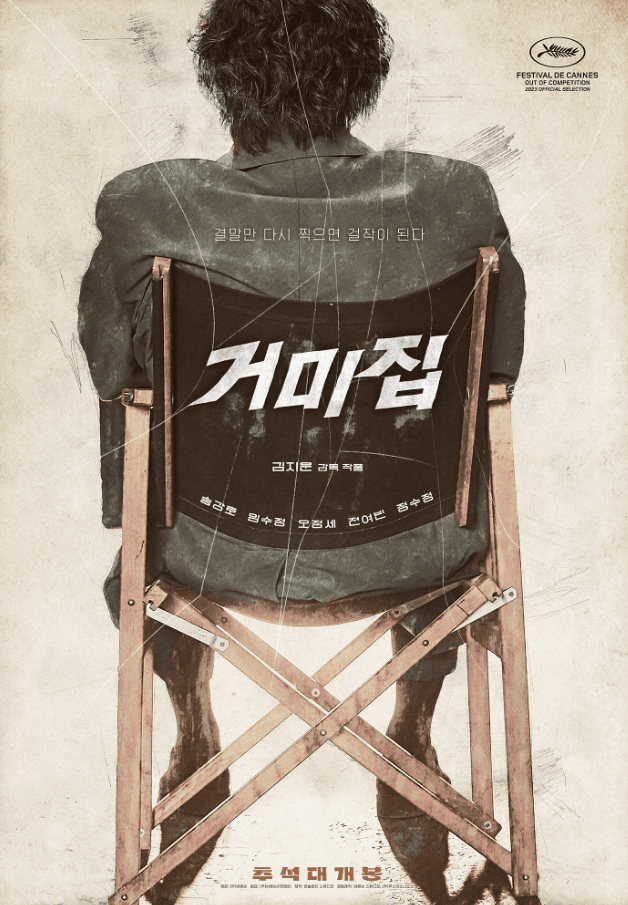
Chungmuro: The Heart of Korean Cinema Mastery
Introduction: The Soul of South Korean Storytelling
In the global landscape of cinematic excellence, certain names act as shorthand for entire cultural movements. Hollywood represents the dream factory of the West; Cannes acts as the altar of high art. But in South Korea, the heart of storytelling beats in a district called Chungmuro. For over seven decades, Chungmuro Korean cinema has been more than just a street in Seoul—it has been the crucible where a nation’s trauma, resilience, and creative genius were melted down and recast into celluloid.
When Bong Joon-ho’s Parasite made history at the Academy Awards, it wasn’t a sudden explosion of talent. It was the final, inevitable eruption of a volcano that had been simmering in the back alleys of Seoul since the 1950s. To understand why modern audiences are obsessed with K-content, we must explore the historical evolution, the directorial intent, and the unique cultural DNA of Chungmuro Korean cinema.
1. The Geographical and Cultural Identity of Chungmuro Korean Cinema
The Hub of the “Three Kinds of Ink”
Historically, Chungmuro was known for three distinct industries: printing, pets, and pictures. While it might seem like an odd mix, these industries shared a common thread—they were fast-paced, urban, and deeply connected to the needs of a growing metropolis.
In the wake of the Korean War (1950-1953), filmmakers flocked to this area. It wasn’t because the street was glamorous; it was because it was functional. The area was home to the nation’s primary film processing labs, camera rental houses, and distributors. If you wanted to make a movie, you didn’t go to a corporate boardroom; you went to a tea room (Dabang) in Chungmuro, where directors and writers sat for hours, sketching out scripts on napkins. This “street-level” origin is what gave Chungmuro Korean cinema its characteristic grit and honesty.
The “Chungmuro Star” System vs. Modern Idols
Unlike the polished “Idol” system of modern K-Pop, the Chungmuro system was built on raw talent. Actors like Choi Min-sik, Song Kang-ho, and Moon So-ri are often referred to as “Chungmuro Actors.” This title implies a specific pedigree—it suggests an artist who mastered their craft in the harsh, realistic environment of independent film and theater, rather than a practice room.
2. Historical Eras of Chungmuro Korean Cinema Success
The Golden Age (1950s–1960s): Healing Through the Screen
After the war, Korea was a land of ruins. However, this period saw an incredible surge in domestic production. Influenced by Italian Neorealism, directors focused on the struggle of the common man.
- The Masterpiece: The Housemaid (1960) by Kim Ki-young. This film introduced a uniquely Korean “femme fatale” and explored class anxiety—themes that remain central to Chungmuro Korean cinema today.
The Dark Years: Subtext and Censorship in Chungmuro Korean Cinema
The 1970s and 80s were marked by military authoritarianism. Strict censorship meant films could not openly criticize the government. However, this forced filmmakers to become masters of subtext. If they couldn’t speak the truth directly, they used visual metaphors and silence to convey political rage. This “art of what is unsaid” is a cornerstone of the Chungmuro Korean cinema aesthetic.
The Renaissance: Global Expansion of Chungmuro Korean Cinema
With the end of military rule, a new breed of filmmakers emerged. They were educated, socially conscious, and technically skilled. The turning point came with Shiri (1999), which proved that local films could compete with Hollywood blockbusters. Soon after, Park Chan-wook’s Oldboy (2003) shocked the world at Cannes, signaling that Chungmuro Korean cinema had arrived on the global stage.
3. The Directorial Philosophy Behind Chungmuro Korean Cinema
I. Genre-Bending and Emotional Fluidity
A hallmark of directors like Bong Joon-ho is the refusal to stay in one genre. In a single film, you might experience slapstick comedy, gut-wrenching drama, and intense horror. This unpredictability keeps the audience in a state of constant engagement, mirroring the volatile nature of real life in modern Korea.
II. The Aesthetic of Discomfort in Chungmuro Korean Cinema
While Hollywood often aims for “Escapism,” Chungmuro Korean cinema aims for “Confrontation.” Whether it is the gruesome revenge in I Saw the Devil or the social humiliation in Burning, Korean directors want you to sit with your discomfort. They trust that the audience is intelligent enough to handle moral ambiguity.
III. Visual Architecture as Social Critique
In many Korean films, the setting is as important as the actors. Notice the verticality in Parasite—the climb from the semi-basement to the mansion. This is a visual representation of the class structure, a recurring motif in the history of Chungmuro Korean cinema.
4. The Emotional Engine: “Han” and “Jeong”
To truly appreciate the power of these stories, one must understand two untranslatable Korean concepts:
- Han : The Sorrow of the SoulHan is a uniquely Korean emotion. It is a mixture of deep sorrow, resentment, and a sense of injustice that cannot be easily resolved. In film, when you see a character scream or cry with an intensity that seems “over the top” to Western audiences, you are witnessing the release of Han.
- Jeong : The Invisible BondIf Han is the sorrow that separates us, Jeong is the bond that connects us. It provides the warmth that balances out the darkness of the plot. These emotions provide the “high-stakes” energy that makes Chungmuro Korean cinema so addictive.
5. Comparison Table: Hollywood vs. Chungmuro Korean Cinema
| Feature | Hollywood | Chungmuro Korean Cinema |
| Primary Goal | Entertainment & Escapism | Emotional Honesty & Social Reflection |
| Hero Type | The Exceptional Individual | The Flawed Common Person |
| Conflict Resolution | Moral Clarity (Good vs. Evil) | Moral Ambiguity (Gray Areas) |
| Ending Style | Resolution & Catharsis | Lingering Questions & Reflection |
| Visual Style | Polished & Symmetrical | Gritty, Raw, and Atmospheric |
6. Technical Mastery in Chungmuro Korean Cinema Production
Visual Language: Cinematography and Lighting
The global success of Chungmuro Korean cinema is not only due to its scripts but also its groundbreaking visual language. Unlike the flat, bright lighting often seen in television dramas, these films utilize “Chiaroscuro”—the dramatic contrast between light and dark.
- Emotional Shadows: Shadows are used to represent a character’s internal conflict. In Park Chan-wook’s films, the color palette is often highly saturated and symbolic, using greens and purples to create an unsettling, dreamlike atmosphere.
- The “One-Take” Mastery: The technical teams in Chungmuro Korean cinema are famous for their ability to execute complex, long-take action sequences. This technique immerses the audience in the scene, making the violence feel personal and inescapable.
7. The Tragedy Aesthetics: Why We Embrace the Dark Side
Western audiences often ask why so many masterpieces end in tragedy. To understand this, one must look at the historical trauma of the 20th century—colonization, war, and rapid industrialization.
In the world of Chungmuro Korean cinema, a “happy ending” can sometimes feel dishonest. The audience respects a director who is brave enough to show that life is difficult. This “Aesthetics of Sadness” provides a communal space for catharsis. By witnessing a character’s Han on screen, the audience feels their own burdens are recognized.
8. Economic Evolution: From Local Alleys to Netflix Platforms
The transition from physical film reels in the 1990s to global streaming algorithms in the 2020s has changed the face of the industry. However, the core identity of Chungmuro Korean cinema remains intact.
Streaming giants like Netflix have invested billions into South Korea because they recognize that the “Chungmuro Style”—high-concept stories with deep emotional stakes—is what modern viewers crave. Whether it is a zombie apocalypse or a survival game, the DNA of Chungmuro Korean cinema is evident in every frame.
9. Case Studies: Masterpieces of Chungmuro Korean Cinema
A. Oldboy (2003): The Dark Odyssey
Park Chan-wook’s masterpiece redefined the thriller. It showed that a “revenge” story could be a Greek tragedy in disguise. Its famous “hallway fight” scene has been imitated by directors worldwide, proving the technical influence of Chungmuro Korean cinema.
B. Spring, Summer, Fall, Winter… and Spring (2003)
This film proved that Korean cinema could be incredibly quiet and spiritual. Using the changing seasons to explain the cycle of human life, it remains a gold standard for international art-house cinema.
C. Parasite (2019): The Ultimate Culmination of Chungmuro Korean Cinema
Parasite was the result of everything the industry had learned over 70 years. It combined social critique with masterclass suspense, finally breaking the “one-inch barrier” of subtitles for American audiences.
The Architecture of Tension: Why Chungmuro Korean Cinema Rejects the “Airy” Look
As a creator who values minimalist aesthetics, I find the visual language of Chungmuro Korean cinema to be a fascinating study in “Quiet Intensity.” While Hollywood often pursues a polished, “Airy” look with bright, high-key lighting, Chungmuro has historically embraced a “Transparent Sophistication” that reveals the grit and shadows of reality.
In the early 2000s, cinematographers like Chung Chung-hoon (who worked closely with Park Chan-wook) redefined the Chungmuro Korean cinema aesthetic by using saturated colors and deep, expressionistic shadows. This wasn’t just for style; it was a psychological tool. By manipulating light and dark (Chiaroscuro), directors could externalize the internal “Han” of their characters. This “Visceral Realism” is why these films feel so much more “alive” and “heavy” than their Western counterparts. When you watch a Chungmuro masterpiece, the dust in the air and the dampness of the walls are as much a part of the story as the actors themselves.
[Image: The high-contrast, moody cinematography typical of Park Chan-wook’s films]
The “Jeong” of the Crew: The Communal Production Spirit
To understand the success of Chungmuro Korean cinema, one must understand the unique “Production Jeong.” Unlike the rigid, unionized structures of Western studios, the traditional Chungmuro system functioned like a large, often dysfunctional, family.
- The “Dabang” Culture: In the 70s and 80s, scripts weren’t developed in corporate offices but in smoky tea rooms (Dabangs) in the heart of Chungmuro. This allowed for a raw, collaborative energy where the director, writer, and cinematographer lived and breathed the story together.
- The Legacy of Mentorship: Many of today’s masters, like Bong Joon-ho and Park Chan-wook, grew up watching the masters of the 1960s. This “Invisible Thread” of mentorship has preserved the high-stakes emotional energy that makes Chungmuro Korean cinema so addictive to global audiences today.
The Minimalism of Violence: Action as Emotional Release
In Chungmuro Korean cinema, violence is rarely “cool” or stylized for the sake of entertainment. Instead, it is a “Minimalist Release” of decades of suppressed “Han.”
- The Single Take: The famous hallway fight in Oldboy is the ultimate example. By using a long, side-scrolling single take, the film strips away the artifice of action choreography. We see the protagonist get tired, we see him bleed, and we see his exhaustion.
- Emotional Stakes: The violence in Chungmuro Korean cinema is always tied to a profound personal loss or a social injustice. This ensures that the audience feels the weight of every blow. It is this “Emotional Honesty” that separates Korean action from the spectacle-heavy blockbusters of other nations.
The Digital Renaissance: Chungmuro in the Era of AI and 2026
As we navigate the landscape of 2026, many wonder if the physical spirit of Chungmuro Korean cinema can survive the shift to global streaming platforms.
- The “Glocal” Strategy: Streaming giants are not just investing in Korea for the sets; they are buying the “Chungmuro DNA.” This is the ability to tell a hyper-local story with universal emotional resonance.
- Aesthetic Preservation: Even as production moves to high-tech virtual studios in the suburbs of Seoul, the “Chungmuro Style”—the focus on flawed common people and moral ambiguity—remains the primary “Operating System” of K-content.
The Philosopher-Director: Why Directorial Intent is Sovereign
In Chungmuro Korean cinema, the director is not just a manager; they are a philosopher with a camera.
- Social Mirrors: Whether it is a period drama or a modern thriller, the director’s intent is always to hold a mirror to society. They ask uncomfortable questions about class, power, and human nature.
- Breathtaking Mastery: This commitment to “Intellectual and Emotional Depth” is why Chungmuro Korean cinema has achieved global sovereignty. It offers a “Slower Tempo” of reflection in a world that often prioritizes speed and convenience.
The Enduring Pulse of Chungmuro
Ultimately, Chungmuro Korean cinema teaches us that the most powerful stories are those that refuse to be simplified. It is a cinema of “Repetition and Variation,” where the same themes of “Han” and “Jeong” are recast for every new generation. As we sit in theaters or stream these works at home, we are not just spectators; we are witnesses to a 70-year legacy of artistic resilience. The street of Chungmuro may have changed, but its heart—the symbolic heart of film—beats stronger than ever before.
10. Conclusion: The Legacy of Chungmuro Korean Cinema Lives On
Today, the physical street of Chungmuro is no longer the center of production. Studios have moved to the suburbs, and giant conglomerates dominate the financing. However, the Chungmuro Korean cinema spirit—the belief that a film should be a mirror to society—remains.
It teaches us that stories don’t have to be loud to be powerful. They just have to be true. As long as there are stories that refuse to be simplified, this legacy will continue to dominate the silver screen.
FAQ: Navigating Chungmuro Korean Cinema
Q1: Why is Chungmuro called the “Hollywood of Korea”?
A: It was the birthplace of the domestic film industry, housing all major production facilities during the 20th century.
Q2: Is the term still used for modern films?
A: Culturally, yes. While the industry is now decentralized, the term “Chungmuro” is still used to describe the prestige film industry as opposed to television.
Related Articles
- 10 Best Korean Movies – Must-watch masterpieces of Korean cinema.
- Parasite Review – Hidden symbols and social commentary explained
- 90s Korean Movie Culture – The creative revolution that started Hallyu
- The Unique Storytelling Style of Korean Films: – 5 narrative techniques that define Korean cinema
- The 6 Amazing Reasons Why Korean Cinema Is Better Than Hollywood
For more detailed information on these classics, you can visit the Korean Movie Database (KMDb)