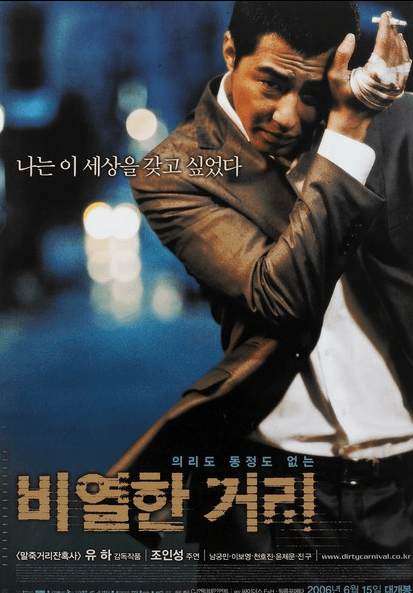
Why Korean Action Movies Are Taking Over the World
When we talk about modern action cinema, names like John Wick or Marvel often dominate the conversation. However, in recent years, a new powerhouse has emerged: Korean Action Cinema. From the visceral hallways of Oldboy to the tactical brilliance of The Villainess, Korean films have carved out a unique niche. But this global success didn’t happen overnight. The evolution of Korean Action Movies tells a story of grit, political change, and an obsession with “realism” that sets it apart from Hollywood’s CGI-heavy spectacles
The Raw Energy of 1980s Korean Action Movies
Before the 1990s, low budgets and strict censorship often limited Korean action movies. Most action films focused on “urban noir” or “street fights” where the choreography was unrefined but incredibly raw.
- The Stuntman’s Spirit: In this era, professional stunt coordination was in its infancy. Actors and stuntmen often performed dangerous feats without the safety nets we see today.
- The “Kitsch” Action: Many films imitated Hong Kong cinema, yet they carried a uniquely Korean emotional weight, often focusing on themes of betrayal and brotherhood among small-time gangsters.
Shiri: The Blockbuster Era of Korean Action Movies
The year 1999 changed everything. Director Kang Je-gyu released Shiri, a film that surpassed Hollywood box office records in Korea
- Hollywood Scale, Korean Soul: Shiri introduced tactical gunfights and high-stakes espionage—elements that Koreans had previously only seen in American films.
- Technological Leap: The Korean industry began employing professional special effects and large-scale pyrotechnics at a high level for the first time. This movie proved that K-Action could reach “Blockbuster” status, leading to a massive influx of investment into the film industry.
The 2000s: The Aesthetic of Violence and “Real” Action
As the millennium turned, Korean directors began to move away from mere imitation. They started focusing on “Hyper-Realism.”
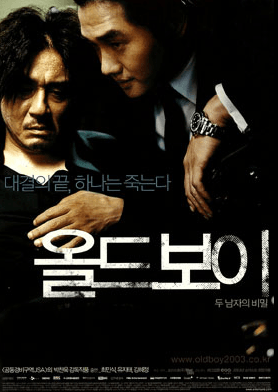
- Oldboy (2003) & the Corridor Scene: Director Park Chan-wook’s Oldboy introduced the world to the “long-take” action sequence. This wasn’t a hero flying through the air; it was a man tired, bleeding, and fighting with a hammer. This “exhausted action” became a signature of Korean cinema.
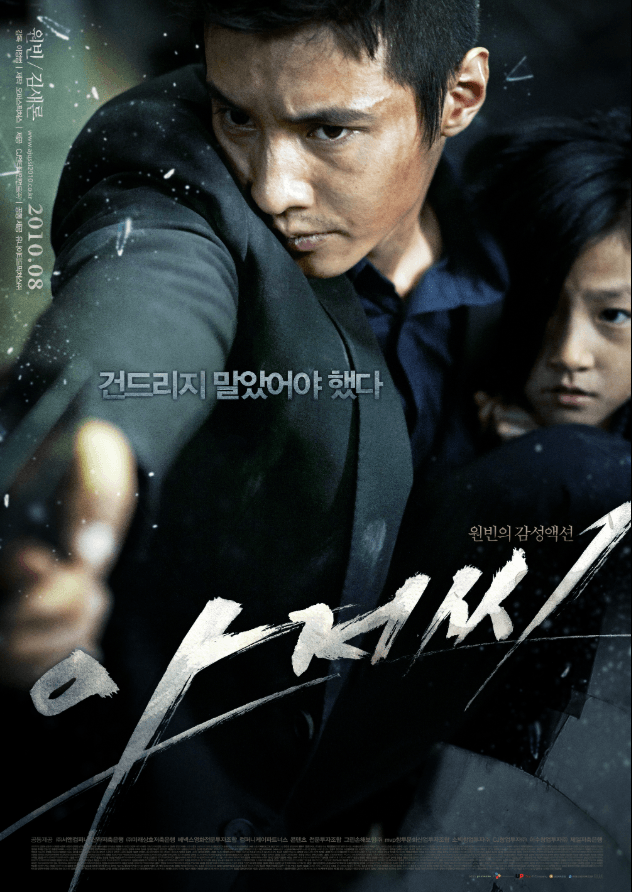
- The Man from Nowhere (2010): This film refined the “K-Action” style by introducing Silat and Kali-inspired knife fighting, executed with breathtaking speed and cold precision. It proved that K-Action could be both artistic and incredibly stylish.
The Global Success of Modern Korean Action Movies
Today, the evolution of Korean action movies has reached a point where Hollywood is now taking notes.
- The Roundup Series: Ma Dong-seok (Don Lee) has created a new sub-genre: “The One-Punch Action.” It’s satisfying, humorous, and deeply rooted in Korean police-procedural tropes.
- The Villainess (2017): The opening first-person POV sequence was so innovative that it famously inspired the motorcycle chase in John Wick: Chapter 3.
- K-Dramas and Action: On platforms like Netflix, series like My Name and Bloodhounds continue to push the boundaries, blending deep emotional trauma with high-quality fight choreography.
The Architecture of Survival: Political Shifts and Action Aesthetics
To understand the evolution of Korean action movies, we must analyze the “Architecture of Survival.” During the late 20th century, political transitions deeply influenced the film industry. Directors moved away from government-sanctioned stories to embrace a “Sobering Realism.” They utilized “Visual Innovation” to portray the struggles of the common man.
He rejects the “Polished Spectacle” of a fake, idealized world. Instead, the evolution of Korean action movies captures the “Visual Friction” of a society in flux. This approach ensures that every fight scene reflects a larger social conflict. He reminds the audience that physical violence often stems from systemic injustice. His storytelling establishes a healing path through the “Unpolished Truth” of resistance. He remains a social mirror for a generation that fought for its own voice.
Technical Sovereignty: Stunts in Korean Action Movies
The “Technical Sovereignty” of Korean action movies shines brightest in its rejection of excessive CGI. In an era of digital perfection, Korean creators chose “Tactile Precision.” They prove that “Visual Innovation” is about the “Micro-Realism” of a real stuntman’s leap. This “Visual Honesty” creates a level of immersion that a computer cannot replicate.
He ensures that the audience feels the actual impact of every fall. In the evolution of Korean action movies, the human body becomes the primary “Powerful Tool” for storytelling. This “Visual Innovation” turns a simple rooftop chase into a breathtaking odyssey of physical limits. It smells like exhaust fumes and the scent of cold concrete. By centering his life on “Visual Honesty,” the action director turned a genre film into a site of artistic integrity. He maps the “Vertical Narrative” of a high-stakes escape with a steady, fearless hand.
The Auditory Minimalism of a Heavy Breath: The Sound of Endurance
Why does the audio in Korean action movies feel so intimate? It is because the director utilized “Auditory Minimalism” to capture the “Heartbeat of Endurance.” In a world of loud, orchestral scores, he returned to the “Auditory Honesty” of a gasping breath. This creates a “Communal Resonance” between the protagonist’s fatigue and the viewer’s empathy.
This approach allows the genre to spark a global social dialogue about the limits of human strength. He provided a “Safe Space” for the audience to experience the “Unpolished Truth” of a physical struggle. This “Humanistic Lens” proves that a healing narrative begins with the courage to show exhaustion. His legacy is a vibrant life dedicated to the dignity of the physical worker. He is the bridge between the “Analog Grit” of the past and the “Digital Precision” of today.
The Humanistic Lens of Korean Action Movies
Ultimately, the evolution of Korean action movies is a masterpiece about the “Scent of Humanity.” It smells like “Rain-soaked Asphalt” and the “Metallic Scent of Blood.” He treats every bruise as a badge of honor for a character fighting against the odds. This “Tactile Precision” is why global critics now hail Korean cinema as a “Global Standard” for action.
He transformed the “Architecture of the Brawl” into a site of profound “Sincere Atonement” for the underdog. This commitment to “Visual and Auditory Innovation” defines the true roots of the genre’s success. He remains a bridge between the “Fleeting Nature” of an action sequence and the “Eternal Nature” of a classic. His legacy is a vibrant life dedicated to the quietest, most powerful moments of connection through conflict. He proves that true power comes from the courage to bleed for a cause.
The Unpolished Truth of the Contemporary Action Wave
In the final analysis, we see the “Unpolished Truth” of the contemporary wave. The evolution of Korean action movies proves that “Fearless Storytelling” requires no massive budget. It requires a deep understanding of human emotion and movement. He utilizes “Tactile Precision” to show that a single, well-choreographed fight can tell a thousand stories.
He rejects the “Polished Spectacle” of a commercial product. Instead, he embraces the “Visual Friction” of a beautiful, painful reality. This creates a lingering echo that stays with the audience long after the screen goes black. He remains our most reliable compass for navigating the “Architecture of the Future.” He proves that even in a world of machines, the scent of a soul is what makes a movie truly move the world.
Psychology of Action Spaces
To understand the evolution of Korean action movies, we must analyze the “Architecture of Tension.” Korean directors often choose confined, claustrophobic spaces for their climax. These narrow hallways and dark elevators are not accidental. They utilized “Visual Innovation” to amplify the character’s internal pressure.
He rejects the “Polished Spectacle” of a wide-open, CG-built arena. Instead, the evolution of Korean action movies embraces the “Visual Friction” of a crowded subway. This “Humanistic Lens” ensures that every movement feels like a “Sincere Atonement” for past failures. He reminds the audience that our environment shapes our struggles. His storytelling establishes a healing path through the “Unpolished Truth” of a trapped hero. He remains a social mirror for the urban isolation we all feel.
The Technical Sovereignty of the “Micro-Movement”: The Soul of Choreography
The “Technical Sovereignty” of modern action is found in “Micro-Movement.” This mastery is a “Visual Innovation” of subtle gestures and “Tactile Precision.” In a high-stakes duel, a simple deep breath becomes a “Powerful Tool” for suspense. He proves that “Visual Honesty” is about the “Micro-Realism” of a trembling hand.
He ensures that the audience’s focus stays on the “Quiet Intensity” of the moment. In the evolution of Korean action movies, choreography is a form of silent dialogue. This “Visual Innovation” turns a violent encounter into a breathtaking odyssey of human emotion. It smells like old dust and the scent of adrenaline. By centering his life on “Visual Honesty,” the action master turned a fight into a site of communal understanding. He maps the “Vertical Narrative” of a character’s growth with a steady, respectful lens.
The Auditory Minimalism of a Distant Echo: The Sound of Solitude
Why does the sound design in a Korean thriller feel so haunting? It is because the director utilized “Auditory Minimalism” to capture the “Heartbeat of Solitude.” In a world of loud, generic soundtracks, he returned to the “Auditory Honesty” of a distant echo. This creates a “Communal Resonance” between the screen and the viewer’s own heart.
This approach allows the genre to spark a global social dialogue about what it means to be alone. He provided a “Safe Space” for the audience to experience the “Unpolished Truth” of silence. This “Humanistic Lens” proves that a healing narrative begins with the courage to be still. His legacy is a vibrant life dedicated to the dignity of the quietest sounds. He is the bridge between the “Analog Soundscapes” of the past and the “Digital Clarity” of today.
The Scent of Humanity in the Meticulous Detail: The Artistic Standard
Ultimately, the evolution of Korean action movies is a masterpiece about the “Scent of Humanity.” It smells like “Metallic Rain” and the “Scent of an Empty Theater.” He treats every detail, from a broken glass to a torn sleeve, as a flawed common person worthy of respect. This “Tactile Precision” is why global audiences now demand a higher “Artistic Standard.”
He transformed the “Architecture of the Image” into a site of profound “Sincere Atonement” for the audience. This commitment to “Visual and Auditory Innovation” defines the true heart of cinematic success. He remains a bridge between the “Fleeting Nature” of a blockbuster and the “Eternal Nature” of a classic. His legacy is a vibrant life dedicated to the quietest, most powerful moments of human connection through art. He proves that true power comes from the courage to be incredibly detailed.
The Unpolished Truth of the Global Action Legacy
In the final analysis, we see the “Unpolished Truth” of a global legacy. The evolution of Korean action movies proves that “Fearless Storytelling” is a universal language. It requires a deep respect for the audience’s intelligence and empathy. He utilizes “Tactile Precision” to show that a story about a single struggle can unite the world.
He rejects the “Polished Spectacle” of a fake world. Instead, he embraces the “Visual Friction” of our beautiful, complex reality. This creates a lingering echo that stays with the readers long after the article ends. He remains our most reliable compass for navigating the “Architecture of the Future.” He proves that even in a world of technology, the scent of a soul is what makes a story truly timeless.
Beyond Technical Mastery
To conclude our journey through the evolution of Korean action movies, we must analyze the “Architecture of Artistic Sovereignty.” In the 2020s, directors utilized “Visual Innovation” to declare their independence from traditional tropes. They prove that “Technical Sovereignty” is about the courage to follow a “Sobering Realism” that is deeply human.
He rejects the “Polished Spectacle” of a commercial machine. Instead, the evolution of Korean action movies embraces the “Visual Friction” of a raw, emotional identity. This “Humanistic Lens” ensures that every stunt becomes a “Safe Space” for original thought. He reminds the audience that “Artistic Freedom” is the most powerful tool for change. His storytelling establishes a healing path through the “Unpolished Truth” of a nation’s creative soul. He remains a social mirror for the birth of a global phenomenon.
The Human Spirit: The Future Wave
The “Technical Sovereignty” of the future is built on the “Human Spirit.” This mastery is a “Visual Innovation” of relentless perfection and “Tactile Precision.” In every masterpiece of the evolution of Korean action movies, the “Auditory Minimalism” of a single heartbeat creates a “Communal Resonance.”
He proves that “Visual Honesty” is about the “Quiet Intensity” of a creator’s belief. This approach allows the evolution of Korean action movies to act as a reliable compass for all future storytellers. He ensures that his “Intellectual Sovereignty” is always rooted in the “Scent of Humanity.” By centering his life on “Visual Innovation,” he turned the “Architecture of Action” into a site of global respect. He maps the “Vertical Narrative” of our dreams with a steady, artistic hand. This is the vibrant life of an era that will never fade.
What Makes K-Action Special?
At its core, Korean Action Movies are never just about the physical fight. This genre focuses on the deep-seated motivations and the complex bonds behind every strike. The evolution of Korean action movies shows a masterful transition from simple brawls to sophisticated storytelling through movement.
The Visual Innovation of Emotional Conflict
Directors utilize “Visual Innovation” to turn a punch into a narrative turning point. They prove that “Tactile Precision” in choreography can express more than dialogue alone. This unique DNA creates a level of intensity that stays with the audience long after the movie ends. Whether you are a casual viewer or a die-hard cinephile, the world of K-Action offers an unparalleled experience.
The journey of Korean Action Movies shows no signs of slowing down. New directors continue to push the boundaries of stunts and “Technical Sovereignty.” They transform the “Architecture of the Stunt” into a site of global artistic respect. This “Visual Honesty” ensures that the future of the genre remains bright and powerful.
Related Articles
- 10 Best Korean Movies – Must-watch masterpieces of Korean cinema.
- Parasite Review – Hidden symbols and social commentary explained
- 90s Korean Movie Culture – The creative revolution that started Hallyu
- The Unique Storytelling Style of Korean Films: – 5 narrative techniques that define Korean cinema
For complete archival details, visit the Korean Movie Database (KMDb).