Korean Cinema vs Hollywood is a topic that fascinates many as South Korea has emerged as a global cultural leader over the past two decades. While Hollywood often relies on big budgets and predictable formulas, Korean films offer something different: emotional depth and sharp social critique. Today, Korean cinema is no longer just a regional trend; it is a powerful alternative to Western storytelling.
But why exactly does Korean cinema fascinate the world more than Hollywood spectacle? The answer lies in its unique history, director intent, and the profound emotional resonance known as “Han.”
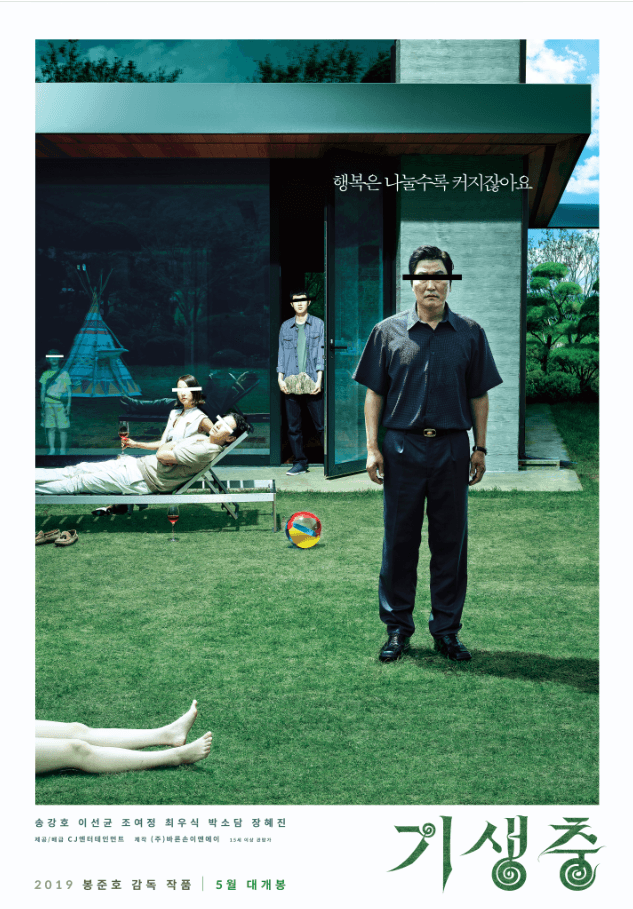

Source: Korean Movie Database (KMDb)
1. Historical Context: From Censorship to Creative Renaissance
When discussing Korean Cinema vs Hollywood, understanding the historical background of Korean filmmaking is essential.
The Era of Transformation (1990s–2000s)
Historically, Korean cinema struggled under strict government censorship for decades. However, the late 1990s marked a turning point known as the “Korean Cinematic Renaissance.” After gaining creative freedom, filmmakers began to explore raw, real-world issues.
The Impact of the 1997 Financial Crisis
Specifically, the 1997 Asian Financial Crisis deeply affected the national psyche. Consequently, films began reflecting economic inequality and societal anxiety.
- Shiri (1999): Korea’s first big-budget action thriller that proved local films could rival Hollywood.
- Friend (2001): A masterpiece of emotional realism that captured the struggles of urban youth.


Source: Korean Movie Database (KMDb)
2. Korean Cinema vs Hollywood: Key Differences
To understand Korean Cinema vs Hollywood, we must compare how these two industries approach storytelling.
| Feature | Korean Cinema | Hollywood |
|---|---|---|
| Storytelling Style | Multi-layered, Genre-blending | Linear, Formula-driven |
| Characters | Morally ambiguous, flawed | Often idealized, heroic |
| Core Themes | Social critique, “Han” (Sorrow) | Entertainment, clear resolution |
| Production Focus | Creative resourcefulness | Massive budgets, heavy CGI |
The Architecture of Tension: Why Korean Cinema Rejects the “Airy” Hollywood Look
In the ongoing debate of Korean Cinema vs Hollywood, the most immediate difference is visual. Hollywood often aims for a polished, “Airy” aesthetic—symmetrical framing, high-key lighting, and seamless CGI. However, Korean cinema embraces a “Transparent Sophistication” that prioritizes “Tactile Honesty.”
- Minimalist Brutalism: As a creator who values minimalist aesthetics, I find the use of “Negative Space” in Korean films like Burning or Parasite to be a powerful narrative tool. Directors use wide, empty frames to emphasize the “Quiet Intensity” of human isolation. This is a sharp contrast to Hollywood, which often fills every inch of the frame with spectacle.
- The “Dirty” Realism: While Hollywood frequently sanitizes its sets, Korean Cinema vs Hollywood reveals that Korean directors lean into the “Ugly Truths.” The dampness of a semi-basement or the grime of a rainy alleyway isn’t just a setting; it’s a character. This “Visual Friction” makes the emotional stakes feel earned rather than manufactured.
The Mastery of “Emotional Fluidity” in Korean Narratives
A core reason why Korean Cinema vs Hollywood is a hot topic is “Genre-Fluidity.” Hollywood traditionally relies on strict formulas. A comedy usually stays a comedy. A thriller remains a thriller. This ensures “predictability” for global markets. However, Korean films offer a radical alternative. They treat genre boundaries as flexible tools rather than fixed rules.
The “Tone-Shift” Mastery and Visual Friction
Korean directors like Bong Joon-ho treat genres like a “Trojan Horse.” A film might start as a slapstick comedy. Yet, it can end as a soul-crushing tragedy. This unpredictable emotional rhythm keeps audiences engaged. It offers a fresh experience compared to formulaic Hollywood blockbusters.
Korean films are also famous for “Emotional Juxtaposition.” They often place humor in the middle of extreme violence or sorrow. This creates a “Visual Friction.” It reflects the true complexity of human life. This technique creates a “Quiet Intensity” that moves beyond simple entertainment. It becomes a visceral, life-like experience for the viewer.
The Frequency of Collective Resonance: Beyond Individualism
To master the Korean Cinema vs Hollywood dynamic, we must look deeper. One must understand the “Hidden Emotional Architecture” of Korean storytelling. This replaces Hollywood’s focus on the solo hero. Instead, it offers a deeper, shared human experience.
While Hollywood celebrates the “Exceptional Individual,” Korean cinema focuses on the “Flawed Common Person.” These characters are bound by an “Unspoken Kinship.” Whether it is a family in a monster movie or soldiers at a border, the focus is on these invisible ties. This reflects the Communal Empathy defined earlier. It bridges the gap between local Korean textures and global hearts.
The Echo of Unresolved Melancholy (The Alternative to Catharsis) Hollywood scripts often prioritize “Resolution and Catharsis.” In these films, the conflict ends clearly. The good guy wins, and the audience leaves feeling satisfied. In contrast, many Korean masterpieces embrace an “Aesthetics of Lingering Sorrow.” These stories often end with unanswered questions or a deep, resilient grief. This “Sobering Realism” provides a communal space for reflection. It offers a level of emotional honesty that a traditional “Happy Ending” simply cannot provide.
The Power of Unspoken Kinship (The Collective vs. The Hero) While Hollywood emphasizes the “Exceptional Individual,” Korean cinema centers on the “Flawed Common Person.” These characters are bound together by an “Invisible Emotional Thread.” Whether it is a struggling family in a monster movie The Host or soldiers facing each other across a border (JSA), the focus is on these deep, unspoken ties. This is a clear expression of Communal Empathy. It bridges the gap between local Korean life and global audiences through shared vulnerability.
The “Glocally” Strategy: Why “Specific” is the New “Universal”
Hollywood has long followed a “Global-First” strategy, often stripping away local cultural nuances to appeal to everyone. Korean Cinema vs Hollywood shows that Korean filmmakers did the opposite.
- Hyper-Local Authenticity: By focusing deeply on the specific social anxieties of Korea—such as the wealth gap, the education system, or the North-South division—they created stories that are so honest they became universal.
- Breaking the “One-Inch Barrier”: As Bong Joon-ho famously said, once you overcome the barrier of subtitles, you are introduced to so many more amazing films. The success of Korean Cinema vs Hollywood proves that audiences today are hungry for “Breathtaking Mastery” and “Intellectual Depth” over formulaic spectacle.
Technical Sovereignty: From Copying to Leading
Historically, Korean filmmakers studied Hollywood techniques to survive. But today, the technical mastery of Korean Cinema vs Hollywood has flipped.
- Visual Innovation: The “One-Take” action sequence in Oldboy (2003) influenced an entire generation of Hollywood directors.
- Auditory Minimalism: While Hollywood often relies on heavy orchestral scores to tell you how to feel, Korean cinema masterfully uses “Silence and Environmental Sound” to create a sense of “Airy yet Heavy” realism. This focus on “Auditory Honesty” is a key reason why international critics celebrate Korean films
3. Director’s Intent: Challenging the Hollywood Convention
Genre-Bending as a Powerful Tool
Korean directors intentionally challenge conventions. Unlike Hollywood filmmakers who often prioritize global “predictability,” Korean creators use genre-bending to deliver uncomfortable truths.
- Oldboy (2003): Director Park Chan-wook intended to explore the dark psychological depths of revenge and guilt. Check Oldboy on KMDb
- Parasite (2019): Director Bong Joon-ho used dark satire to expose the widening wealth gap between classes. Check Parasite on KMDb
The “Invisible Thread”: Beyond Hollywood’s Individualism
In the ongoing analysis of Korean Cinema vs Hollywood, we must examine the “Unit of Storytelling.” Hollywood is traditionally built on the “Hero’s Journey”—the exceptional individual who overcomes obstacles to achieve a solo victory. This caters to a Western ideal of self-reliance.
However, Korean cinema operates on a frequency of “Unspoken Kinship.” * The Strength of the Flawed Group: Instead of a flawless hero, Korean stories often feature a group of struggling, ordinary people bound by a deep, inexplicable loyalty. In The Host or Extreme Job, the focus isn’t on a single savior but on the “Communal Empathy” that keeps the group together.
- Minimalist Connection: At ShopGongi, we value the “beauty of quiet things.” Similarly, Korean directors use “Emotional Undercurrents” instead of loud declarations of love. A shared bowl of rice or a silent nod between rivals conveys a “Transparent Sophistication” that feels more authentic than Hollywood’s dramatic speeches.
The “Unresolved Echo”: Rejecting the Hollywood Moral Compass
Another defining factor in Korean Cinema vs Hollywood is the “End of the Moral Compass.” Hollywood scripts often demand “Resolution and Catharsis.” The bad guy is caught, the mystery is solved, and the world returns to peace. This provides a clean, “Airy” satisfaction for the audience.
Korean cinema, however, embraces the “Sobering Realism” of the “Gray Zone.”
- The Weight of Melancholy: Many Korean masterpieces end with a “Lingering Injustice”—a deep sense of sorrow that cannot be easily fixed. This reflects a “Historical Resonance” that values the truth over a “Happy Ending.”
- Visual Friction: Directors use “Cinematic Shadows” to represent this internal conflict. By refusing to provide a neat conclusion, they respect the audience’s intelligence. This “Breathtaking Mastery” of emotional ambiguity is why global audiences seeking intellectual and emotional depth are increasingly turning away from formulaic Hollywood blockbusters.
The “Tactile Honesty” of Social Struggle
Finally, the difference in Korean Cinema vs Hollywood lies in how they portray “The Struggle.” While Hollywood often treats poverty or conflict as a “Spectacle” or a “Plot Device,” Korean storytelling treats it with “Tactile Honesty.”
- The Geography of the Marginalized: The physical space—the damp walls of a semi-basement or the cold fluorescent lights of an office—is used to tell the story. This “Architectural Storytelling” creates a “Quiet Intensity” that anchors the film in reality.
- Universal Humanism: By focusing on the specific “Social Anxieties” of Korea, these films achieve a universal truth. They prove that when a story is “Hyper-Local,” it becomes “Universally Human,” bridging the gap between East and West more effectively than any big-budget Hollywood export.
4. Global Response to Korean Cinema vs Hollywood
Why Global Audiences Relate to Korean Stories
International viewers are increasingly seeking authentic, thought-provoking narratives. Because everyone experiences personal struggle and social inequality, the “culturally specific” stories of Korea feel “universally human.”
Unprecedented Critical Acclaim
The global response has been record-breaking. From Parasite winning the Academy Award for Best Picture to Oldboy earning the Cannes Grand Prix, the world has officially recognized Korean cinema as a pillar of modern art.
The Luxury of Silence: Why Korean Cinema Rejects Hollywood’s “Fill-the-Void” Approach
In the ongoing dialogue of Korean Cinema vs Hollywood, the most striking difference isn’t the plot, but the “Audio-Visual Breathing.” Hollywood, driven by the pressure of high-octane engagement, often fears silence. Every second is filled with orchestral swells, snappy quips, or atmospheric sound effects. This “Fill-the-Void” philosophy ensures the audience is never bored, but it often sacrifices intellectual and emotional depth.
Korean directors, however, have mastered the art of “Quiet Intensity.”
- The Power of the Static Frame: As a creator who values minimalist aesthetics, I find the long, unmoving shots in films like Burning or Decision to Leave to be a form of “Transparent Sophistication.” Instead of cutting away, the camera stays. It waits. It forces the viewer to sit with the character’s discomfort.
- The “Airy yet Heavy” Soundscape: While Hollywood uses sound to tell you how to feel, Korean cinema uses it to show you where you are. The distant hum of a refrigerator or the wet sound of a character eating in a cramped apartment creates a “Tactile Honesty” that big-budget CGI cannot replicate. This “Visual and Auditory Friction” is a hallmark of the Korean Cinema vs Hollywood experience.
Verticality and Social Maps: Space as a Silent Character
If Hollywood is a “Lateral Cinema”—focused on the journey, the road trip, and the expansion—then Korean Cinema vs Hollywood reveals that Korean cinema is a “Vertical Cinema.”
- The Staircase as Destiny: From the 1960 original The Housemaid to Bong Joon-ho’s Parasite, the staircase is a recurring motif. It maps the physical and social movement of the characters. In Hollywood, a house is a set; in Korea, the house is a visual trap.
- The Aesthetic of the Cramped: Korean storytelling excels in “Cramped Realism.” The semi-basement or the tiny rooftop room (Oktap-bang) are not just settings for poverty. They are structural reminders of the characters’ limitations. This “Breathtaking Mastery” of using physical space to critique social systems is why global audiences find Korean stories more grounded and “Universally Human” than Hollywood’s idealized suburbs.
The “Unresolved Odyssey”: Rejecting the Hollywood Moral Compass
One of the most profound reasons Korean Cinema vs Hollywood favors Korean films for serious cinephiles is the “End of the Moral Compass.”
- The Gray Zone: Hollywood traditionally relies on a “Good vs. Evil” binary to ensure a satisfying “Resolution and Catharsis.” We leave the theater feeling that the world has been fixed.
- The Lingering Question: Korean cinema often ends in the “Gray Zone.” The bad guy might not be caught, or the hero might lose their soul in the process of winning. This refusal to provide a “Happy Ending” is not a lack of narrative skill; it is a directorial intent to respect the audience’s intelligence. It mirrors the complex, often unfair nature of modern life, creating a “Sobering Realism” that lingers long after the credits roll.
5. Korean Cinema vs Hollywood: Why Global Audiences Prefer Korean Films
One of the most important reasons Korean films are gaining global popularity is their powerful emotional storytelling. Unlike many Hollywood blockbusters that focus primarily on spectacle, Korean movies emphasize the human experience—family conflict, social pressure, and personal sacrifice. These themes resonate deeply with audiences around the world.
Another key factor is the universality of Korean stories. While the settings may be culturally specific, the emotions portrayed in Korean cinema are universal. Themes such as inequality, ambition, betrayal, and redemption are understood by viewers regardless of language or nationality. This universal appeal allows Korean films to connect with global audiences on a deeply personal level.
Character depth also plays a major role. In many Korean films, protagonists are not perfect heroes but flawed individuals struggling with difficult choices. This complexity makes characters feel more realistic and relatable than the often idealized figures seen in Hollywood productions.
Finally, realism is a defining strength of Korean cinema. Directors frequently portray everyday life with honesty and intensity, highlighting social issues such as class division, generational conflict, and economic hardship. Because of this realism, viewers often feel that Korean films reflect genuine human struggles rather than simply providing escapist entertainment.
Together, these elements explain why Korean cinema continues to captivate audiences worldwide and why its influence is expanding far beyond Asia.
6. Historical Influence and the Future of Hallyu
Bridging East and West
The innovative narratives of Korea have inspired a new generation of global filmmakers to adopt darker, more complex storytelling. Today, we see this influence in everything from Netflix series to international indie films.
Boosting Global Cultural Interest
Ultimately, the success of Korean films has boosted interest in all things Korean—from food to language. As long as Korean creators continue to prioritize emotional authenticity over formulaic spectacle, their influence will only grow.
A New Era of Global Cinema
In conclusion, the battle of Korean Cinema vs Hollywood isn’t just about box office numbers; it’s about the power of storytelling. By balancing traditional values with futuristic innovation, South Korea has created a cinematic legacy that inspires the entire world.
Related Articles
- 10 Best Korean Movies – Must-watch masterpieces of Korean cinema.
- Parasite Review – Hidden symbols and social commentary explained
- 90s Korean Movie Culture – The creative revolution that started Hallyu
- The Unique Storytelling Style of Korean Films: – 5 narrative techniques that define Korean cinema
For more detailed information on these classics, you can visit the Korean Movie Database (KMDb)
or check out the Korean Film Council (KOFIC) official website.