Introduction: The Narrative Essence of Korean Films
In the modern global cinematic landscape, Korean films have emerged as a profound and unstoppable force, redefining how we experience the art of visual storytelling. These productions captivate audiences with a unique and visceral style that often challenges the polished, sometimes predictable, norms of Hollywood. From the dark, revenge-filled intensity of Park Chan-wook to the sharp, Oscar-winning social satire of Bong Joon-ho, this cinematic journey offers a sensory and intellectual experience. The narrative lingers in your mind, like the heavy scent of rain on hot asphalt, long after the credits roll.
What makes these stories so fascinating to the world? While summarizing an entire national industry remains difficult, the core of Korean storytelling revolves around a specific, high-stakes collision. Individual lives frequently clash with massive, crushing systemic pressures. Whether a struggling family infiltrates a wealthy household or a man faces fifteen years of unexplained imprisonment, these narratives focus on survival, dignity, and the moral gray areas of human nature. This guide explores the amazing secrets behind this global phenomenon, providing a tribute to the era that birthed Hallyu and taught us that the storytelling power of the peninsula is truly world-class.
1. Historical Foundations: The Resilience of Creative Expression
The Era of Freedom and 90s Artistic Growth
To understand the power of modern cinema, we must travel back to the scars of the late 1990s. For much of the 20th century, strict government oversight and heavy-handed censorship hindered filmmakers in the peninsula. Imagine having a story to tell, but being told which words you cannot use or which truths are “too dangerous” for the public. Fortunately, the late 1990s marked a true “Cinematic Renaissance.” Following democratization, a new door opened for artistic expression. Directors finally gained the freedom to explore taboo subjects—political corruption, the psychological scars of the Korean War, and the dark underbelly of rapid modernization.
The “386 Generation” found its voice during this period, using the camera as a tool for national healing and social interrogation. This newfound liberty explains why the narratives from this era feel so raw, urgent, and uncompromisingly honest. These creators weren’t just making movies; they were reclaiming a stolen history and speaking for those who had been silenced for decades. This period established the DNA of modern storytelling, prioritizing truth over comfort.
How the 1997 Financial Crisis Shaped Korean Films
Historically, the 1997 Asian Financial Crisis—often called the “IMF Crisis”—deeply wounded the national psyche. Unlike many cultures that might prefer light escapism during hard times, creators in Seoul leaned directly into the pain. They reflected economic inequality, societal anxiety, and personal trauma on the big screen with brutal honesty. The fear of losing one’s home or social status became a recurring nightmare in their scripts.
Vulnerability became a universal language for a generation of filmmakers. This commitment to “uncomfortable truths” laid the groundwork for the world-class realism we see in modern Korean films today. When a character on screen loses everything, it represents more than a plot point; it evokes a shared memory of a nation that stared into the abyss and survived. This historical weight gives every frame a sense of gravity that superficial blockbusters often lack.
Case Study: Peppermint Candy (1999) and Historical Trauma
Directed by the legendary Lee Chang-dong, Peppermint Candy feels like a long, painful sigh. This masterpiece portrays decades of societal change through a non-linear lens, examining one man’s life in reverse. We start with his tragic suicide and move back toward his days of innocence before the world broke him. The story serves as a haunting reminder of how historical events, such as the Gwangju Uprising, can crush the individual spirit.
Raw honesty earned the production overwhelming critical acclaim. Audiences stood motionless as the protagonist cried, “I want to go back!”, a phrase that eventually became a symbolic mantra for an entire generation struggling with their past. The success of such Korean films proved that international audiences hungered for stories that dared to be melancholic, reflective, and unapologetically real. It signaled to the world that Korea was ready to tell its most painful stories with unparalleled grace.
2. The Emotional Core: Understanding the Concept of ‘Han’
Defining the Multilayered Emotion of Han in Korean Films
One cannot truly grasp the depth of this storytelling without understanding the cultural concept of “Han” (한). While observers often translate it as “resentment” or “sorrow,” Han represents a much more complex, multi-layered emotion. A collective feeling of grief and injustice sits deep within the soul, transforming over time into a resilient, bittersweet strength. It burns like a quiet fire in the heart of the marginalized.
In many Korean films, Han acts as the engine that drives the protagonist forward against impossible odds. Rather than focusing solely on victimhood, these stories emphasize the dignity maintained through suffering. This unique emotional frequency allows narratives to bypass the intellect and strike directly at the heart of the global viewer, creating a connection that transcends language barriers. It is the silent scream that resonates in the dark.
The Deeper Meaning of Persistence and Moral Complexity
From a cultural perspective, Han highlights the “unresolved” nature of suffering. In Western cinema, revenge often provides a cathartic release and total closure—the “bad guy” falls, and the hero rides into the sunset. Contrastingly, local filmmakers frequently portray vengeance as a futile cycle that only deepens one’s pain rather than extinguishing it.
Global audiences find this philosophical approach refreshing and deeply moving. It suggests that true healing only begins when we acknowledge the shared weight of our collective sorrow, a theme that resonates across all successful Korean films. This cinema of consequence reminds us that every scar tells a story and every choice carries a price. It challenges the viewer to move beyond simple satisfaction and toward profound empathy.
Case Study: Oldboy (2003) – A Dark Milestone of Cinema
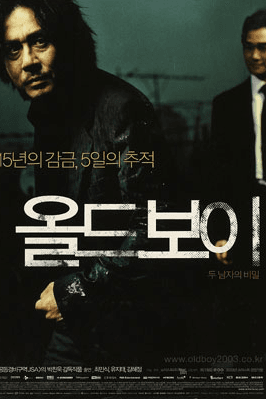
In Park Chan-wook’s Oldboy, the protagonist’s quest for retribution fails to bring peace. Instead, the journey culminates in a devastating realization of his own tragedy. The film shocked the world at the Cannes Film Festival, winning the Grand Prix and earning high praise from Quentin Tarantino.
Critics celebrated its “Symphonic Violence” and emotional depth, marking a turning point where Korean films officially gained recognition as global art. The script suggested that the “villain” and the “victim” are often two sides of the same coin, forced into conflict by a cruel and indifferent world. By moving beyond binary morality, these stories explore the complex gray areas of the human condition with unmatched intensity. It remains a definitive example of how “Han” can be transformed into a visceral cinematic language.
3. Mastering Genre-Mixing: The Bong Joon-ho Effect
Breaking Boundaries: The Fluidity of Genre in Korean Films
Perhaps the most distinct technical achievement of the industry involves the mastery of genre-fluidity. Conventional Hollywood films often stick to one lane: a comedy stays a comedy, and a thriller remains a thriller. Korean directors, however, see no such boundaries. They believe life itself represents a mixture of genres. On any given day, an individual might experience both a joke and a tragedy.
Such unpredictability shapes the structure of their screenplays, which transition seamlessly between tones. Laughing one minute and gasping in fear the next—this is exactly why global audiences find the style of Korean films so addictive. It feels more like real life, where the tone can shift in a heartbeat, and the “hero” can appear both funny and pathetic simultaneously. It creates a dynamic viewing experience where the audience never feels entirely safe in their assumptions.
The Parasite (2019) Revolution and Technical Mastery
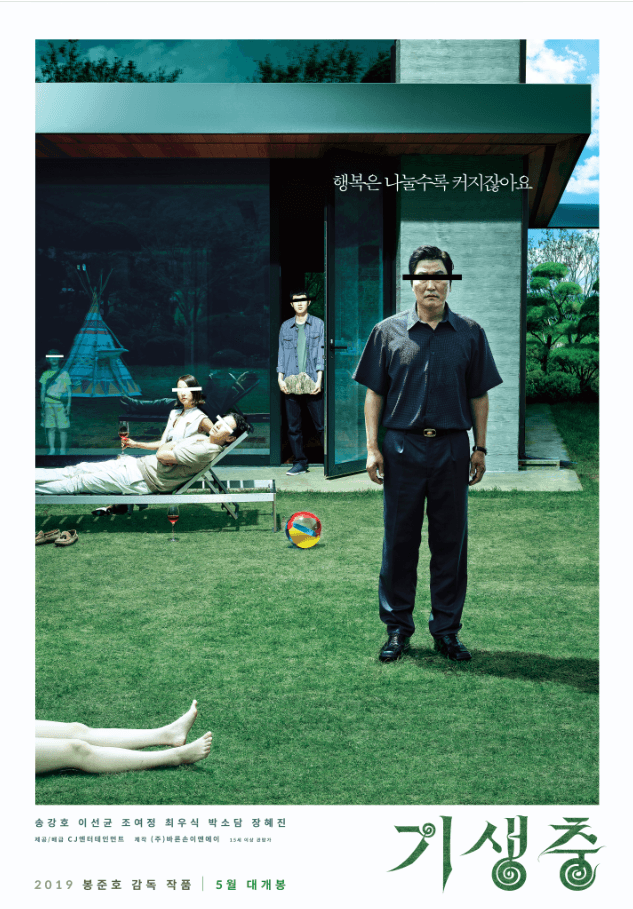
Director Bong Joon-ho’s Academy Award-winning Parasite stands as the ultimate benchmark for this technique. Within 132 minutes, the audience experiences slapstick comedy, a tense heist thriller, heartbreaking tragedy, and visceral horror. This serves as more than just entertainment; it is a narrative strategy designed to highlight the absurdity of modern capitalism.
Bong uses shifting genres to mirror the instability of class structures. The sudden shift from humor to violence represents the precarious nature of the social ladder. This technical masterpiece redefined the potential of Korean films on the global stage, winning four Oscars including Best Picture. It proved that a story about a specific basement in Seoul could represent the universal struggle of the 21st century. The world finally realized that “subtitles” are a small price to pay for such immense brilliance.
4. Social Commentary: Entertainment with a Conscience
Class Warfare and Systemic Critique in Korean Films
These productions are rarely “just movies.” Directors intentionally use high-stakes entertainment to expose systemic issues. Projects like Parasite and Snowpiercer analyze the rigid lines of social hierarchy with surgical precision. They use sensory metaphors—like the “smell” of a basement—to illustrate the divide between the rich and the poor.
These narratives resonate globally because the struggle for economic dignity is a universal human experience. Beyond merely showing poverty, they examine the psychological toll that classism takes on the human soul within the framework of Korean films. They ask the audience: “If you were in their shoes, would you act differently?” This level of self-reflection is what transforms a viewer into a fan.
Institutional Corruption as a Recurring Theme
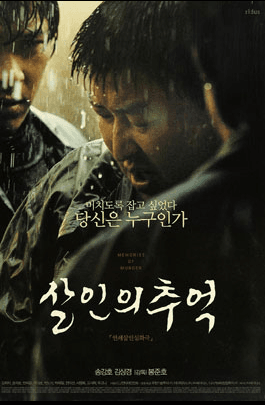
Many successful thrillers explore the apathy or incompetence of authority figures. Masterpieces like The Wailing or Memories of Murder reflect a historical distrust born from decades of authoritarian rule. In these stories, the police often appear flawed, lazy, or hindered by bureaucracy, forcing ordinary citizens to take matters into their own hands.
This “Citizen-Protagonist” trope adds a layer of grit and realism that makes Korean films stand out from the polished, often formulaic, productions of other industries. It taps into a global sentiment of frustration with institutions that fail to protect the people they serve. It validates the anger of the common person while exploring the heavy cost of vigilante justice.
5. Unique Narrative Techniques: Why the World is Hooked
Non-linear Plots and Reality in Korean Films
Technical choices in the industry appear daring and often experimental. Many scripts use non-linear plots, folding the story back on itself. By utilizing flashbacks and unreliable narrators, directors effectively challenge the viewer’s perception of reality.
Audiences are not just passive observers; they become active participants trying to piece together the truth. This intellectual engagement defines high-quality Korean films that demand multiple viewings. Creators treat the audience with respect, assuming the viewer possesses the intelligence to follow complex, non-linear puzzles. This respect for the audience’s intellect is a key differentiator in the global market.
Ambiguous Characters: The Beauty of Moral Gray Areas
In masterpieces like The Handmaiden, no clear-cut heroes exist. Instead, every character follows their own agenda, driven by trauma and personal justifications. Everyone plays the villain in someone else’s story, making the character arcs feel authentic and unpredictable.
Moral ambiguity forces the audience to question their own ethics, creating a much deeper connection to the material. This mirrors the messy reality of life rather than the sanitized versions often seen in mainstream blockbusters, a trait cherished by fans of Korean films. It reminds us that humanity rarely exists in black and white, but in a million shades of gray. This honesty is what makes the characters feel like people we know—or people we are.
Conclusion: The Future of Audacious Storytelling
Ultimately, the unique style found in Korean films fascinates the world because it remains both daringly experimental and deeply human. It refuses to give easy answers or “happy ever after” endings. Instead, it invites the audience to sit with the complexity, the Han, and the satire.
Ultimately, the unique style found in Korean films fascinates the world because it remains both daringly experimental and deeply human. It refuses to give easy answers or “happy ever after” endings.
Instead, it invites the audience to sit with the complexity, the Han, and the satire. As we look forward, the commitment to authentic, genre-defying storytelling remains the gold standard. It inspires creators and audiences everywhere to embrace stories that are honest, messy, and uncompromisingly bold.
The art of this cinema is not just about making movies; it is about exploring the very limits of what it means to be human in a complicated world. These melodies and images follow you home, quietly reminding you of who you are and who you might still become. The world is watching, and the peninsula is still speaking.
Related Articles
- 10 Best Korean Movies – A curated list of the most iconic Korean films that shaped modern cinema.
- 90s Korean Movie Culture – Explore the golden age of 90s Korean films and their cultural impact.
- Parasite Review – In-depth analysis of Bong Joon-ho’s masterpiece and its global influence
For more detailed information on these classics, you can visit the Korean Movie Database (KMDb)
or check out the Korean Film Council (KOFIC) official website.