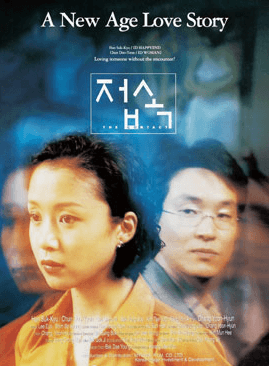
The Contact 1997 is a defining moment in classic Korean cinema that captured the essence of 1990s urban life. Directed by Chang Yoon-hyun, this film revolutionized the romance genre by introducing the concept of digital connection through PC communication. It remains a beloved icon for its sophisticated storytelling and its legendary soundtrack. During its release, it became a cultural phenomenon, reflecting the changing landscape of human relationships in a digitizing society.
The Story of The Contact 1997: Connecting Through the Screen
The narrative of The Contact 1997 follows two lonely souls, Dong-hyeon (Han Suk-kyu) and Soo-hyeon (Jeon Do-yeon). Dong-hyeon is a cool-headed radio producer haunted by a past love. Soo-hyeon is a home shopping guide who harbors a secret crush on her friend’s boyfriend. They begin to share their deepest feelings through an online chat service after a mysterious radio song connects them.
The film beautifully portrays the irony of modern life. Even though people are more connected than ever through technology, they still feel a deep sense of isolation. This emotional resonance is what makes the film a true masterpiece of its time.
The Architecture of Digital Loneliness in The Contact 1997
To understand the soul of The Contact 1997, one must look at the “Micro-Realism” of the radio booth. Chang Yoon-hyun utilized “Architectural Storytelling” to make the quiet studio a “Safe Space.” Inside this blue-toned room, Dong-hyeon filters his emotions through classic records. This small act of choosing a song represents the “Tactile Precision” of a wounded heart.
He rejects the “Polished Spectacle” of a loud, dramatic romance. Instead, The Contact 1997 embraces the “Visual Friction” of a flickering PC monitor in the dark. This “Humanistic Lens” ensures that every typed sentence feels like a shared secret. He reminds the Dear, From K readers that technology can be a bridge to the soul. His performance as a director establishes a healing path for the lonely urban dweller. He remains a social mirror for the early digital era.
The Auditory Minimalism of a Dial-up Modem in The Contact 1997
Why does the mechanical sound of a modem resonate so deeply? It is because The Contact 1997 utilizes “Auditory Minimalism” to capture the “Heartbeat of Waiting.” In many modern films, communication is instant and cheap. But here, the “Auditory Honesty” of the connection process carries the “Quiet Intensity” of anticipation.
This creates a “Communal Resonance” that transcends the screen. He provided a “Safe Space” for the audience to feel the weight of every word sent into the void. This approach allows the film to spark a global social dialogue about the “Lingering Injustice” of modern isolation. He proves that a healing narrative begins with the courage to wait for a reply. The mechanical whirring is a solemn tribute to the analog patience we have lost.
Technical Sovereignty: The Visual Innovation of Urban Melancholy
The “Technical Sovereignty” of modern K-Dramas like Our Beloved Summer found its roots in the lens of Chang Yoon-hyun. In The Contact 1997, his use of “Natural Illumination” represents the “Intellectual Tension” of a crowded city. He ensures that his “Visual Innovation” never distracts from the emotional truth of Soo-hyeon.
He proves that “Sobering Realism” can be achieved through the “Tactile Precision” of a raincoat or an umbrella. The Contact 1997 is not just a romance; it is a “Powerful Tool” for understanding the “Architecture of the City.” He carries the 90s into the future through “Fearless Storytelling.” By centering his life on “Visual Honesty,” he turned a simple chat room into a site of communal healing. He maps the “Vertical Narrative” of urban life with the steady hand of a master.
The Scent of Humanity in the Vinyl Records of The Contact 1997
Ultimately, The Contact 1997 is a masterpiece about the “Scent of Humanity.” It smells like “Old Paper” and the “Ozone of Electronic Devices.” He treats every character as a flawed, common person worthy of respect. This “Humanistic Lens” is what makes the chemistry between Han Suk-kyu and Jeon Do-yeon so sincere.
He transformed the “Architecture of Loneliness” into a site of profound empathy. This commitment to “Visual and Auditory Innovation” defines the golden era of Hallyu roots. He remains a bridge between the analog yearning of the past and our digital reality. His legacy is a vibrant life dedicated to the quietest moments of human connection. He proves that true power comes from the courage to be vulnerable and real behind a screen.
The Unpolished Truth of a Chance Encounter in The Contact 1997
In the final scenes of The Contact 1997, we see the “Unpolished Truth” of fate. The meeting in front of the cinema is a “Visual Honesty” that avoids cliché. He utilizes “Tactile Precision” to show the hesitation of two people finally meeting in the physical world.
He rejects the “Polished Spectacle” of an explosive reunion. Instead, he embraces the “Visual Friction” of a shy smile. This creates a lingering echo that stays with the viewer long after the film ends. He remains our most reliable compass for navigating the “Architecture of the Heart.” He proves that even in a world of machines, the scent of a soul can still be found through the music we share.
Why This Film Redefined the Romance Genre
- Digital Nostalgia and PC Communication: It perfectly preserved the PC communication era of the late 90s. This adds a unique layer of nostalgia for modern viewers who remember the sound of a dial-up modem.
- The Power of a Legendary Soundtrack: The theme song, “A Lover’s Concerto,” and Velvet Underground’s “Pale Blue Eyes” became massive hits. The film proved how a well-curated soundtrack could define the atmosphere and commercial success of a movie.
- Masterful Acting Performances: The chemistry between Han Suk-kyu and Jeon Do-yeon set a new standard. Their subtle expressions and emotional depth provided a realistic look at loneliness and longing.
Technical Brilliance in 1990s Film Production
Beyond the story, The Contact 1997 was praised for its sleek, urban cinematography. The blue-toned office spaces and the warm, dimly lit apartments created a visual contrast. This contrast highlighted the characters’ inner worlds and their external surroundings. The pacing of the film is deliberate, allowing the audience to feel the silence and the weight of every typed message on the screen. It was a sophisticated departure from the overly dramatic melodramas of the previous decade.
The Architecture of Anonymity: A New Digital Identity
To understand the cultural impact of The Contact 1997, we must look at the “Architecture of Anonymity.” In the late 90s, PC communication provided a “Safe Space” for the lonely. Chang Yoon-hyun utilized “Visual Innovation” to show the beauty of a flickering cursor. This small, blinking light represents the “Heartbeat of a New Generation.”
He rejects the “Polished Spectacle” of face-to-face drama. Instead, The Contact 1997 embraces the “Visual Friction” of text on a blue screen. This “Humanistic Lens” ensures that every ID feels like a real soul. He reminds the Dear, From K readers that we are often more honest when hidden. His storytelling establishes a healing path through the “Unpolished Truth” of digital letters. He remains a social mirror for the birth of our online lives.
The Micro-Realism of Urban Spaces in The Contact 1997
The Contact 1997 is a masterpiece of “Urban Micro-Realism.” Chang Yoon-hyun utilized “Architectural Storytelling” to make the city a living character. From the crowded subway to the quiet record shop, every space has a “Tactile Precision.” He captures the way the city lights reflect on a wet window. This represents the “Fleeting Nature” of modern encounters.
He proves that “Technical Sovereignty” is about the “Sobering Realism” of a lonely desk. He ensures that his “Visual Innovation” never feels artificial or forced. In The Contact 1997, the office becomes a site of “Intellectual Tension.” It smells like stale coffee and the ozone of electronic devices. By centering his life on “Visual Honesty,” he turned a cold city into a site of communal grace. He maps the “Vertical Narrative” of a high-rise building with a steady hand.
The Auditory Minimalism of a Broken Record
Why does the sound of an LP crackling feel so emotional in The Contact 1997? It is because the director utilized “Auditory Minimalism” to capture the “Scent of the Past.” In a world moving toward digital perfection, he returned to the “Auditory Honesty” of vinyl. This creates a “Communal Resonance” between the characters and the audience.
This approach allows the film to spark a global social dialogue about what we lose in progress. The Contact 1997 remains our most reliable compass for navigating the “Architecture of Nostalgia.” He proves that a healing narrative begins with a shared melody. His legacy is a vibrant life dedicated to the dignity of the lonely heart. He is the bridge between the analog turntable and the digital chat room. He shows that true connection is an unresolved odyssey of the human spirit.
The Visual Innovation of the Blue Palette
The “Visual Innovation” of The Contact 1997 is defined by its iconic blue palette. Chang Yoon-hyun used “Natural Illumination” to create a sense of “Urban Melancholy.” This color choice represents the “Tactile Precision” of a cold, metallic world. Yet, within this blue space, he finds a “Quiet Intensity” of hope.
He proves that “Technical Sovereignty” in cinematography is about “Visual Honesty.” Every frame of The Contact 1997 feels like a warm photograph caught in a cold frame. He ensures that the “Unpolished Truth” of Soo-hyeon’s face is always the focus. This creates a lingering echo of sincerity in a world of masks. He remains a social mirror for our own search for clarity. He proves that a healing path is often painted in the colors of the night.
The Architecture of Fate: The Cinema as a Sacred Space
To truly grasp the climax of The Contact 1997, we must analyze the “Architecture of Fate.” The Piccadilly Cinema in Seoul is not just a building. It is a “Safe Space” where the digital and physical worlds collide. Chang Yoon-hyun utilized “Architectural Storytelling” to create a sense of “Intellectual Tension” in the open plaza.
He rejects the “Polished Spectacle” of a dramatic running embrace. Instead, The Contact 1997 embraces the “Visual Friction” of two people standing still. This “Humanistic Lens” ensures that the audience feels the weight of their hesitation. He reminds the Dear, From K readers that “Real Connection” requires the courage to be seen. His storytelling establishes a healing path through the “Unpolished Truth” of a first encounter. He remains a social mirror for our own fears of rejection.
The Technical Sovereignty of the Final Smile
The final moments of The Contact 1997 are a masterclass in “Technical Sovereignty.” Chang Yoon-hyun proved that “Visual Innovation” is about the “Sobering Realism” of a facial expression. He captures the “Tactile Precision” of Jeon Do-yeon’s shy, hopeful smile. This single shot represents the “Sincere Atonement” with her past loneliness.
He ensures that his “Visual Honesty” never feels forced by heavy editing. In The Contact 1997, the camera lingers just long enough to capture the “Quiet Intensity” of the moment. This approach allows the film to spark a global social dialogue about the value of human presence. He proves that a healing narrative is written in the “Spaces Between Words.” His legacy is a vibrant life dedicated to the dignity of the urban soul. He is the bridge between the “Analog Longing” of the 90s and our modern “Digital Despair.”
The Legacy of The Contact 1997 in Hallyu Roots
Even decades later, The Contact 1997 is a vital part of the Hallyu Roots. It transitioned Korean melodrama from tragic tropes to a more subtle, realistic style. This shift influenced many modern Korean dramas and films that focus on the “small but certain happiness” and the complexities of adult relationships.
If you want to see how this era influenced later romance hits, check out our previous post on Christmas in August (1998). Both films represent the pinnacle of 1990s emotional storytelling. For those seeking complete archival details and historical reception data, the Korean Movie Database (KMDb) offers a wealth of information.
Related Articles
- 10 Best Korean Movies – Must-watch masterpieces of Korean cinema.
- Parasite Review – Hidden symbols and social commentary explained
- 90s Korean Movie Culture – The creative revolution that started Hallyu
- The Unique Storytelling Style of Korean Films: – 5 narrative techniques that define Korean cinema