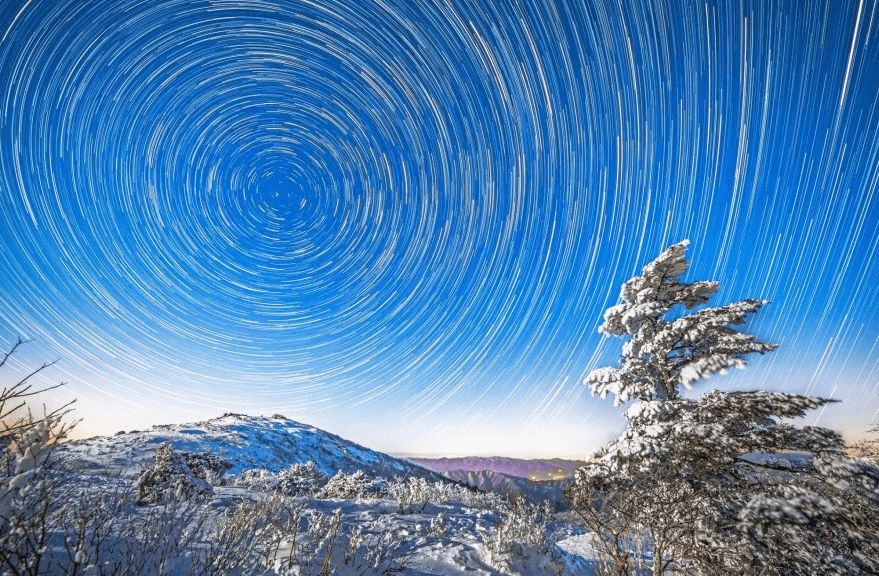
Exploring the most iconic 10 K-Drama Locations has become a dream journey for fans around the world seeking to experience the magic of Hallyu firsthand. Over the past two decades, the global rise of Korean television dramas has transformed South Korea into a living cinematic landscape. In this guide, we dive deep into the most famous 10 K-Drama Locations in Korea, from dramatic coastlines to historic neighborhoods, offering you an invitation to explore the real places behind your favorite stories.
For many global fans, these 10 K-Drama Locations are more than just entertainment sets; they are an invitation to explore the real places behind the stories. From dramatic coastlines to historic neighborhoods in Seoul, many K-Drama filming locations have become cultural landmarks. Visiting these places allows fans to step into the world of their favorite dramas while discovering the beauty of Korea itself.
10 K-Drama Locations – Part 1: From Coastlines to Skyscrapers
To help you plan your perfect Hallyu pilgrimage, let’s dive into the details of these 10 K-Drama Locations that have captured the hearts of millions.
1. Jumunjin Breakwater, Gangneung – Goblin (2016)
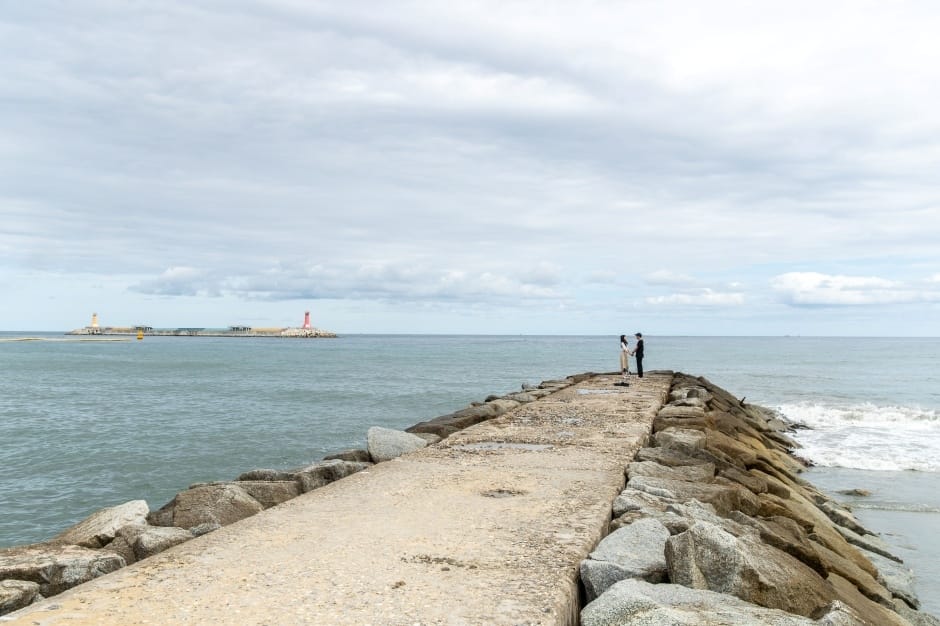
Few scenes in modern K-drama history are as visually unforgettable as the moment when Ji Eun-tak summons the immortal goblin by the ocean. The striking symmetry of the breakwater and the raw power of the East Sea created a perfect backdrop for the drama’s themes of destiny, eternity, and the emotional distance between humans and supernatural beings.
Drama Details: Guardian: The Lonely and Great God (Goblin)
Location: Jumunjin Breakwater
The Korean Perspective: Jumunjin Breakwater became internationally famous after appearing in Goblin. Before its cinematic fame, it was a quiet spot for local fishermen. The choice of this location by the director reflects a keen eye for a specific kind of natural minimalism that resonates deeply in Korean aesthetic tradition—where a singular, man-made line provides structure to the vast, chaotic beauty of nature.
Expert Insight (Minimalist Aesthetics): As a creator focused on minimalist aesthetics, I find the Jumunjin Breakwater incredibly compelling. The power of this location lies in its “negative space.” The grey concrete barrier provides a stark, symmetrical line that seems to stretch into the infinite blue of the ocean. This creates a sense of profound emptiness and possibility that mirrors the emotional arc of the drama.
How to Get There: From Seoul, take the KTX train to Gangneung Station (approx. 2 hours). From there, catch a local bus (No. 300 or 301) to Jumunjin Breakwater.
Travel Companion: Explore Jumunjin Port After taking your photos, walk 10 minutes to the nearby Jumunjin Port. It’s famous for its bustling seafood market. Try the local specialty, “Seafood Jjambbong” (spicy noodle soup), at a small, family-owned restaurant.
2. N Seoul Tower – My Love from the Star (2013)
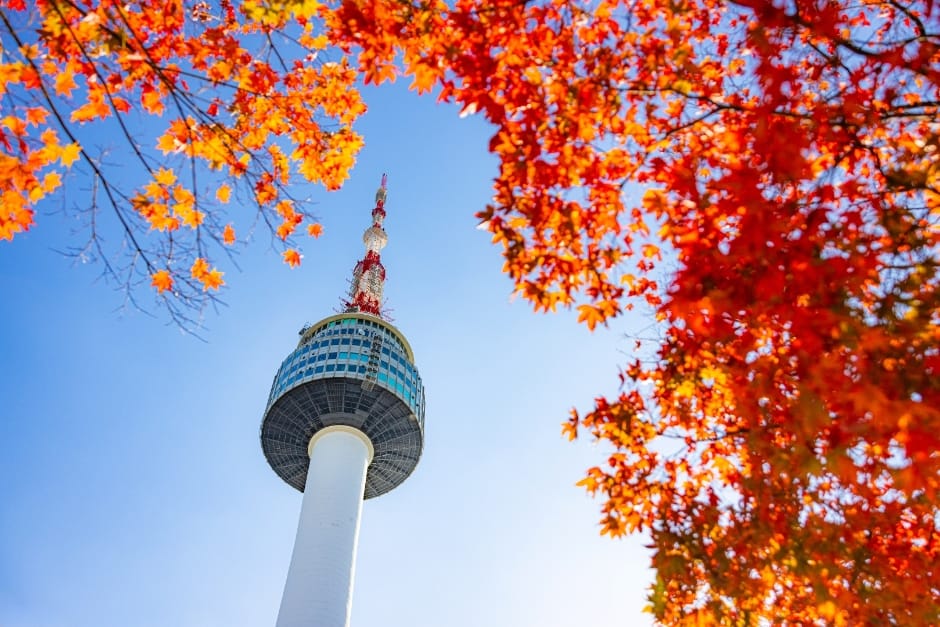
As one of the most recognizable 10 K-Drama locations, N Seoul Tower is a popular destination for couples and Hallyu fans alike. This is where Do Min-joon and Cheon Song-yi sealed their fate with a promise, creating one of the drama’s most memorable romantic climaxes.
Drama Details: My Love from the Star
Location:N Seoul Tower
The Korean Perspective: Situated on Namsan Mountain, the tower represents romance in modern Seoul. Couples often attach “love locks” to symbolize eternal relationships, making it a living monument to human connection.
Expert Insight (Visual Metaphor): The towering structure of N Seoul Tower serves as a powerful visual metaphor. Its height suggests an aspiration for something eternal and unshakeable—a perfect reflection of a love that transcends space and time, as depicted in the drama. The transition of light from sunset to evening city lights offers a beautiful contrast between the “airy and transparent” quality of the Namsan pine forest and the “quiet intensity” of the metropolitan sprawl.
How to Get There: Take the Seoul Subway Line 4 to Myeongdong Station. Walk to the Namsan Cable Car, or take the yellow shuttle bus No. 02 or 04 from near the station.
Travel Companion: Namsan Mountain Trail Instead of taking the cable car back down, walk the scenic trails of Namsan Mountain. The path is particularly beautiful in autumn when the maple leaves are vibrant.
3. Itaewon Streets – Itaewon Class (2020)
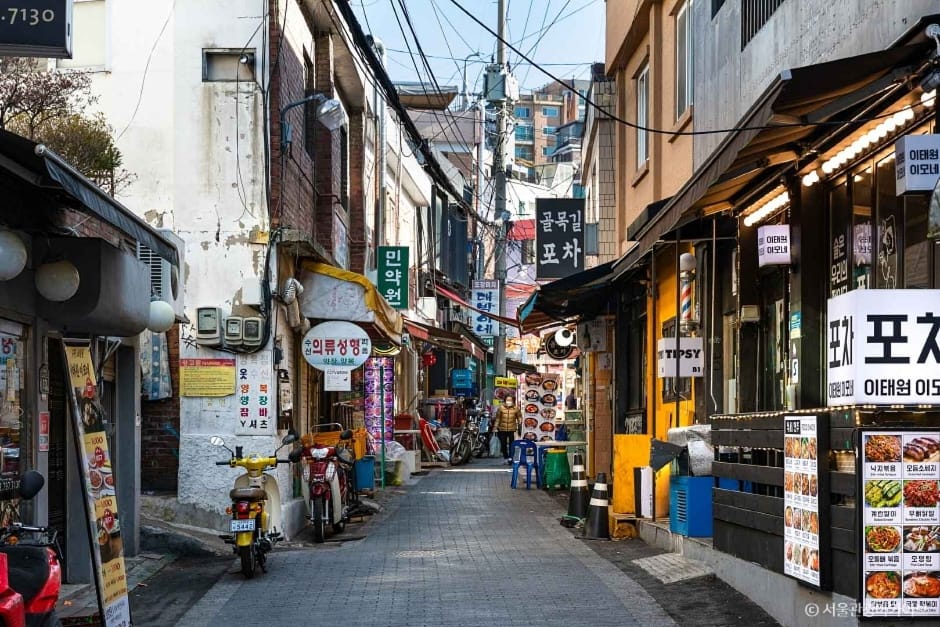
The vibrant neighborhood of Itaewon serves as the main setting for this inspiring story of ambition and resilience. This district symbolizes a place of new beginnings, challenges, and cultural diversity.
Drama Details: Itaewon Class
Location: Itaewon District
The Korean Perspective: Itaewon represents the diversity of modern Korea. Known for its international atmosphere, the district symbolizes openness, entrepreneurship, and cultural change. It’s a place where the “Haves” and the “Have-Nots” clash, creating the dramatic tension central to the story.
Expert Insight (Visual Dynamics): Minimalist design is often about removing clutter to find the core essence. However, the visual power of Itaewon in Itaewon Class lies in its “dynamic energy.” The layers of neon signs, the steep, narrow alleys, and the diverse crowds create a complex, textured visual landscape. This reflects the multi-layered struggles and ambitions of the drama’s characters.
How to Get There: Take Seoul Subway Line 6 to Itaewon Station. Exit 3 is the best place to start your journey into the heart of the district.
Travel Companion: Namsan Park (Baekbeom Square) After exploring the busy streets, head to Baekbeom Square near the end of the Namsan mountain wall. It’s where Park Saeroyi frequently walks and reflects on his goals. It offers a stunning, open view of N Seoul Tower and the surrounding cityscape.
4. Seoraksan National Park – Crash Landing on You (2019)
The breathtaking mountain landscapes of Seoraksan helped create the dramatic emotional tone of this globally popular series. Seoraksan National Park is one of Korea’s most stunning natural wonders.
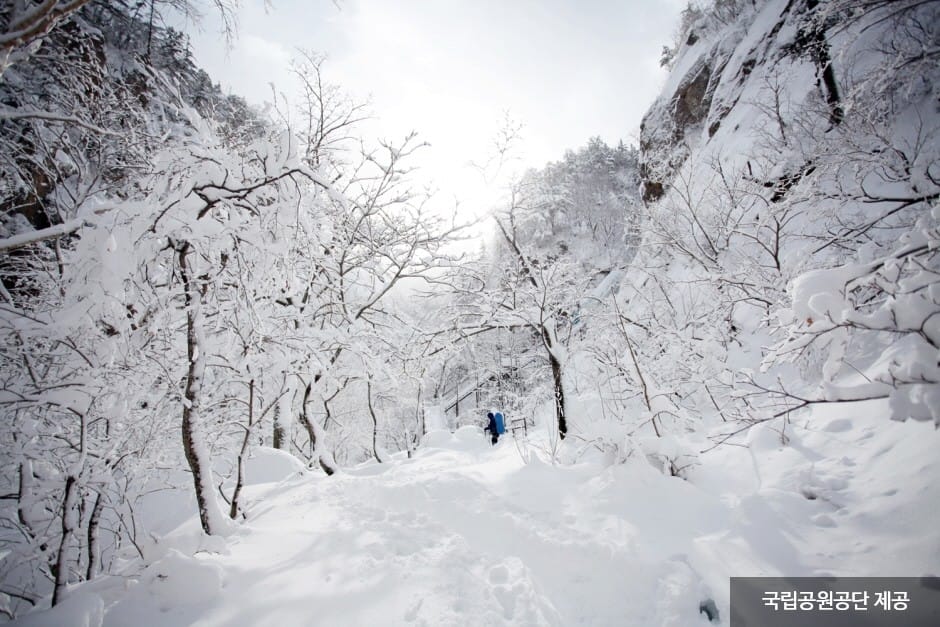
Drama Details: Crash Landing on You
Location: Seoraksan National Park
The Korean Perspective: Mount Seorak is often described as Korea’s most beautiful mountain. Its towering cliffs and deep valleys symbolize both separation and connection. The vast, monumental quality of the landscape amplifies the sense of high stakes and dramatic tension.
Expert Insight (Visual Rhythm): The visual storytelling here relies heavily on “rhythm.” The contrast between the monumental scale of the jagged granite peaks and the delicate details of the pine trees creates a sense of “quiet intensity.” This reflects the film’s “less is more” emotional approach.
How to Get There: From Seoul, take an intercity bus from Dong Seoul Bus Terminal to Sokcho. From the bus terminal, take bus No. 7 or 7-1, which takes you directly to the park entrance.
Travel Companion: Sokcho Beach After your hike, head to Sokcho Beach to try the region’s famous “Ojingeo-sundae” (squid stuffed with savory ingredients). Seoraksan is not just a hiking destination; it stands out among the top 10 K-Drama Locations for its raw, cinematic power.
5. Sihwa Lake – Extraordinary Attorney Woo (2022)
Among these 10 K-Drama Locations, the peaceful scenery surrounding Sihwa Lake offers a unique sense of tranquility. The wide sky and calm water created a soothing visual rhythm that resonated with the inner journey of Woo Young-woo.
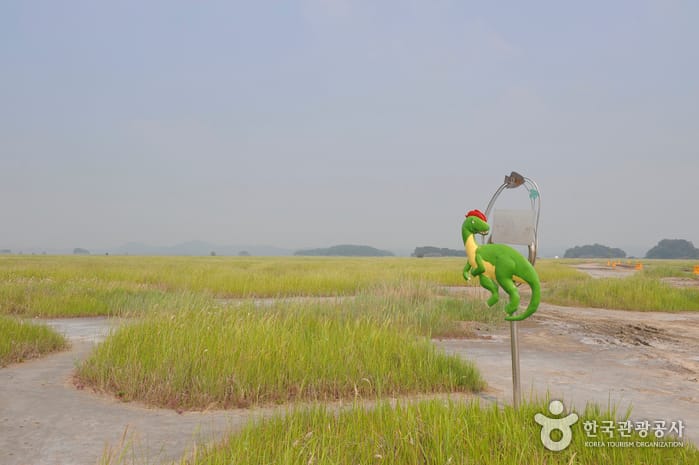
Drama Details: Extraordinary Attorney Woo
Location: Sihwa Lake
The Korean Perspective: The calm water and wide sky create a sense of tranquility, reflecting the inner journey and personal growth of the drama’s main character. Sihwa Lake represents a different side of Korea—one of quiet reflection rather than urban dynamism.
Expert Insight (Zen Landscape): Sihwa Lake embodies the Zen philosophy of “transparent and airy.” The simplicity of the horizon line and the absence of visual noise create a powerful sense of clarity. For a minimalist creator, this is a place to find “quiet intensity” in the subtle details of light and shadow on the water.
How to Get There: The best way to reach Sihwa Lake is by car. If using public transport, take the subway Line 4 to Oido Station, and then a local bus. A better option is to rent a car from Seoul (approx. 1-1.5 hour drive).
Travel Companion: Oido Island and the Red Lighthouse Continue your journey to nearby Oido Island, famous for its iconic Red Lighthouse and wide variety of fresh seafood, especially “Kalguksu” (hand-cut noodle soup) made with local clams.This serene spot is a rising star among the must-visit 10 K-Drama Locations for its unique tranquility.
10 K-Drama Locations – Part 2: Traditional Alleys and Modern Airports
The second half of our journey through the best 10 K-Drama Locations takes us into the historic soul and futuristic heart of Seoul.
6. Ssangmun-dong Alley – Reply 1988 (2015)
This nostalgic neighborhood perfectly recreates everyday life in Seoul during the late 1980s. Ssangmun-dong represents a time when community mattered more than technology, and “Jeong (정)” was shared among all.
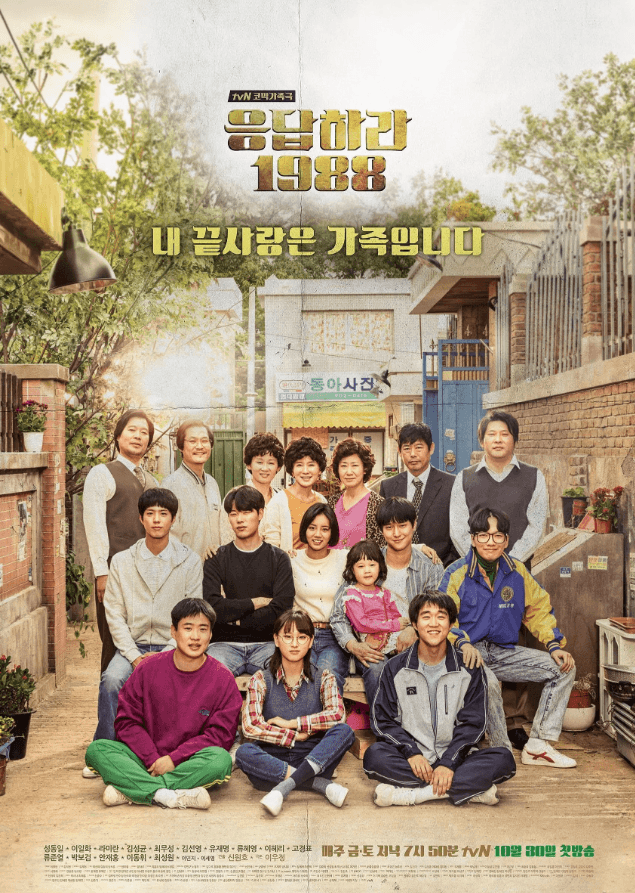
[Insert Photo: Ssangmun-dong Alley]
Drama Details: Reply 1988
https://dearfromkorea.com/reply-1988/
Location: Ssangmun-dong
The Korean Perspective: The drama highlights the Korean concept of Jeong (정) — a deep emotional bond shared among family members, friends, and neighbors. It’s a nostalgic look at a disappearing aspect of Korean culture.
Expert Insight (Cultural Narrative): Minimalist design is often about removing noise. But the design of the Ssangmun-dong set is about “narrative layering.” Every small detail—from the old signs to the specific type of wallpaper—builds a story about a specific era and its collective memories. Read more about the Reply 1988 ending and its significance here.
How to Get There: Take Seoul Subway Line 4 to Ssangmun Station. Exit 1 is the most direct starting point for exploring the residential alleys of this district.
Travel Companion: Ssangmun-dong Dukseong Women’s University Area After walking through the alleys, explore the Dukseong Women’s University area, which has a variety of quaint cafes and affordable local restaurants, giving you a taste of modern-day Ssangmun-dong life.
7. Bukchon Hanok Village – Personal Taste (2010)
Bukchon Hanok Village remains one of the best-preserved traditional neighborhoods in Seoul. Walking through these alleys allows you to experience the elegant simplicity of traditional Korean architecture amidst the modern city.
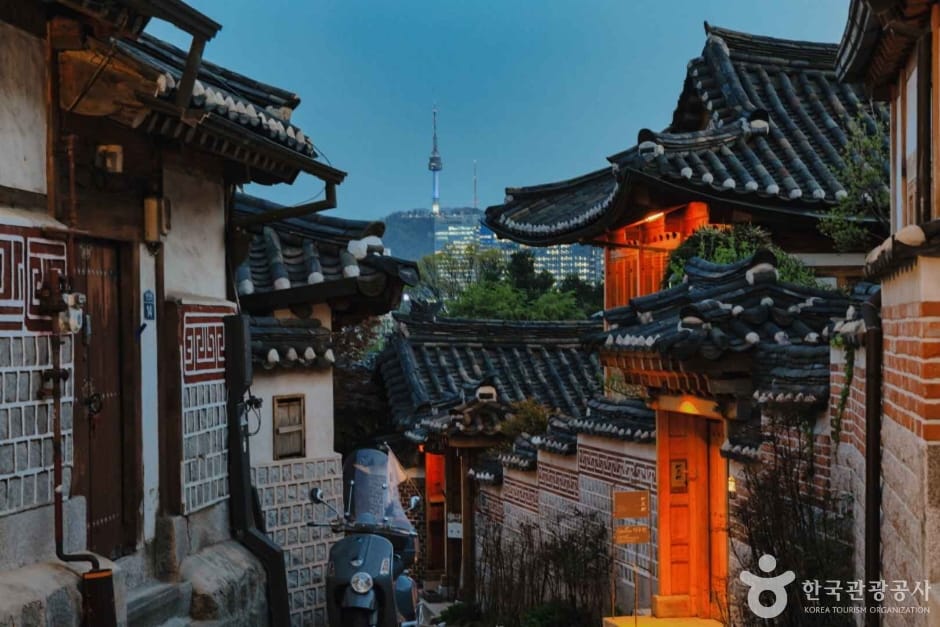
Drama Details: Personal Taste
Location: Bukchon Hanok Village
The Korean Perspective: Bukchon allows visitors to experience the elegance of traditional Korean architecture within the modern city. It’s a living museum that has become a symbol of Korea’s traditional “empty yet full” philosophy.
Expert Insight (Minimalist Craftsmanship): The design of the hanok (traditional Korean house) is a direct precursor to modern minimalist aesthetics. It is characterized by clean lines, natural materials (wood and paper), and the concept of “Bi-um” (emptiness). This “quiet intensity” in traditional Korean craftsmanship provides a source of infinite inspiration for contemporary visual storytellers.
How to Get There: Take Seoul Subway Line 3 to Anguk Station. Follow the signs to Bukchon Hanok Village (approx. 10-15 minute walk).
Travel Companion: Samcheong-dong Café Street After your walk, continue down the hill to Samcheong-dong Café Street. It’s an area where modern art galleries and stylish cafes are built within beautifully renovated Hanok structures.
8. Dongdaemun Design Plaza – Vincenzo (2021)
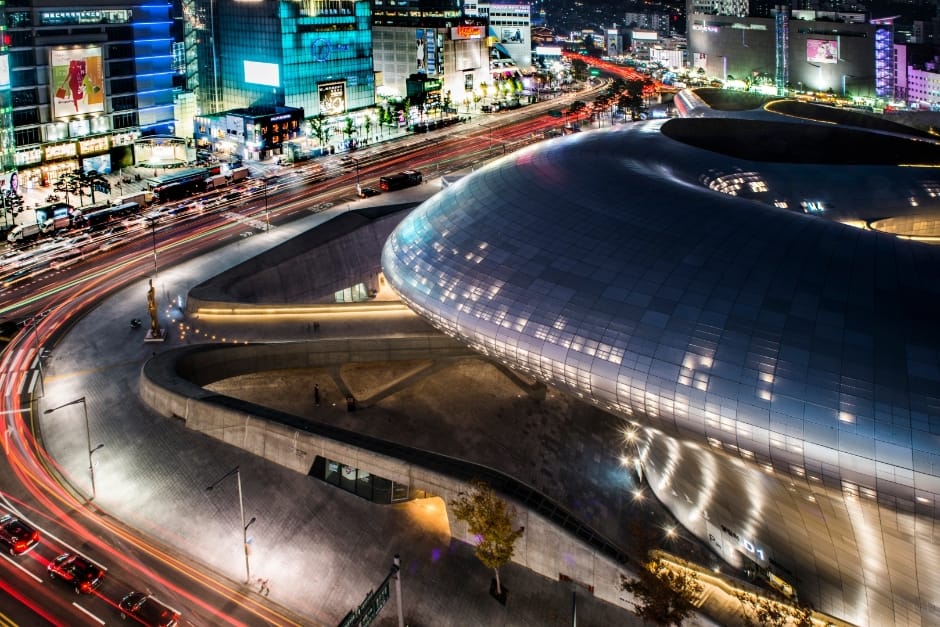
Designed by world-renowned architect Zaha Hadid, the futuristic curves of Dongdaemun Design Plaza represent modern Korean design and creativity. DDP is a masterclass in modern architectural dynamic energy.
Drama Details: Vincenzo
https://dearfromkorea.com/vincenzo/
Location: Dongdaemun Design Plaza
The Korean Perspective: The DDP symbolizes Korea’s bold cultural identity. Its design—inspired by water and dynamic flows—represents Korea as a creative hub of the future.
Expert Insight (Dynamic Minimalism): The DDP is a perfect example of “dynamic minimalism.” Hadid didn’t use ornamentation; instead, she used the monumental scale and flowing lines of the building itself to create visual impact. The building’s metallic surface is designed to be “airy and transparent,” reflecting the surrounding lights of Dongdaemun in a shifting visual dance. Read more about Vincenzo’s world here.
How to Get There: Take Seoul Subway Line 2, 4, or 5 to Dongdaemun History & Culture Park Station. The station is directly connected to the DDP entrance.
Travel Companion: Dongdaemun Shopping District The DDP is surrounded by massive shopping malls like Doota and Migliore. It’s the center of Seoul’s fashion industry and is famous for its night markets that are open until 4:00 AM.
9. Woljeongri Beach – Twenty-Five Twenty-One (2022)
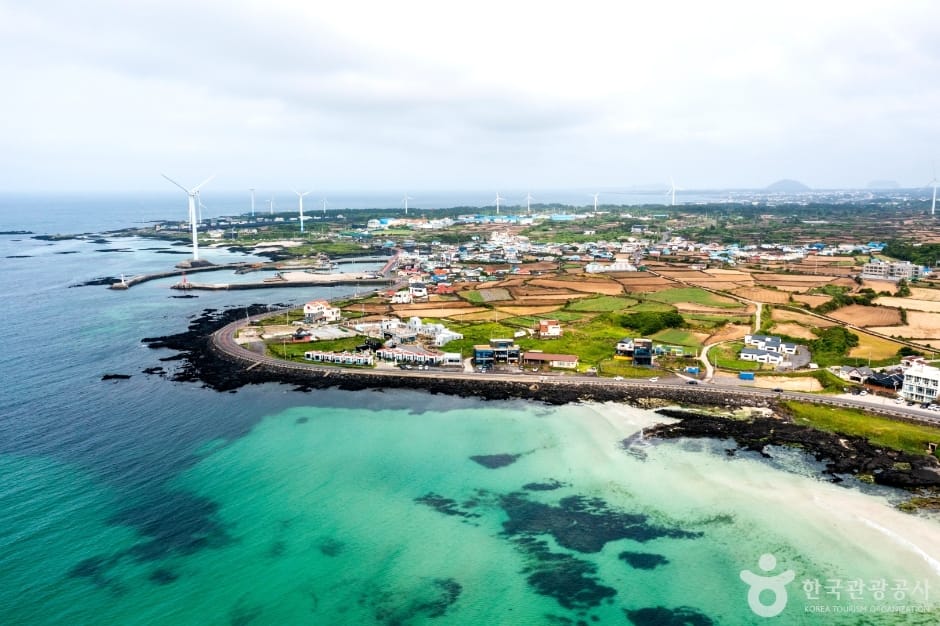
If you are looking for a mix of nostalgia and natural beauty, Woljeongri is a must-visit entry on this list of 10 K-Drama Locations.
Drama Details: Twenty-Five Twenty-One
Location: Woljeongri Beach
The Korean Perspective: Jeju Island has long been considered a place of reflection and escape for Koreans. Woljeongri’s turquoise waters and white sand symbolized a safe haven where the young characters could find moments of peace amidst their struggles.
Expert Insight (The Airy Beach): Woljeongri is defined by its “airy and transparent” quality. The vastness of the ocean and the simplicity of the white sand beach create a sense of profound serenity. For a visual creator, this is a place to capture the subtle dance of light and shadow on the water, reflecting the fleeting beauty of youth.
How to Get There: The best way to get to Jeju is by air (Flight from Gimpo Airport). Once in Jeju, the Woljeongri Beach area is best explored by renting a car or taking a local bus from Jeju City.
Travel Companion: Jeju’s “Stone Café” Culture Jeju Island is famous for its unique cafés built with black volcanic stone. After visiting the beach, find a nearby Stone Café for a cup of Jeju Mandarin tea.
10. Incheon International Airport – The King: Eternal Monarch (2020)
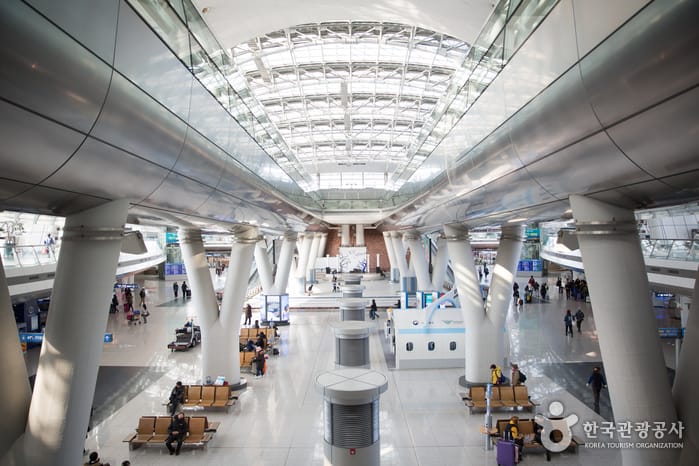
As a frequent character in K-Dramas, Incheon International Airport frequently appears as a gateway to new beginnings. This is where the magic begins for international fans.
Drama Details: The King: Eternal Monarch
https://dearfromkorea.com/the-king-eternal-monarch/
Location: Incheon International Airport
The Korean Perspective: For international travelers, this airport represents the beginning of a journey into Korean culture. It often functions as a symbolic threshold in Korean storytelling, marking the transition from the familiar to the new.
Expert Insight (Gateway Architecture): Even Incheon Airport’s architecture has a dynamic narrative layering. The structure’s futuristic curves are designed to be monumental yet light. This minimalist philosophy of creating “airy intensity” makes the experience of traveling through this space not just efficient, but emotionally meaningful. Read more about the time-traveling universe of The King here.
How to Get There: The Airport Railroad Express (AREX) is the fastest way to get to and from the airport.
Travel Companion: Incheon Chinatown and Songdo Convensia Before you leave, explore nearby Incheon Chinatown, famous for its history and the original “Jajangmyeon” (black bean paste noodles). For architecture fans, Songdo Convensia is a must-visit.
Final Thoughts: Why K-Drama Filming Locations Resonate Globally
Visiting these 10 K-Drama filming locations is more than just a sightseeing trip. It is a way to connect with the unique emotional landscape that has made Korean dramas a global phenomenon. These sites represent the perfect synergy of storytelling, history, and natural beauty, which is the core of Hallyu’s success.
Whether you are a long-time fan or new to the Korean Wave, exploring these 10 locations provides a new perspective on Korea’s ability to create unforgettable narratives through its unique cultural lens.
A Pro 3-Day K-Drama Location Itinerary
| Time | Day 1: Modern Romance (Seoul) | Day 2: Nostalgic Tradition (Seoul) | Day 3: Nature & Reflection (Gyeonggi) |
| 09:00 | Itaewon | Bukchon Hanok Village | KTX to Gangneung Station |
| 12:00 | Lunch in Itaewon | Samcheong-dong Café Street | Local Bus to Jumunjin |
| 15:00 | Namsan Park (Baekbeom) | Ssangmun-dong Alley | Jumunjin Breakwater |
| 18:00 | N Seoul Tower (Sunset) | Vincenzo’s Vincenzo DDP | Seafood Jjambbong Dinner |
10 K-Drama Locations: Final Thoughts for Your Korea Trip
K-dramas have introduced global audiences to Korea’s landscapes, traditions, and unforgettable filming locations. Planning a trip to these 10 K-Drama filming locations allows visitors to experience the real-world settings behind their favorite dramas while discovering the landscapes, culture, and emotions that define Korea.
Which of these 10 K-Drama Locations is on your bucket list for 2026? Share your favorite filming spots in the comments below and start planning your dream journey today!
Explore More About Korean Cinema & Culture
Christmas in August (1998): Why This Subtle Romance Redefined Korean Melodrama
10 Best Korean Movies You Must Watch
The Unique Storytelling Style of Korean Movies
Credits: Photos by Korea Tourism Organization / Drama data via TMDB & KMDb.
Korea Tourism Organization: https://knto.or.kr/