Why Korean Food in Movies is the Secret to Hallyu’s Success
Korean food in movies is more than just a meal; it is a sophisticated visual language used by master directors to reveal social hierarchy, emotional trauma, and national identity. To understand why Korean culture fascinates the world, one must look closely at the dining table on the silver screen.
Korean cinema uses food as a powerful storytelling tool. From the symbolic tofu in Oldboy to the strategic noodles in Parasite, everyday dishes reveal deep meanings. This guide explores seven iconic foods in Korean films. We will uncover the historical and artistic layers that define the true essence of Korean culture.
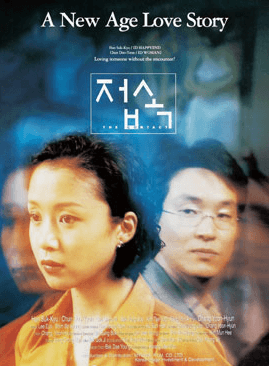
1.Bibimbap: The Harmony of Korean Food in Movies (1997)
Historical Background: The Shift to Digital Seoul
The late 1990s marked a radical transition in Korean culture. As the nation moved toward a high-tech future, traditional lifestyles began to fade into the anonymity of a digital metropolis. The Contact captured this era of urban loneliness.
Director’s Intent: Visualizing Connection through Harmony
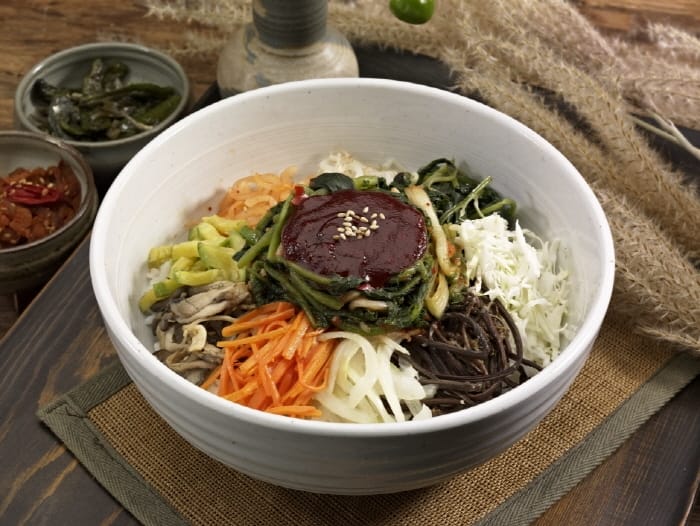
Director Chang Yoon-hyun used Bibimbap to symbolize the “mixing” of different lives. Just as the five colors of the Obangsaek philosophy create a harmonious whole, the film suggests that isolated strangers can still form meaningful connections.
Critical Response: The film was a massive hit, praised for its “urban noir” romance that resonated with Korea’s first digital generation. It redefined how Korean culture was portrayed—not as rural and traditional, but as sleek, modern, and emotionally complex.
Health Fact
Bibimbap is one of Korea’s most balanced dishes, combining:
- vegetables rich in fiber
- protein from eggs or meat
- fermented probiotics from gochujang
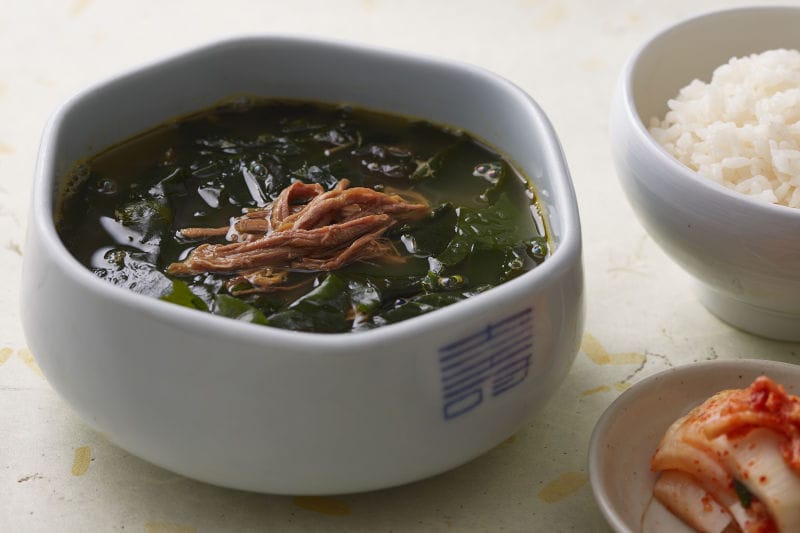
2. Seaweed Soup: Maternal Devotion in Korean Food (2009)
The Era of Psychological Realism
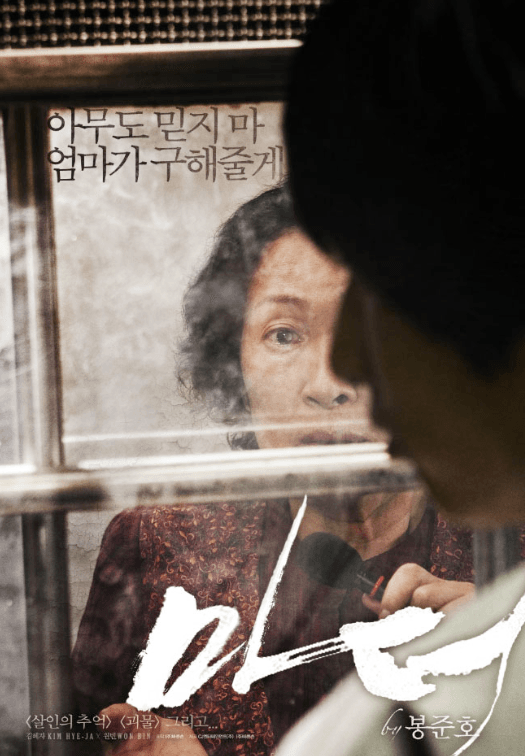
By the late 2000s, Korean culture in cinema shifted toward darker psychological landscapes. Director Bong Joon-ho utilized this era to critique traditional family values through a thriller-oriented lens.
Directorial Vision: The Metaphor of Blood-Cleansing
Traditionally, Miyeok-guk (Seaweed Soup) symbolizes recovery. In Mother, Bong transforms this warm symbol into something unsettling. The soup represents a mother’s frantic attempt to “cleanse” her son’s guilt.
Historical Influence: Critics at Cannes praised this subversion of maternal love, turning a dish of healing into a chilling metaphor for obsessive devotion, a recurring theme that makes Korean culture fascinating to global audiences.
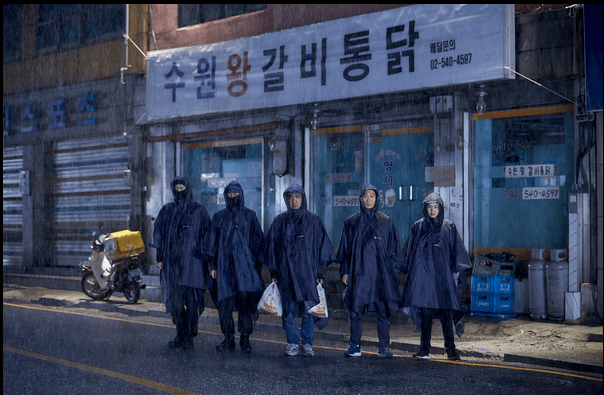
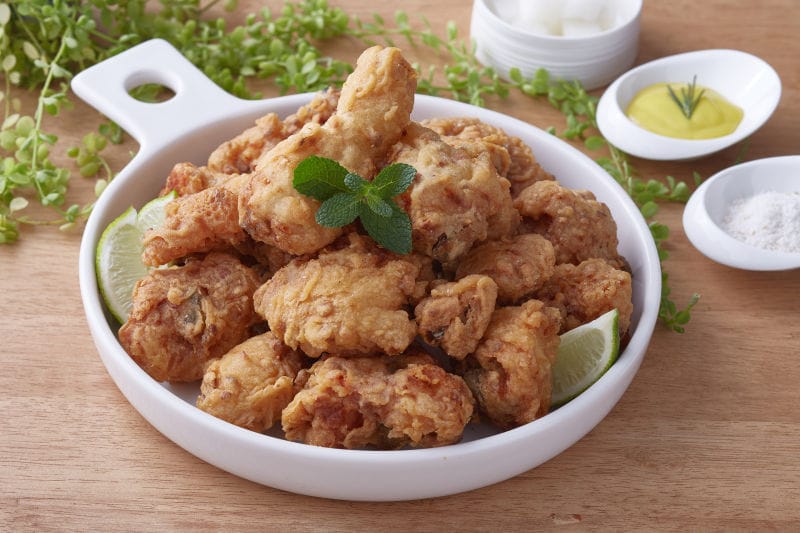
3. Fried Chicken: Modern Survival and Korean Food in Movies (Extreme Job, 2019)
Historical Context: Korea’s Self-Employment Crisis
South Korea has a unique “Fried Chicken Economy,” where many open restaurants as a last resort. This reflects the precarious nature of the modern Korean culture and middle-class struggle.
Artistic Intention: Satirizing the Reality of Survival
In Extreme Job, undercover detectives become more successful as chicken restaurant owners than as police officers. This satire highlights the desperation of self-employment. Fried chicken here serves as a mirror for the daily grind of modern urban Korean culture, blending comedy with a sharp critique of economic instability.
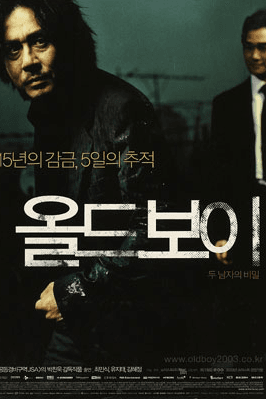
Tofu and Mandu: Redemption and Irony in Korean Food (Oldboy, 2003)
The Visual Contrast of Sin and Punishment
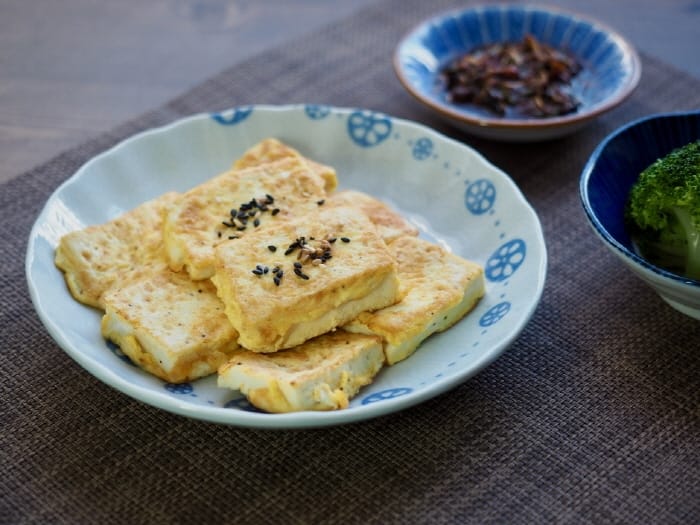
In Korean culture, those released from prison are traditionally given raw white tofu to symbolize a “pure” new beginning, free from the stains of the past. In Oldboy, the protagonist Oh Dae-su consumes this tofu immediately upon his release. However, this moment of “purity” is short-lived.
The Legend of the Fried Mandu (Potstickers) While tofu represents a failed attempt at redemption, the Fried Mandu is the ultimate symbol of his 15-year trauma. For over a decade, Oh Dae-su was fed nothing but fried dumplings from a mysterious source. This repetitive, solitary meal becomes his only link to the outside world and eventually the key clue to finding his captor.
Director’s Intent: From Purity to Bloody Revenge Director Park Chan-wook uses the contrast between the soft, white tofu and the greasy, repetitive mandu to highlight the protagonist’s psychological state. The tofu is the life he should have led, but the mandu is the reality of the vengeance he must take.
Global Impact: The “Mandu-hunting” sequence and the iconic tofu scene proved that local culinary traditions could be transformed into a universal language of Neo-Noir cinema, captivating audiences worldwide.
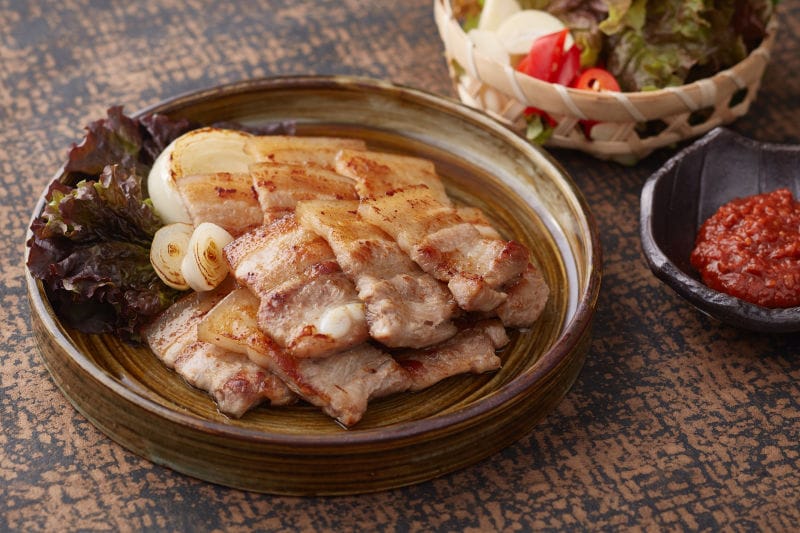
5. Samgyeopsal: Emotional Warmth in Korean Food in Movies (A Bittersweet Life 2005)
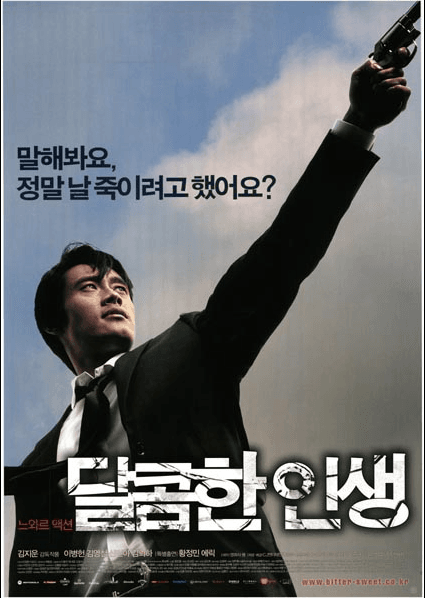
Director’s Vision: Highlighting Emotional Distance
Samgyeopsal is inherently social—it requires a shared grill. Director Kim Jee-woon places this communal meal inside a cold criminal world to emphasize the protagonist’s profound loneliness. While others share the warmth, he remains emotionally isolated, highlighting a “Bittersweet” side of Korean culture where physical proximity does not guarantee emotional connection.
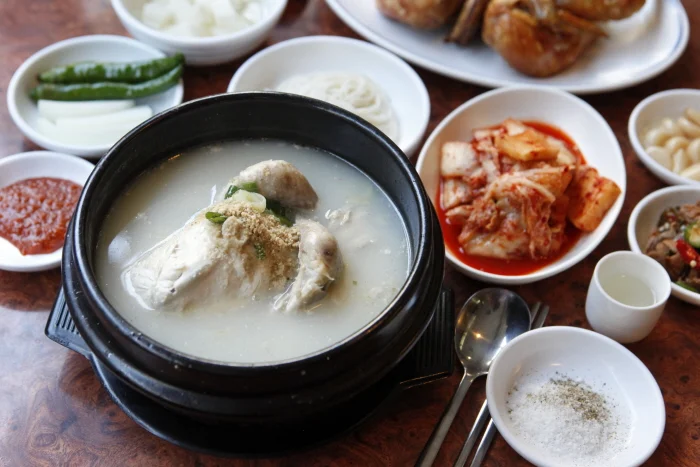
6. Samgyetang: Identity and Korean Food in Movies (Shiri, 1999)
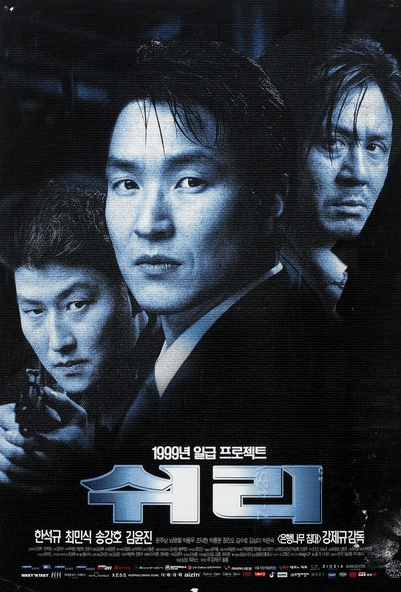
The Birth of the Korean Blockbuster
Shiri was the first “Korean Blockbuster” that transformed the industry, proving the commercial power of Korean culture on a global stage by outperforming Hollywood giants.
Shared Heritage: A Bridge of Identity
Samgyetang (ginseng chicken soup) represents shared heritage. Despite political conflict, the act of eating this traditional food reminds viewers of a cultural bond that remains unbroken by ideological lines. It serves as a powerful reminder of why Korean culture remains unified in spirit despite political division.
7. Makgeolli: The Spirit of Han in Korean Food (1993)
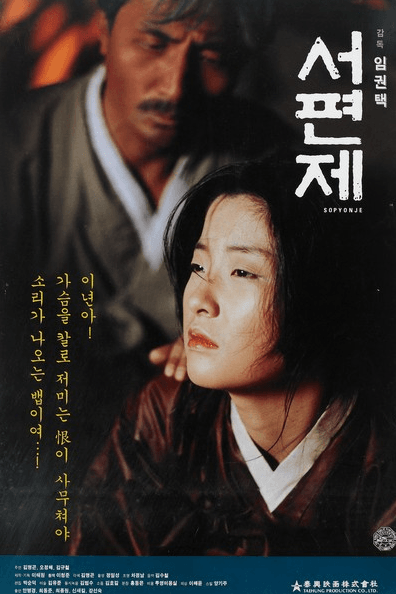
Historical Context: Reviving Tradition
In the early 90s, Sopyonje served as a cultural awakening, reviving interest in traditional arts like Pansori during a period of rapid modernization in Korean culture.
Artistic Interpretation: The Rhythm of Han
Makgeolli (traditional rice wine) represents the spirit of the people. It is the fuel for the singers’ “Han”—a complex emotion of sorrow and resilient hope that is central to understanding Korean culture.
Historical Impact: It was the first film to reach 1 million viewers in Seoul, proving that traditional roots could move modern hearts and establishing a foundation for the future global success of Hallyu.
Special Insight: Bong Joon-ho vs. Park Chan-wook – The Aesthetics of Food
To truly grasp why Korean culture fascinates the world, we must compare how its greatest masters use food. Bong Joon-ho (Parasite, Mother) uses food as a marker of class struggle and social hierarchy. In his world, what you eat defines your status.
Conversely, Park Chan-wook (Oldboy, Decision to Leave) uses food to explore guilt, desire, and psychological trauma. For Park, food is a visceral experience that reveals the deepest, often darkest, parts of the human psyche. This duality of social commentary and psychological depth is exactly what makes Korean culture in cinema so intellectually stimulating.
The Verticality of Hunger: Food as a Marker of Social Stratification
To understand why Korean culture fascinates the world, one must look at the “Verticality of Hunger” in the films of Bong Joon-ho. In Parasite (2019), food is never just nutrition; it is a weapon of class warfare.
- The “Jjapaguri” (Ram-don) Paradox: The most famous dish in modern cinema represents a violent collision of classes. By adding expensive Hanu (Korean beef) to cheap instant noodles, the wealthy Park family performs an act of “Casual Luxury.” They take a survival food of the poor and turn it into a high-end snack. This visual dissonance tells the audience everything they need to know about the gap between the basement and the sun-drenched living room.
- The Smell of Poverty: In Bong’s world, food is tied to scent. The “smell of an old radish” or “boiled rags” mentioned in the film is actually the smell of the semi-basement—a place where food never dries properly. This sensory realism is a hallmark of Korean culture in movies, making social inequality feel visceral and inescapable.
The Minimalism of Pain: Park Chan-wook’s Visceral Gastronomy
While Bong uses food to map society, Park Chan-wook uses it to map the human nervous system. As a creator who values minimalist aesthetics, I see Park’s use of food as a “Quiet Intensity” that explodes into violence.
- The Live Octopus (Oldboy): This is perhaps the most “Airy yet Heavy” scene in cinema. When Oh Dae-su eats a live octopus, it isn’t just about shock. It is a primal reclamation of life. After 15 years of “Fried Mandu” (processed, repetitive, dead food), he craves something that is still fighting back. The raw, writhing texture of the octopus is the first “real” thing he has touched in a decade.
- The Sushi of Decision to Leave (2022): In his later works, Park moves toward a “Transparent Sophistication.” The expensive sushi boxes shared by the detective and the suspect create a “Clean Taboo.” The act of tidying up the soy sauce packets together is a ritual of intimacy. Here, food serves as a bridge of desire that crosses the professional boundary of the law.
The Fermentation of Time: Why “Jeong” and “Han” Taste Like Kimchi
To truly grasp the essence of Korean culture, one must understand the “Fermentation of Emotion.” In Korean cinema, time is often portrayed through the slow aging of food.
- The Waiting of the Heart: In films like Little Forest (2018), the protagonist returns to the countryside to heal through food. The act of waiting for persimmons to dry or rice wine to ferment mirrors the character’s internal healing. This suggests that Korean culture fascinates the world because it offers a “Slower Tempo” of life, where patience is the primary ingredient.
- The Bittersweet Han: “Han” is like a fermented sauce—it is a sorrow that has been buried underground for a long time, eventually becoming deep and flavorful. When characters in Sopyonje drink Makgeolli, they are drinking the “Liquid History” of their ancestors. This connection between the palate and the past is a unique strength of Korean storytelling.
The “K-Foodie” Digital Wave: Mukbang as Narrative
In 2026, the fascination with Korean food has moved from the theater to the smartphone. The global “Mukbang” (eating show) phenomenon is actually a digital extension of the communal dining culture seen in films.
- Participatory Consumption: Global audiences don’t just watch Korean movies; they want to “re-eat” them. The viral “Dalgona Challenge” from Squid Game proved that food is the most effective “Interactive IP” in the world.
- The Aesthetic of the Table: Notice how K-dramas use “Airy and Transparent” lighting during meal scenes. This creates an aspirational lifestyle where the dining table is a place of absolute safety and emotional honesty. This “Social Warmth” is exactly what a disconnected global audience is searching for today.
The Architecture of the Table: Symmetry and Chaos
Korean dining tables (Bansang) are designed with a specific Minimalist Symmetry.
- The Power of Banchan: The presence of multiple side dishes represents “Abundance within Order.” In movies, a table filled with Banchan suggests a stable, traditional family. Conversely, a table with only one dish (like the solitary Mandu in Oldboy) signifies a broken soul or a fractured identity.
- The Ritual of Sharing: Unlike the Western “Individual Plate” system, the Korean “Shared Center” system forces characters to interact. You cannot eat without negotiating space with others. This “Forced Intimacy” is a brilliant tool for directors to build tension or resolve conflict without a single line of dialogue.
The Soul on a Plate
Ultimately, the reason Korean culture fascinates the world is that it refuses to separate the body from the spirit. In Korean cinema, you are what you eat, but more importantly, you are how you eat. Whether it is the desperate survival of fried chicken or the philosophical silence of temple food, the silver screen serves us a reflection of our own humanity, seasoned with the complex spices of Korean history. As we continue to consume these stories, we are not just watching a film; we are taking a seat at a global table where every bite tells a story.
The Global Expansion: From Cinema to K-Drama Food Memes
The fascination doesn’t stop with movies. Modern Korean culture has successfully turned food into global memes through K-Dramas.
- The Dalgona Challenge from Squid Game turned a simple street snack into a global survival symbol.
- Kimbap in Extraordinary Attorney Woo became a representation of order and comfort for the protagonist. These examples show that Korean culture is incredibly adept at taking local, everyday items and giving them a universal, emotional narrative that resonates across borders.
Conclusion: Why Korean Food Fascinates the World
Watching Korean food in movies is a multisensory journey through history, emotion, and social change. Master directors use these dishes to reveal the hidden layers of the human heart. From the satirical crunch of fried chicken to the spiritual depth of Makgeolli, these films use the dining table to show exactly why Korean culture fascinates the world today. It is a culture that honors its past while fearlessly critiquing its present, served with a flavor that is uniquely and undeniably Korean.
Related Articles: Explore the Roots of Korean Cinema
If you enjoyed learning about Korean food in movies, dive deeper into the masterpieces and the unique 90s culture that built the foundation of today’s K-Wave:
10 Essential Korean Films Before Parasite – A curated guide to the masterpieces of directors like Bong Joon-ho and Park Chan-wook, featuring Mother, Oldboy, and The Housemaid.
90s Korean Movie Culture – The Rise of Modern Korean Cinema – Discover how the creative freedom of the 1990s paved the way for the global success of Korean cinema.
The Contact (1997) – The Birth of Urban Romance – Learn more about the “Bibimbap” scene and the lonely urban aesthetic of early digital Seoul.
Sopyonje (1993) – The Film That Revived Korean Tradition – Deepen your understanding of Makgeolli and the spiritual rhythm of traditional Korean music (Pansori).
Shiri (1999) – The First Korean Blockbuster – Revisit the tense “Samgyetang” scene in the film that changed the industry forever.
For more detailed information on these classics, you can visit the Korean Movie Database (KMDb)
or check out the Korea Tourism Organization official website.