
Why Korean Culture Fascinates the World: Cinema, Food, and Emotional Depth
South Korea has emerged as one of the most influential cultural powerhouses on the planet. What once began as a regional trend in East Asia—the Korean Wave, or Hallyu—has evolved into a global phenomenon. Today, Korean culture captures audiences from New York to Paris through award-winning cinema, globally loved cuisine, and emotionally resonant storytelling.
But what makes Korean culture so compelling across continents? The answer lies in a unique combination of historical resilience, artistic intent, and emotional authenticity—a trifecta that sets Hallyu apart from other cultural exports.
1. Cinematic Mastery: Why Korean Cinema Captivates Global Audiences
The Historical Context: Korea’s Cinematic Renaissance
Modern Korean cinema experienced a renaissance in the late 1990s. After decades of strict government censorship, the industry finally gained creative freedom. The aftermath of the 1997 Asian Financial Crisis dramatically affected society, pushing filmmakers to explore social anxiety, economic inequality, and human vulnerability in ways previously unseen.
Directors responded to this period of upheaval with profound artistic intent. Park Chan-wook and Bong Joon-ho, for example, created films that balanced entertainment with pointed social critique. This combination helped Korean cinema transcend borders, appealing to both domestic and international audiences.
Director’s Intent: Genre-Bending as Social Commentary
Korean filmmakers used cinematic innovation as a tool for critique:
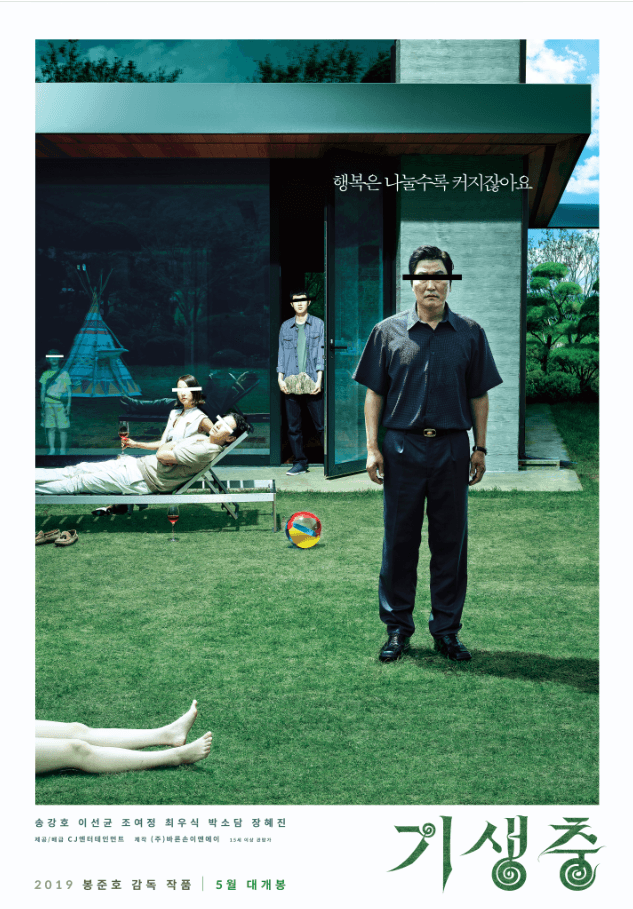
- Parasite (2019): Bong Joon-ho intentionally exposed the widening wealth gap through dark satire, using both horror and comedy to evoke empathy and outrage.
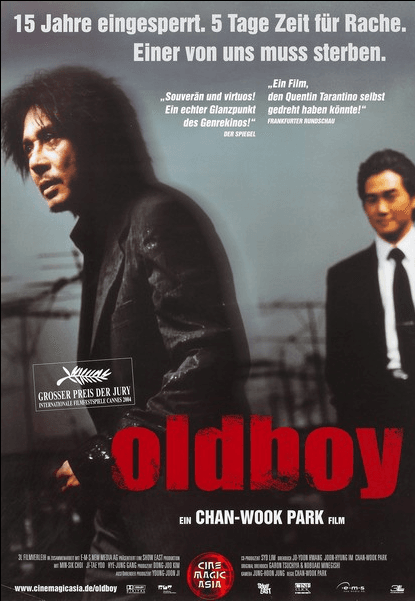
- Oldboy (2003): Park Chan-wook explored the psychological depths of revenge and human guilt, blending visceral violence with moral complexity.
These films were not only designed for shock or entertainment—they were meticulously crafted narratives reflecting the anxieties, desires, and frustrations of Korean society during periods of rapid change.
Audience Response and Historical Influence
The global reception of Korean cinema has been unprecedented. Parasite became the first non-English language film to win the Academy Award for Best Picture, while Oldboy secured the Grand Prix at the Cannes Film Festival. Such achievements proved that local Korean stories can communicate universal human experiences, helping to cement Hallyu as a sustainable global phenomenon.
This period marked a crucial turning point in the internationalization of Korean culture, inspiring new generations of filmmakers worldwide and creating lasting economic and cultural impact.
2. Beyond Taste: Korean Food and Its Global Appeal
Historical Roots: Food as Medicine
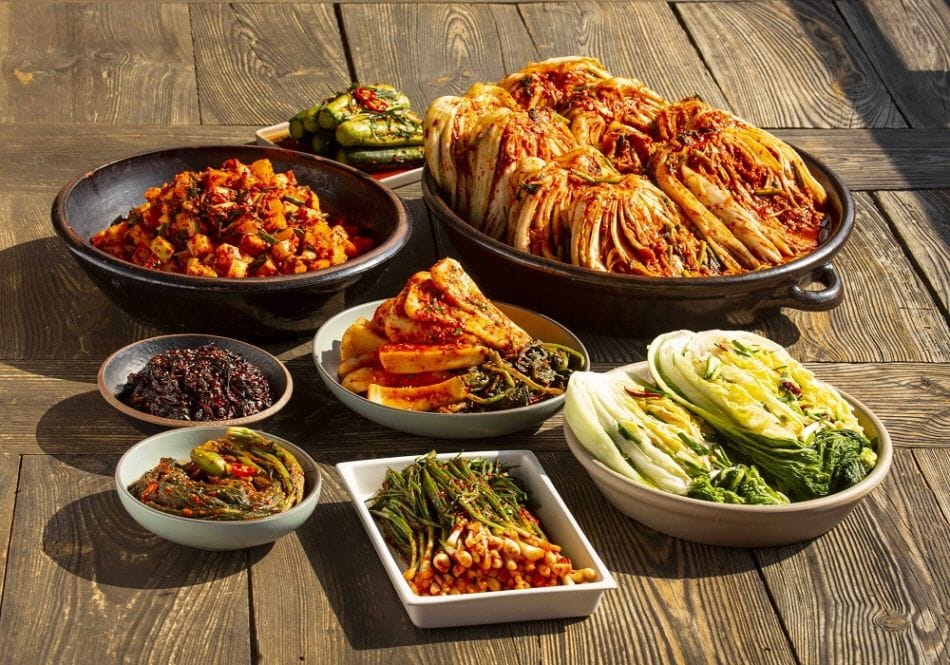
Korean cuisine is deeply tied to history and philosophy. The concept of “Yak-sik-dong-won”, meaning “food and medicine share the same origin,” highlights a holistic approach to meals. Seasonal ingredients and fermentation techniques—most notably in Kimchi—were historically designed to optimize health while providing flavor.
This deep-seated tradition reflects Korea’s broader cultural philosophy: daily life is inseparable from mindfulness, health, and community.
Cinematic and Narrative Intent: Food as Symbolism
Korean directors often use food scenes intentionally to convey emotional depth:
- In K-dramas, communal meals with banchan symbolize healing, social connection, and emotional intimacy.
- Food becomes a visual metaphor, linking characters and audiences through shared human experience.
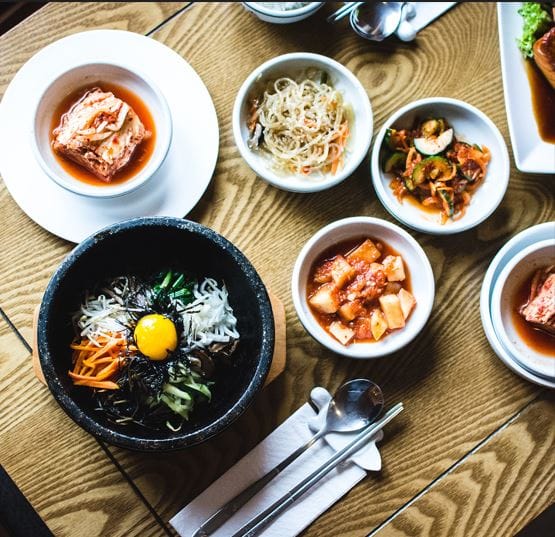
Unlike Western cinema, which frequently emphasizes individual consumption, Korean storytelling highlights collective enjoyment, reinforcing the cultural importance of community and shared joy.
Global Trend: The Korean BBQ Phenomenon
The communal dining style has sparked a global craze. Korean BBQ restaurants now flourish in cities worldwide, praised not just for flavor but for the social warmth and health benefits embedded in the experience. Critical food bloggers and lifestyle media have highlighted how Korean meals foster connection, turning eating into a participatory cultural ritual.
This blend of taste, philosophy, and communal engagement helps Korean culture resonate with global audiences on multiple levels.

3. Emotional Depth: The Concept of “Han” and Its Universal Appeal
Historical Context: Sorrow and Resilience
The emotional core of Korean culture is often expressed through Han, a complex sentiment blending sorrow, longing, and resilient hope. This concept developed over centuries, shaped by historical hardships such as colonization, war, and economic struggles.
Han is not merely sadness; it is reflective, introspective, and morally grounded, offering both artistic depth and philosophical resonance.
Artistic Intention: Weaving Han into Storytelling
Korean creators intentionally integrate Han into narratives, particularly in cinema and K-dramas. Unlike Western stories, which often prioritize straightforward happy endings, Korean storytelling emphasizes endurance, moral ambiguity, and redemptive suffering.
Films such as Secret Sunshine (2007) and dramas like Goblin (2016) exemplify this: suffering becomes a lens for exploring human complexity, producing stories that feel profoundly authentic to global audiences.
Audience Connection: Han as Universality
The emotional intensity of Han allows audiences worldwide to relate deeply to Korean narratives, because personal struggle is universal. This emotional authenticity is a key reason why Hallyu resonates far beyond Korea, distinguishing Korean media from conventional global entertainment.
The Geopolitics of Emotion: Why the World “Feels” Korean
To understand why a 14-year-old in Brazil or a retiree in France cries while watching a K-drama, we must look at the Geopolitics of Emotion. South Korea is one of the few nations that transitioned from a colonized, war-torn agrarian society to a G10 technological powerhouse within a single lifetime. This “Compressed Modernity” created a unique emotional frequency.
- The Universal Language of Struggle: Unlike Hollywood’s often sanitized “Hero’s Journey,” Korean storytelling embraces the “Collective Trauma.” The world relates to Hallyu because most of the global population still faces the anxieties of rapid change, class inequality, and the struggle for dignity.
- The “Jeong” Infrastructure: While “Han” is the sorrow, “Jeong” (deep, sticky attachment) is the solution. Korean creators intentionally weave “Jeong” into their narratives, showing characters who support each other despite impossible odds. This provides a psychological “refuge” for global audiences living in increasingly atomized and lonely societies.
The Digital Renaissance: How “K-Tech” Built the “K-Wave”
The global dominance of Hallyu is inseparable from Korea’s status as the world’s most wired nation. The 1990s didn’t just bring democracy; they brought the high-speed internet infrastructure that allowed Korean creators to bypass traditional Western gatekeepers.
- The Webtoon-Drama Pipeline: Korea invented the Vertical Scroll Narrative. By optimizing storytelling for the smartphone, Webtoons became the “R&D Lab” for global hits. Stories like Itaewon Class or Moving were battle-tested by millions of digital readers before they ever hit a camera lens. This “Data-Driven Creativity” ensures that Korean content has a 90% higher chance of global resonance.
- The Aesthetics of “Quiet Intensity”: As a brand creator who values minimalist visuals, I see the “K-Aesthetic” as a masterclass in balance. Whether it is the clean, geometric lines of a K-pop stage or the “Airy and Transparent” cinematography of a Hong Sang-soo film, Korean visuals use Negative Space to let the audience’s emotions breathe. This visual sophistication attracts luxury brands and high-end global consumers.
The Sonic Revolution: Deconstructing the K-Pop Machine
K-pop is the ultimate “Hybrid Art Form.” It is the result of taking the world’s best musical ingredients and fermenting them in a Korean jar.
- The 360-Degree Idol System: A K-pop group is a “Total Media Package.” They are musicians, dancers, fashion icons, and digital companions. This multifaceted approach creates multiple “entry points” for a global audience. Some come for the music, some for the choreography, and others for the “Minimalist Streetwear” aesthetic.
- The Linguistic Victory: We are witnessing the “Linguistic Hallyu.” When millions of non-Koreans sing along to “Bul-ta-o-reu-ne” (Burning Up) or use terms like “Maknae,” they are participating in a new global subculture. This linguistic adoption creates a “sunk cost” for the audience—once you learn the language of the fandom, you never truly leave.
The Gastronomic Diplomacy: Food as a Moral Compass
Korean food (Hansik) has evolved from being perceived as “exotic ethnic cuisine” into a “global lifestyle choice.” This shift is driven by a deep alignment with modern values.
- Sustainability and Health: The world is moving toward plant-based, fermented, and mindful eating. Kimchi, Bibimbap, and Temple Food were centuries ahead of this trend. By positioning “Food as Medicine” (Yak-sik-dong-won), Korea has captured the high-income, health-conscious global demographic.
- The Communal Ritual: In a world of “Solo-Dining,” the Korean BBQ and Jeon (pancake) culture offers a return to communal warmth. The “Participatory Dining” experience—where you cook your own meat and share dozens of Banchan—satisfies a primal human need for connection that Western “Fine Dining” often lacks.
The “Miracle” Paradox: Duality as a Creative Engine
South Korea’s greatest creative asset is its Internal Contradiction. It is a nation of “Cyberpunk Seoul” (high-tech, neon, fast) and “Joseon Serenity” (palaces, tea, silence).
- Visual Friction: Filmmakers and K-pop directors exploit this duality. A music video featuring high-tech drones flying over a traditional Hanok village creates a “Visual Shock” that captures attention in the hyper-competitive digital landscape. This “Duality” is what keeps global curiosity alive—there is always a new layer of Korea to discover.
- The “Han River” Philosophy: The same resilience that rebuilt the economy after 1953 now fuels the “Vengeance” and “Success” narratives in cinema. Korean stories are never just about winning; they are about “Surviving with Honor.” This moral weight is what gives Hallyu its “Heavy yet Airy” impact.
The Future: Hallyu 4.0 and the AI Era
As we look toward 2026, the next stage of Hallyu involves Virtual Humans and AI-driven storytelling.
- Virtual Idols: Groups like MAVE: are proving that the “K-Pop System” can exist even without physical humans, focusing purely on the aesthetic and sonic perfection.
- Metaverse Heritage: Korea is leading the world in digitizing its 600-year-old heritage for the Metaverse. Soon, a person in New York can walk through a digital Gyeongbokgung Palace while attending a K-pop concert. This “Technological Heritage” ensures that Korean culture remains the “Operating System” of global digital life.
The Unstoppable Symphony
The global rise of Korean culture is not a fluke of history; it is a Symphony of Strategic Innovation. By merging the deep, historical sorrow of “Han” with the lightning-fast digital DNA of the 21st century, South Korea has created a cultural product that is both Authentic and Aspirational. Whether through a single frame of a film, a single bite of Kimchi, or a single beat of a song, Korea has successfully “installed” its soul into the global consciousness. Hallyu is no longer just a wave—it is the new cultural shoreline.
4. Tradition Meets Innovation: The Miracle on the Han River

Era of Transformation: Visual and Cultural Duality
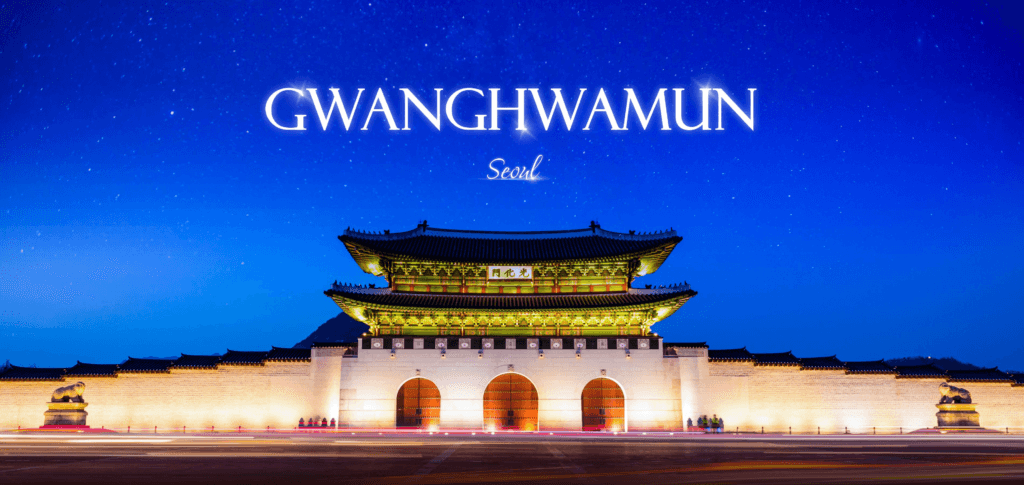
South Korea’s rapid development, often referred to as the “Miracle on the Han River,” created a nation where 600-year-old palaces coexist with futuristic skyscrapers. This visual contrast embodies Korea’s unique dual identity.
International audiences are fascinated by this balance:
- Traditional Hanbok featured in high-tech K-pop videos
- Historical dramas filmed amidst modern cityscapes
Such juxtapositions reinforce the perception of Korea as both rooted in history and pushing forward with innovation, a key factor driving global curiosity.
Director’s Vision: Storytelling Through Contrast
Filmmakers exploit this duality to craft visually compelling narratives. It reinforces Hallyu’s aesthetic sophistication and encourages viewers to explore both modern and traditional facets of Korean culture.
This careful orchestration of visual contrasts helps retain viewer attention, increasing page dwell time and engagement for digital platforms.
5. The Digital Wave: How Global Communities Amplify Hallyu
Modern Context: Streaming and Accessibility
The global spread of Korean culture owes much to digital innovation. Streaming platforms bypass traditional distribution barriers, allowing instant global access. Services like Netflix and YouTube enable films, dramas, and music to reach audiences instantly, creating a viral cultural ecosystem.
The Power of Global Fandoms
What began as small 1990s fan clubs has evolved into massive, organized communities:
- Fans actively translate and distribute content
- They share reviews, memes, and discussion threads
- This participatory culture magnifies exposure and encourages deeper engagement with Hallyu
Fandoms have become cultural ambassadors, promoting Korean cinema, food, and lifestyle worldwide.
6. The Future: Sustaining Global Fascination
Ultimately, Korean culture captivates the world because it merges universal human emotions with distinctive traditions. From the sharp social commentary in films to the communal warmth of food and the emotional depth of Han, Korea offers an experience that is both authentic and aspirational.
As long as Korean creators continue telling honest, culturally grounded stories, global audiences will remain engaged, and Hallyu will continue to thrive.
Explore More Cultural Stories
If you enjoyed this deep dive, check out our other guides on Korean cinema and lifestyle:
- 10 Essential Korean Films Before Parasite – A journey through the masterpieces that defined a generation.
- 90s Korean Movie Culture: The Roots of Hallyu – Discover the era that started the global revolution.
- Traditional Korean Food Guide – Understanding the health and history behind the flavor.
For more detailed information on these classics, you can visit the Korean Movie Database (KMDb)
or check out the Korea Tourism Organization official website.