Welcome to Dear, From K. If you are looking for the best Classic Korean Movies for Beginners, you’ve come to the right place. To help you navigate, we’ve curated the top 5 essential films that defined the industry.
The Must-Watch Classic Korean Movies
1. Parasite (2019) – The Architecture of Deception
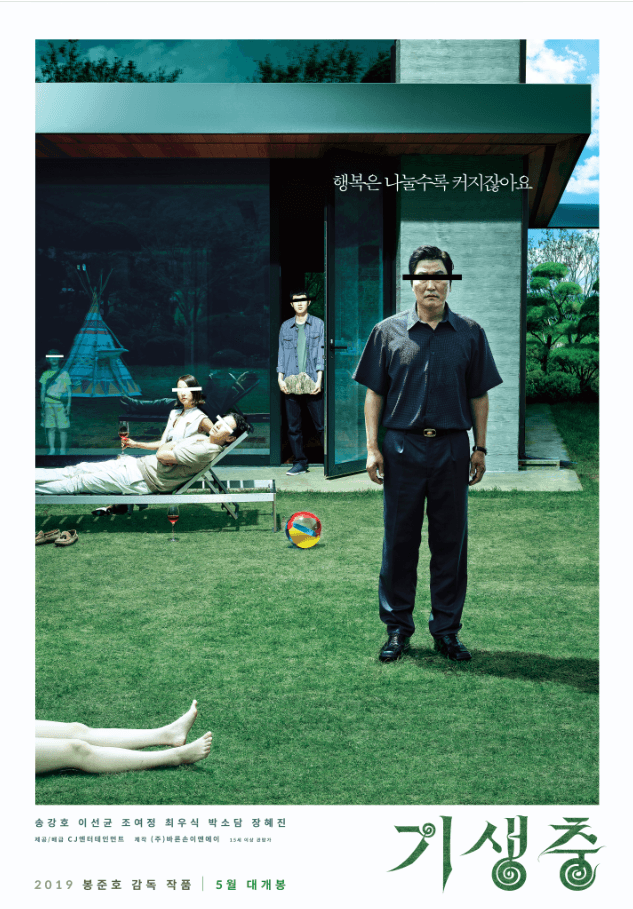
- [Cinematic Context: The Global Shift] Parasite isn’t just one of the best Classic Korean Movies for Beginners; it is a historical turning point that forced the world to look at Hallyu through a sophisticated, intellectual lens. Director Bong Joon-ho masterfully blends black comedy, thriller, and tragedy to critique the universal struggle of the wealth gap.
- [The Visual Language: Mirrors and Windows] As a creator who values minimalist aesthetics, I find the house in Parasite to be the true protagonist. The vast floor-to-ceiling windows of the Park family’s mansion offer a “Transparent Sophistication,” yet they also act as a one-way mirror. The Kim family, living in a semi-basement, looks up at the street, while the Park family looks down at their garden. This “Vertical Narrative” is what makes it a must-watch Classic Korean Movie for Beginners. The “Quiet Intensity” of the rain sequence, where the water flows from the high-end neighborhood down to the flooded slums, is a masterclass in visual metaphor.
- [Cultural Impact: The Ram-don Phenomenon] The film introduced the world to “Jjapaguri” (Ram-don), a dish that perfectly symbolizes class collision—mixing cheap instant noodles with expensive Hanu beef. This single culinary choice sparked a global trend, proving that Classic Korean Movies for Beginners can influence everything from social discourse to international food culture..
- Where to Watch: Hulu, Amazon Prime Video.
If you want to understand how Parasite reached this global success, check out our deep dive into the [Global Syndrome: From Parasite to Squid Game].
2. Oldboy (2003) – The 3-Day Hallway Fight
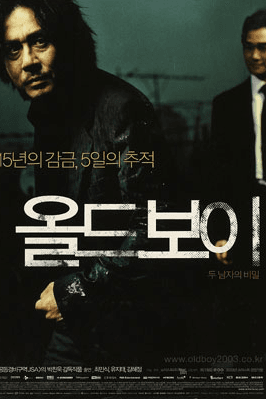
- [Cinematic Context: The New Vengeance] If you are looking for Classic Korean Movies for Beginners that push the boundaries of human emotion, Oldboy is the definitive choice. Part of Park Chan-wook’s “Vengeance Trilogy,” this film redefined the neo-noir genre with its gritty realism and philosophical depth.
- [The Visual Language: The Texture of Trauma] The cinematography of Oldboy relies on “Visual Friction.” The repetitive texture of the patterned wallpaper in Oh Dae-su’s private prison creates a sense of suffocating madness. The legendary 3-minute, one-take hallway fight is famous because it avoids the “Airy” polish of Hollywood action. Instead, it offers a raw, exhausted, and visceral experience. Every gasp for breath is real, making it a standout among Classic Korean Movies for Beginners for its technical honesty.
- [Cultural Impact: The Live Octopus and Global Shock] The scene where the protagonist eats a live octopus became a global symbol of the “raw power” of Korean cinema. It wasn’t just for shock value; it represented a primal reclamation of life after 15 years of eating processed “Mandu.” This visceral storytelling is why Park Chan-wook remains a titan in the world of Classic Korean Movies for Beginners.
- Where to Watch: Netflix (Region dependent), Apple TV.
3. Classic Korean Movies for Beginners 3: Memories of Murder (2003)
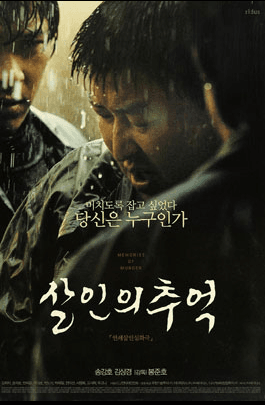
- [Cinematic Context: A Nation’s Memory] Many experts consider this the greatest of all Classic Korean Movies for Beginners. Based on Korea’s first serial killer case, it explores the transition of Korean society in the 1980s. Unlike Western police procedurals, it focuses on the internal failure and the “Han” (deep sorrow) of the detectives.
- [The Visual Language: The Golden Fields of Sorrow] The film’s aesthetic is defined by its “Poetic Realism.” The wide shots of the golden reeds where the bodies are found create a haunting contrast between natural beauty and human cruelty. This use of “Negative Space” allows the audience to feel the emptiness of the unsolved mystery. For a beginner, the ending—where Song Kang-ho stares directly into the camera—is an unforgettable moment of “Interactive Cinema.”
- [Cultural Impact: A 30-Year Justice] In 2019, the real killer was finally identified using modern DNA technology. This real-life conclusion added a new layer of legacy to the film, cementing its status as the most emotionally resonant of Classic Korean Movies for Beginners.
- Where to Watch: Criterion Channel, Amazon Prime.
These masterpieces didn’t appear out of nowhere. Learn more about the era that defined these films in our post: [The Golden Age of Korean Cinema in the 2000s].
4. Joint Security Area (2000) – The Secret Chocolate Pie
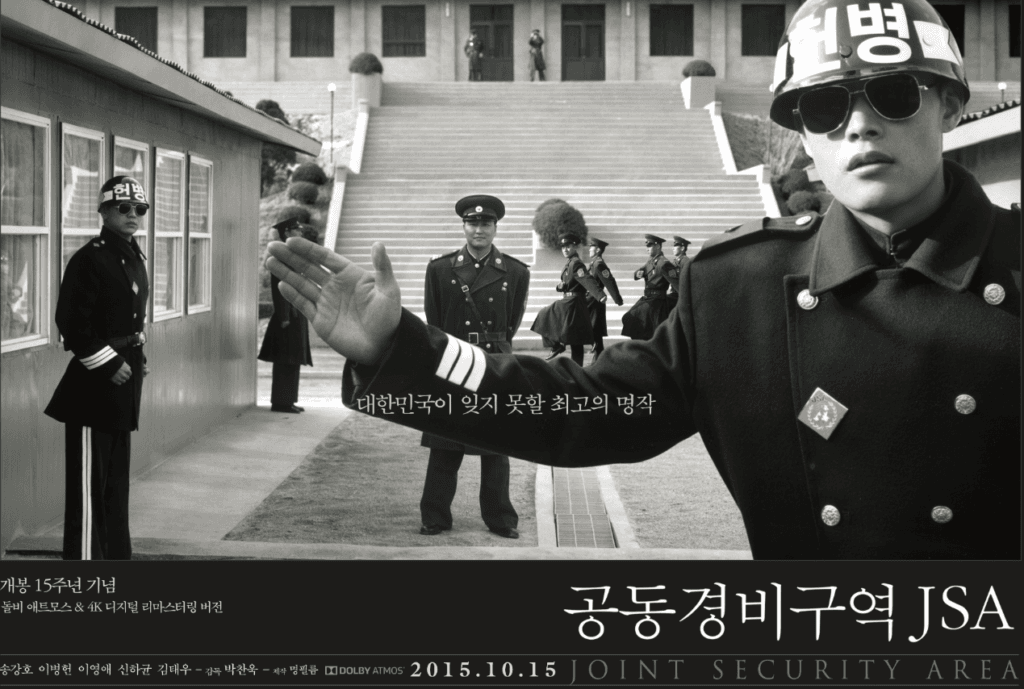
- [Cinematic Context: Crossing the Line] To understand the Korean heart, you must watch J.S.A. It is one of the few Classic Korean Movies for Beginners that dares to humanize the soldiers on both sides of the DMZ. It moved away from propaganda and toward “Humanism.”
- [The Visual Language: Symmetry and Separation] The director uses strict visual symmetry to represent the division of the peninsula. However, when the soldiers meet in the secret bunker, the frames become warmer and more “Airy,” representing the “Jeong” (invisible bond) that transcends political ideology. The simple act of sharing a “Choco Pie” becomes a powerful symbol of unity, a theme that frequently appears in high-quality Classic Korean Movies for Beginners.
- [Cultural Impact: The Power of a Snack] The Choco Pie used in the film became so iconic that it reportedly increased sales in real life and became a legendary black-market item in North Korea. This shows how Classic Korean Movies for Beginners can bridge political gaps through the language of shared humanity.
- Where to Watch: Tubi (Free).
5. Train to Busan (2016) – The “Breakdance” Zombies
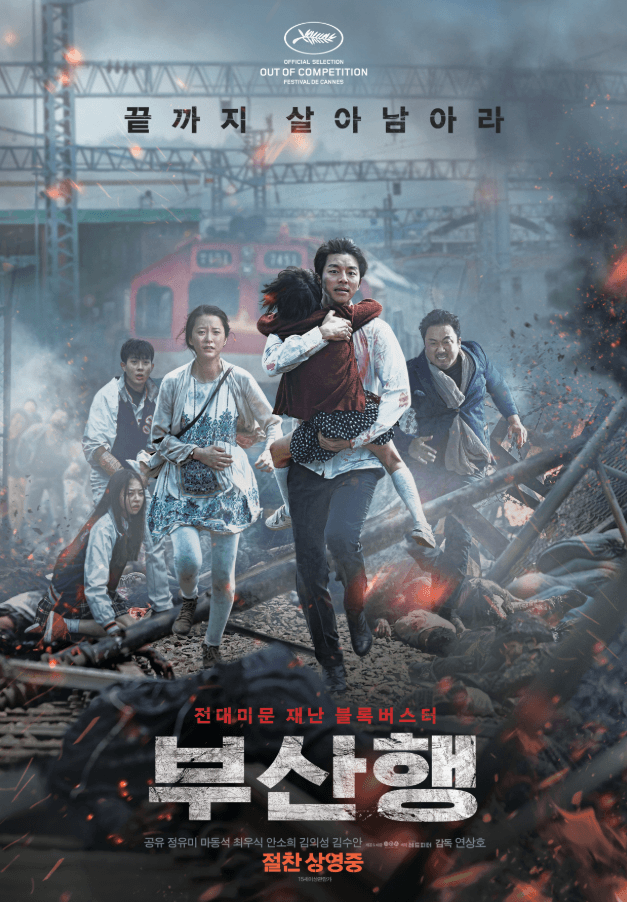
- [Cinematic Context: Horror with a Heart] While zombies are common in cinema, Train to Busan is unique among Classic Korean Movies for Beginners because it infuses horror with deep familial love. It’s not just about surviving monsters; it’s about what we are willing to sacrifice for those we love.
- [The Visual Language: Speed and Contortion] The “Breakdance Zombies” of this film changed the genre forever. By using professional dancers to create unnatural, bone-cracking movements, the film achieved a “Disturbing Elegance.” The tight, claustrophobic spaces of the KTX train cars create a high-tension “Minimalist Thriller” environment that keeps the audience on the edge of their seat.
- [Cultural Impact: The Global K-Zombie Wave] The success of Train to Busan paved the way for hits like Kingdom and All of Us Are Dead. It proved that Classic Korean Movies for Beginners could take a Western trope and reinvent it with a uniquely Korean soul, focusing on “Social Critique” rather than just gore.
- Where to Watch: Tubi, Amazon Prime.
The Secret Sauce: 3 Reasons Why Classic Korean Movies for Beginners are Unique
1. The Art of Genre-Bending: A Rollercoaster of Emotions
One of the most striking features of Classic Korean Movies for Beginners is their refusal to stay in one lane. In Hollywood, a comedy is a comedy, and a thriller is a thriller. However, Korean directors are masters of “Genre-Fluidity.”
Take Parasite or Memories of Murder as examples. They often start with lighthearted, almost slapstick humor, only to plunge the audience into deep tragedy or bone-chilling suspense within minutes. This unpredictable emotional rhythm keeps global audiences engaged. It mirrors the real-life complexity of Korean history—where joy and sorrow have always lived side-by-side. For a beginner, this means you never know what’s coming next, making the viewing experience incredibly dynamic.
2. Visceral Realism: Beauty in the Raw and Unfiltered
As a creator focused on minimalist aesthetics, I’ve noticed that Classic Korean Movies for Beginners prioritize “Tactile Honesty” over “CGI Perfection.” Whether it is the muddy fields in Memories of Murder or the sweat and exhaustion in Oldboy’s hallway fight, there is a raw, physical quality to the imagery.
Directors use “Transparent Sophistication” to ensure that the violence feels painful and the poverty feels damp. They don’t try to hide the “ugly” parts of life; instead, they find a “Quiet Intensity” within them. This commitment to realism is why Korean films feel so much more “alive” than many big-budget Western productions. It’s not about looking perfect; it’s about feeling real.
3. Social Satire as a Universal Language
Every great Classic Korean Movie for Beginners is, at its heart, a critique of the world we live in. They don’t just tell stories about individuals; they tell stories about systems—the education system, the wealth gap, or the corruption of power.
Because Korea underwent such rapid modernization, its filmmakers are hyper-aware of social friction. By using local Korean settings to explore universal themes like “Greed,” “Loyalty,” and “Survival,” these films act as a mirror for audiences in every country. This is why Classic Korean Movies for Beginners are so intellectually stimulating. You leave the theater not just entertained, but thinking deeply about your own place in society.
The Aesthetic Philosophy: Why Classic Korean Movies for Beginners Capture the Soul
The Architecture of Class: Space as a Silent Narrator
To understand why Classic Korean Movies for Beginners like Parasite fascinate the world, we must look at the “Verticality of Inequality.” In Korean cinema, space is never neutral; it is a weapon. The movement in these films is often downward—from the sun-drenched villa to the damp semi-basement. This spatial storytelling is a hallmark of Korean masters who use the environment to reveal the hidden layers of the human heart.
As a creator who values minimalist aesthetics, I find the “Negative Space” in these films deeply moving. Directors like Bong Joon-ho use wide, empty frames not to show beauty, but to emphasize the crushing loneliness of his characters. This “Airy yet Heavy” visual language is what defines the Classic Korean Movies for Beginners that have swept the Oscars and Cannes. When you watch these films, pay attention to the corners of the room and the shadows on the wall; they often tell more than the dialogue itself.
The “Jeong” and “Han” Frequency: The Emotional Engine of Hallyu
What truly separates Classic Korean Movies for Beginners from Hollywood blockbusters is the emotional frequency of “Jeong” (connection) and “Han” (sorrow).
- The Resilience of Han: This is not just sadness; it is a resilient sorrow born from a history of hardship. In Memories of Murder, the frustration of the detectives isn’t just about a failed case; it is the “Han” of a nation searching for justice in a chaotic era.
- The Bond of Jeong: In Joint Security Area, the secret friendship across the border is built on “Jeong”—the invisible thread that binds people even in a war zone. This emotional depth is why Classic Korean Movies for Beginners resonate so strongly with global audiences in 2026. They offer a “Transparent Sophistication” that allows viewers to feel a deep, visceral connection to characters from a completely different culture.
The “Glocally” Strategy: Hyper-Local Stories with Universal Truths
Why did the world fall in love with a story about a specific Korean snack (Choco Pie) or the unique architecture of a Seoul semi-basement? Because the best Classic Korean Movies for Beginners are “Hyper-Local.”
- Authentic Textures: By focusing on the specific smell of a basement or the precise sound of a rainy night in a crowded alley, directors create a sense of “Visual Honesty.”
- Global Resonance: While the setting is uniquely Korean, the themes of debt, family, and survival are universal. This is the “Secret Sauce” of Hallyu—taking a local Korean ingredient and cooking it in a way that the whole world can taste the truth. This is why Classic Korean Movies for Beginners feel both exotic and familiar at the same time.
The Technical Revolution: K-Zombies and Genre-Bending Mastery
Korean directors are the undisputed masters of “Genre-Bending.” A film like Oldboy is a mystery, an action flick, and a Greek tragedy all in one.
- The K-Zombie Innovation: Train to Busan redefined the zombie genre by adding “Parental Love” to the horror. In the West, zombies are often just faceless monsters; in Classic Korean Movies for Beginners, they are often our neighbors or family members, making the tragedy much more personal and painful.
- Cinematic Lighting: In 2026, the trend in K-cinema is “Emotional Architecture”—using layered lighting to create pools of intimacy. This technique mirrors the ShopGongi aesthetic of “Quiet Intensity,” where the beauty lies in what is hidden rather than what is shown.
The Mirror of Society: Cinema as a Tool for Change
Finally, Classic Korean Movies for Beginners are rarely just about entertainment. They are often “Social Mirrors” that reflect the anxieties and desires of the people. From the critique of the police force in Memories of Murder to the examination of the wealth gap in Parasite, these films have the power to spark real-world conversations.
This courage to critique their own society is what makes Korean filmmakers so respected globally. They don’t just tell stories; they challenge the status quo. For a beginner, this adds a layer of intellectual stimulation that makes the viewing experience much more rewarding. You aren’t just watching a movie; you are engaging with the soul of a nation that is constantly evolving and questioning itself.
Your Journey into the Heart of Korea
Watching Classic Korean Movies for Beginners is an invitation to see the world through a more empathetic and sophisticated lens. These 5 films are merely the threshold to a vast and beautiful world. As you dive deeper into the works of master directors, you will discover that Korean cinema is a mirror reflecting our shared human experience—seasoned with a flavor that is uniquely and undeniably Korean.
Related Articles
- 10 Best Korean Movies – Must-watch masterpieces of Korean cinema.
- Parasite Review – Hidden symbols and social commentary explained
- 90s Korean Movie Culture – The creative revolution that started Hallyu
- The Unique Storytelling Style of Korean Films: – 5 narrative techniques that define Korean cinema