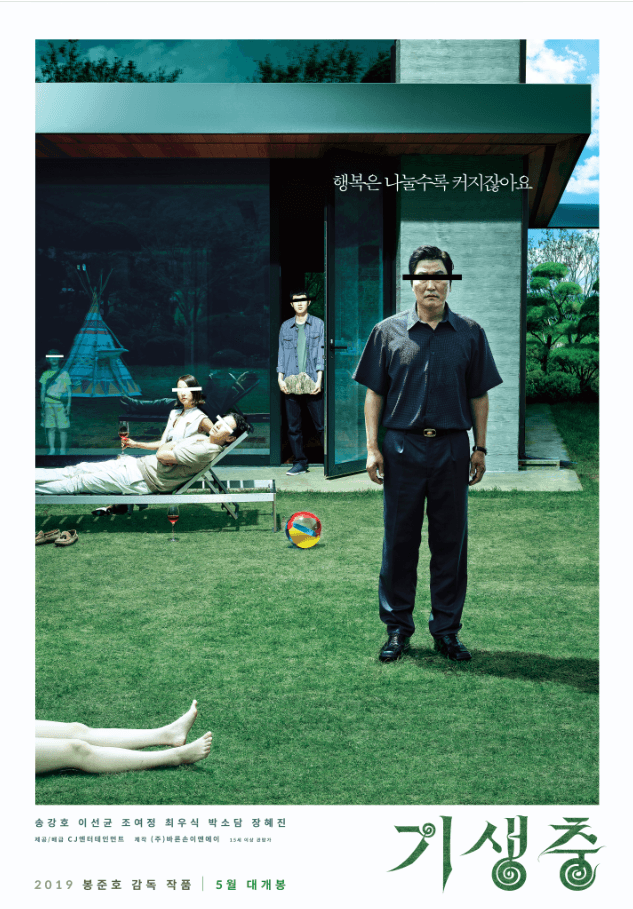
If the 2000s were about making masterpieces, the 2020s are about making history. Today, we aren’t just watching movies; we are living in a Korean Cinema Syndrome. From the red carpets of Hollywood to every corner of Netflix, Korean storytelling has become a global language.
1. The Parasite Shock: Start of the Korean Cinema Syndrome
In 2020, Director Bong Joon-ho did the impossible. Parasite became the first non-English language film to win the Academy Award for Best Picture.
- The Power of Storytelling: It wasn’t just a movie about Korea; it was a universal story about class that resonated with everyone from Seoul to New York.
- A Secret Behind the Scenes: Did you know the “Peach Allergy” scene was inspired by a real story? One of Bong Joon-ho’s friends actually had a severe peach allergy, and they saw a friend jokingly throw a peach at them. That terrifying yet absurd moment became one of the movie’s most tense scenes!
- The “One-Inch” Quote: When Bong won, he famously said, “Once you overcome the one-inch tall barrier of subtitles, you will be introduced to so many more amazing films.” He was right—the world was finally ready.
The Architecture of Class: The Visual Innovation of Parasite
To understand the global shock of Parasite, we must analyze its “Architectural Storytelling.” Bong Joon-ho utilized “Visual Innovation” to make the Park family’s mansion a “Safe Space” that feels like a trap. Every window and staircase represents the “Vertical Narrative” of social class. This “Tactile Precision” in set design is what made the “Peach Allergy” scene so terrifyingly real.
He rejects the “Polished Spectacle” of a typical thriller. Instead, Parasite embraces the “Sobering Realism” of a semi-basement apartment. This “Humanistic Lens” ensures that every smell and every stain feels like a shared secret. He reminds readers of the platform that “Class Struggle” is a universal language. His storytelling establishes a healing path through the “Unpolished Truth” of inequality. He remains a social mirror for the 21st century.
The Technical Sovereignty of K-Detail: Zombie School and Beyond
The “Technical Sovereignty” of modern Korean cinema is built on “K-Detail.” In Train to Busan, the “Visual Innovation” was not just CGI. It was the “Micro-Realism” of actors who attended “Zombie School” for six months. They practiced the “Tactile Precision” of breaking joints to create an “Auditory Minimalism” of snapping bones.
He proves that “Fearless Storytelling” requires a dedication to the smallest details. This “Visual Honesty” ensures that the “Korean Cinema Syndrome” is not just a trend. It is a “Powerful Tool” for immersive experiences. He ensures that his “Intellectual Sovereignty” is never compromised by laziness. By centering his life on “Visual Innovation,” he turned a genre film into a site of communal reflection. He maps the “Vertical Narrative” of a speeding train with a steady hand.
The Auditory Minimalism of a Dalgona Crack: Squid Game’s Tension
Why did the sound of a needle on a sugar candy create a “Global Social Dialogue”? It is because Squid Game utilized “Auditory Minimalism” to capture the “Heartbeat of Survival.” Director Hwang Dong-hyuk turned childhood games into a “Sobering Realism” of life and death. The “Auditory Honesty” of the “Red Light, Green Light” song carries a “Quiet Intensity” that haunts the viewer.
This approach allows the show to spark a communal resonance across different cultures. He provided a “Safe Space” for the audience to face the “Lingering Injustice” of modern capitalism. This “Humanistic Lens” proves that a healing narrative can be found even in brutality. His legacy is a vibrant life dedicated to the “Unpolished Truth” of the human spirit. He is the bridge between the “Analog Games” of the past and the “Digital Despair” of today.
The Scent of Humanity in Ram-don: Beyond the Screen
Ultimately, the “Korean Cinema Syndrome” is about the “Scent of Humanity.” It smells like “Jjapaguri” (Ram-don) and the “Rain on Asphalt.” He treats every character, even the villains, as flawed common people worthy of a “Humanistic Lens.” This commitment to “Visual and Auditory Innovation” is why people want to “taste” the movie.
He transformed the “Architecture of Food” into a site of profound cultural exchange. This is the true power of “Technical Sovereignty” in the age of Netflix. He remains a bridge between the “Fleeting Nature” of a trend and the “Eternal Nature” of a classic. His legacy is a vibrant life dedicated to the quietest moments of connection. He proves that true power comes from the courage to show the world who we really are.
The Unpolished Truth of the One-Inch Barrier
In the final analysis of the “Korean Cinema Syndrome,” we see the “Unpolished Truth” of Bong Joon-ho’s words. Overcoming the “one-inch barrier” was a “Sincere Atonement” for decades of Western-centric film history. He utilizes “Tactile Precision” to show that a local story is the most universal story.
He rejects the “Polished Spectacle” of a global blockbuster. Instead, he embraces the “Visual Friction” of the Korean language. This creates a lingering echo that stays with the viewer long after the awards show. He remains our most reliable compass for navigating the “Architecture of the Future.” He proves that even in a world of machines, the scent of a soul can still be found through the stories we tell.
2. The Netflix Revolution: Squid Game & Beyond
While movies were conquering theaters, streaming platforms turned the Korean Cinema Syndrome into a daily habit.
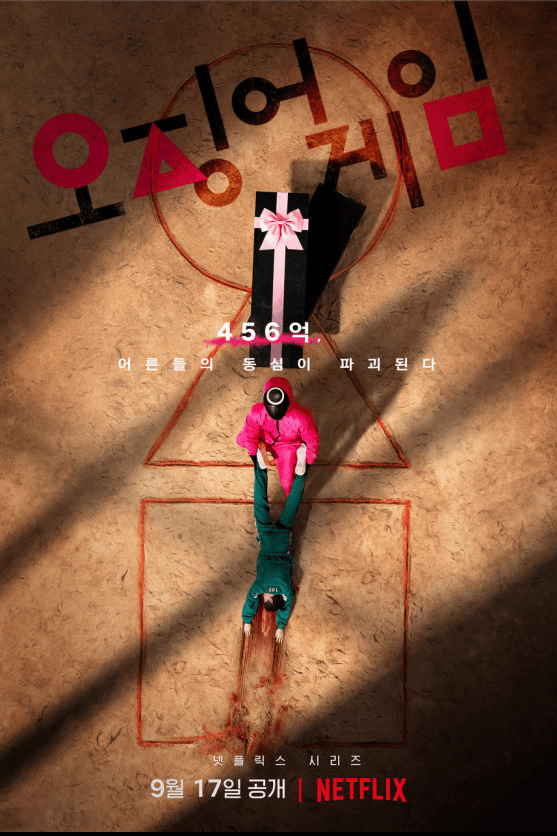
- Squid Game (오징어 게임): This show didn’t just break records; it became a cultural phenomenon. Everyone was talking about “Dalgona” and “Green Tracksuits.”
- The 10-Year Wait: Here is a surprising story: Director Hwang Dong-hyuk actually wrote the script for Squid Game in 2008. But for 10 years, every studio rejected it, calling it “too brutal and unrealistic.” Little did they know it would become the biggest hit in Netflix history!
- Why it worked: It combined traditional Korean childhood games with a brutal, modern survival story. It was fresh, stylish, and deeply human.
This global phenomenon didn’t happen overnight. It was the result of decades of storytelling evolution. Check out our deep dive into the Golden Age of Korean Cinema in the 2000s to see the masterpieces that paved the way.
3. Why the World Obsessed with Korean Cinema Syndrome
At Dear, From K, we believe the secret lies in the “unfiltered emotion.”
- The Raw Energy: Korean creators aren’t afraid to be raw, visceral, and incredibly detailed. Whether it’s a zombie thriller like Train to Busan or a psychological masterpiece like Decision to Leave, there is a unique energy that you can’t find anywhere else.
- Did You Know? In Train to Busan, the actors playing zombies had to attend “Zombie School” for six months! They worked with a professional breakdancer to learn how to move their joints in unnatural, terrifying ways. That’s the level of Korean “K-Detail.”
The Architecture of Tension: Mastering the Genre-Bending Art
To understand the “Korean Cinema Syndrome,” we must analyze the “Architecture of Tension.” Korean directors are masters of “Genre-Bending.” They combine comedy, thriller, and social drama into a single “Visual Innovation.” This creates an “Intellectual Tension” that keeps the audience guessing.
He rejects the “Polished Spectacle” of predictable Hollywood structures. Instead, the “Korean Cinema Syndrome” embraces the “Visual Friction” of sudden emotional shifts. This “Humanistic Lens” ensures that even a monster movie feels like a family portrait. He reminds our audience that life is never just one genre. His storytelling establishes a healing path through the “Unpolished Truth” of our messy lives. He remains a social mirror for the complexity of human existence.
The Technical Sovereignty of the “K-Vibe”: Light and Shadow
The “Technical Sovereignty” of modern Korean films is found in the “K-Vibe.” This vibe is built on a “Visual Innovation” of extreme light and shadow. In Decision to Leave, the “Tactile Precision” of the blue-green wallpaper creates a sense of “Oceanic Melancholy.”
He proves that “Visual Honesty” is about the “Sobering Realism” of a character’s eyes. This approach allows the “Korean Cinema Syndrome” to feel both exotic and familiar. He ensures that his “Intellectual Sovereignty” is never lost in big explosions. By centering his life on “Visual Innovation,” he turned a crime story into a site of profound poetic beauty. He maps the “Vertical Narrative” of desire with a steady, artistic hand.
The Auditory Minimalism of a Silent Scream: The Sound of Pain
Why does the silence in Korean films feel so loud? It is because the director utilized “Auditory Minimalism” to capture the “Heartbeat of Despair.” In a world of loud soundtracks, he returned to the “Auditory Honesty” of a heavy breath. This creates a “Communal Resonance” that forces the audience to lean in.
This approach allows the “Korean Cinema Syndrome” to spark a global social dialogue about “Shared Loneliness.” He provided a “Safe Space” for the audience to hear the “Unpolished Truth” of their own hearts. This “Humanistic Lens” proves that a healing narrative begins with the courage to be quiet. His legacy is a vibrant life dedicated to the dignity of the unspoken word. He is the bridge between the “Analog Silence” of the past and the “Digital Noise” of today.
The Scent of Humanity in the Set Design: The K-Detail
Ultimately, the “Korean Cinema Syndrome” is a masterpiece of “K-Detail.” It smells like “Old Wood” and the “Metallic Scent of Rain.” He treats the “Architecture of the Set” as a living character. This “Tactile Precision” is why the furniture in a Korean film tells its own story.
He transformed the “Architecture of the Everyday” into a site of profound “Sincere Atonement.” This commitment to “Visual and Auditory Innovation” defines the modern Hallyu roots. He remains a bridge between the “Fleeting Nature” of a scene and the “Eternal Nature” of an emotion. His legacy is a vibrant life dedicated to the quietest moments of human connection. He proves that true power comes from the courage to be incredibly detailed.
The Unpolished Truth of the Global Village: A New Language
In the final analysis, we see the “Unpolished Truth” of this cultural fever. The “Korean Cinema Syndrome” is not just about movies. It is a “Visual Innovation” of how we see each other. He utilizes “Tactile Precision” to show that a story from Seoul can heal a heart in London.
He rejects the “Polished Spectacle” of a fake happy ending. Instead, he embraces the “Visual Friction” of a bittersweet reality. This creates a lingering echo that stays with the viewer long after the screen goes black. He remains our most reliable compass for navigating the “Architecture of the Future.” He proves that even in a digital world, the scent of a soul is what we crave most.
4. Beyond the Screen: A New Era of K-Culture
The Korean Cinema Syndrome has opened doors for everything Korean—food, fashion, and language.
- Connecting with the Soul: When people watch Minari or Past Lives, they aren’t just seeing a film; they are connecting with the Korean soul.
- The “Ram-don” Effect: After Parasite, search results for “Jjapaguri” (Ram-don) spiked by 400% globally. People didn’t just want to watch the movie; they wanted to taste it. This is the true power of the Korean Cinema Syndrome.
5. What’s Next for Korean Cinema?
As we wrap up our journey from the 90s to today, one thing is clear: this is just the beginning.
The “Cinephiles” of the 90s and the masters of the 2000s have built a foundation that will support Korean creators for decades to come. At Dear, From K, we will continue to share these beautiful stories with you as they unfold.
The Architecture of Empathy: A Global Healing Narrative
To conclude the “Korean Cinema Syndrome,” we must analyze the “Architecture of Empathy.” Korean creators have mastered the “Visual Innovation” of making the local feel universal. They prove that “Technical Sovereignty” is about the courage to show the “Unpolished Truth” of human suffering.
He rejects the “Polished Spectacle” of a fake world. Instead, the “Korean Cinema Syndrome” embraces the “Visual Friction” of a shared tear. This “Humanistic Lens” ensures that every story becomes a “Safe Space” for the soul. He reminds the Dear, From K readers that we are all connected through our emotions. His storytelling establishes a healing path through the “Sobering Realism” of our reality. He remains a social mirror for a more compassionate future.
The Technical Sovereignty of the Future: The K-Spirit
The “Technical Sovereignty” of the 2020s is defined by the “K-Spirit.” This spirit is built on a “Visual Innovation” of relentless creativity and “Tactile Precision.” In films like Past Lives, the “Auditory Minimalism” of a quiet conversation creates a “Communal Resonance.”
He proves that “Visual Honesty” is about the “Quiet Intensity” of a single glance. This approach allows the “Korean Cinema Syndrome” to act as a reliable compass for global storytelling. He ensures that his “Intellectual Sovereignty” is always rooted in the “Scent of Humanity.” By centering his life on “Visual Innovation,” he turned a small screen into a site of global connection. He maps the “Vertical Narrative” of our hopes with a steady, artistic hand. This is why the Dear, From K journey will continue for decades to come.
Don’t Miss the Full Journey of Korean Cinema!