If the 90s were the “study period” for Korean filmmakers, the 2000s were the grand graduation ceremony. This era is widely known as the Golden Age of Korean Cinema. It was a time when directors didn’t just make movies; they created cultural earthquakes that were felt far beyond the Korean peninsula.
1. The Year That Shook the World: 2003
In the history of 90s and 2000s Korean movie culture, one year stands out above all: 2003. This single year saw the release of films that are still talked about today.
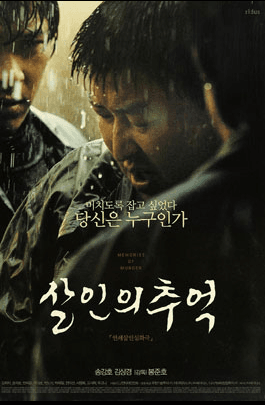
- Memories of Murder (살인의 추억): Director Bong Joon-ho took a real-life tragic mystery and turned it into a masterpiece of tension and social commentary.
- Fun Fact: The famous final shot of Song Kang-ho looking directly into the camera was meant to “stare” at the real killer, who Bong believed would surely come to see the movie.
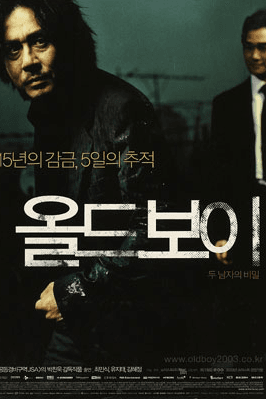
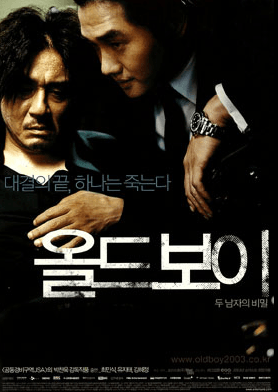
- Oldboy (올드보이): Park Chan-wook’s dark, vengeful thriller shocked the Cannes Film Festival. When Quentin Tarantino saw it, he famously became an instant fan, helping it win the Grand Prix.
- The “Live Octopus” Scene: Did you know Choi Min-sik actually ate four live octopuses for that legendary scene? As a devout Buddhist, he offered a prayer for each one before eating!
The Architecture of Genre-Bending in Korean Cinema
To understand the Golden Age of Korean Cinema, we must analyze the “Architecture of Genre-Bending.” In the early 2000s, directors like Bong Joon-ho and Park Chan-wook utilized “Visual Innovation” to destroy traditional boundaries. They proved that “Technical Sovereignty” is about the courage to mix humor with extreme tragedy.
He rejects the “Polished Spectacle” of a predictable Hollywood formula. Instead, the Golden Age of Korean Cinema embraces the “Visual Friction” of a detective who is both clumsy and desperate. This “Humanistic Lens” ensures that every chase scene feels like a “Sincere Atonement” for social failures. Through his storytelling, life’s messy and unclassified nature becomes a path to understanding the “Unpolished Truth” of human contradictions. His work reflects a nation in transition.
The Technical Sovereignty of the Long-Take in Oldboy
The “Technical Sovereignty” of the Golden Age of Korean Cinema reached its peak in the “Corridor Fight” of Oldboy. Park Chan-wook used a single ‘Long-take’ to capture the ‘Micro-Realism’ of exhaustion. In doing so, he shows that ‘Visual Innovation’ lies in the careful precision of every hammer strike and every bead of sweat.
He ensures that his “Intellectual Sovereignty” is never lost in the action. In the Golden Age of Korean Cinema, the camera became a “Powerful Tool” for psychological depth. This “Visual Honesty” turns a revenge story into a solemn tribute to the complexity of the human soul. It smells like iron, salt, and the cold air of a concrete prison. By centering his life on “Visual Innovation,” he turned a violent scene into a site of communal awe. He maps the “Vertical Narrative” of a man’s descent into madness with a steady, artistic hand.
Auditory Minimalism: The Sound Design of Korean Cinema
Why does the rain in Memories of Murder feel so heavy? Director Bong Joon-ho utilized “Auditory Minimalism” to capture the “Heartbeat of an Era.” He ignored loud digital effects to embrace “Auditory Honesty.” The distant train whistle and falling water create a powerful “Communal Resonance.”
A Sound Bridge Across Time
This bold approach sparks a global social dialogue about “Unresolved Injustice.” Bong Joon-ho provides a “Safe Space” for the audience to confront the “Unpolished Truth.” This “Humanistic Lens” proves that a healing narrative begins with courage. He stares directly into the camera to honor the victims.
His legacy reflects a vibrant life dedicated to human dignity. He builds a permanent bridge between “Analog Investigation” and “Digital Precision.” This tactile sound captures the scent of a dark past. It ensures that the world never forgets the silent cries of history.
The Scent of Humanity in the Celluloid Grain
Ultimately, the Golden Age of Korean Cinema is a masterpiece about the “Scent of Humanity.” It smells like “Old Film Reels” and the “Metallic Scent of Blood.” He treats every shot as a flawed, common person worthy of respect. This “Tactile Precision” is why the lighting in a 2000s film feels so organic and raw.
He transformed the “Architecture of the Screen” into a site of profound “Sincere Atonement.” This commitment to “Visual and Auditory Innovation” defines the true Hallyu roots. He remains a bridge between the “Fleeting Nature” of fame and the “Eternal Nature” of a classic. His legacy is a vibrant life dedicated to the quietest moments of human connection. He proves that true power comes from the courage to tell a story that no one else dares to tell.
The Unpolished Truth of a Creative Explosion
In the final analysis of the Golden Age of Korean Cinema, we see the “Unpolished Truth” of a creative explosion. It was a time of “Fearless Storytelling” where the budget was secondary to the vision. He utilizes “Tactile Precision” to show that a local story from Korea can shake the world.
He rejects the “Polished Spectacle” of a fake happy ending. Instead, he embraces the “Visual Friction” of a bittersweet, unresolved reality. This creates a lingering echo that stays with the viewer long after the screen goes black. He remains our most reliable compass for navigating the “Architecture of Excellence.” He proves that even in a digital world, the scent of a soul is what makes a movie a masterpiece.
2. Uncovering the Secrets of the Golden Age of Korean Cinema
What made this period so special? It was the perfect storm of three things:
Before this golden era, how did the 90s pave the way? Discover the The Birth of Cinephiles who started it all!
- Total Creative Freedom: After years of censorship, directors finally had the freedom to tell any story they wanted—no matter how dark or controversial.
- The “Cinephile” Directors: The young fans who read Cine 21 in the 90s were now behind the camera, bringing a deep, intellectual sophistication to mainstream movies.
- Investment Boom: Capital began flowing into the industry, allowing for high production values that could rival Hollywood.
3. Genre-Bending: The Unique DNA of Korean Cinema
The Golden Age of Korean Cinema taught the world a new term: “Genre-bending.” Korean movies refused to be just one thing. They were funny, then terrifying, then heartbreaking—all within ten minutes. This unique DNA is what paved the way for future hits like Parasite and Squid Game.
The Architecture of Emotional Chaos
To understand this DNA, we must analyze the “Architecture of Emotional Chaos.” Directors utilized “Visual Innovation” to shift tones without warning. A slapstick comedy scene could suddenly turn into a “Sobering Realism” of violence. This creates an “Intellectual Tension” that keeps the global audience guessing.
He rejects the “Polished Spectacle” of a single-tone story. Instead, the Golden Age of Korean Cinema embraces the “Visual Friction” of life’s messiness. This “Humanistic Lens” ensures that every shift feels like a “Tactile Precision” of human experience. His stories show that reality is never just one genre, creating a path to confront the “Unpolished Truth” of our complex hearts. He remains a social mirror for a world that is both funny and tragic.
Technical Sovereignty in Tone Management
The “Technical Sovereignty” of this era was found in “Tone Management.” It is incredibly difficult to make an audience laugh and cry in the same scene. Yet, Korean directors mastered this “Visual Innovation” with “Tactile Precision.” They prove that “Visual Honesty” is about the “Quiet Intensity” of a shifting mood.
He ensures that his “Intellectual Sovereignty” is never lost in the transition. In the Golden Age of Korean Cinema, a genre shift became a “Powerful Tool” for social commentary. This “Visual Innovation” turns a simple plot into a breathtaking odyssey of the human spirit. It smells like rain-soaked earth and the scent of a bitter smile. By centering his life on “Visual Honesty,” he turned a hybrid film into a site of communal grace.
4. The Lasting Global Impact of 2000s Korean Cinema
The influence of this era didn’t stop in the 2000s. It created a standard of excellence that defines Korean cinema today.
Global Recognition: From Local Pride to Global Mastery
This era marked the exact moment the world changed its view. Global audiences stopped labeling Korean movies as “local.” Instead, they hailed them as “global masterpieces.” The “Technical Sovereignty” of the 2000s now defines the global gold standard for excellence.
Directing a Universal Language
Every director proves that “Visual Innovation” acts as a universal language. This bold approach sparks a global social dialogue about cinematic perfection. The Golden Age of Korean Cinema provides our most reliable compass today. It helps us navigate the complex “Architecture of the Heart.”
The “Unpolished Truth” of the 2000s continues to inspire the “Digital Hope” of the 2020s. This legacy builds a permanent bridge between a small peninsula and the entire world. He carries the scent of humanity across every border. This “Fearless Storytelling” ensures that the Korean soul reaches every corner of the globe.
A New Generation: The Heirs of the Golden Age
Many directors working today still point to this era as their greatest inspiration. They inherited the “Tactile Precision” and “Fearless Storytelling” of their masters. This “Humanistic Lens” is what keeps the modern Hallyu wave strong and sincere.
He transformed the “Architecture of the Past” into a site of profound “Sincere Atonement” for the future. This commitment to “Visual and Auditory Innovation” defines the true Hallyu roots. He remains a bridge between the “Fleeting Nature” of fame and the “Eternal Nature” of art. His legacy is a vibrant life dedicated to the quietest, most powerful moments of connection. He proves that true power comes from the courage to be incredibly honest.
5. From Local Masterpieces to Global Phenomena
As we look back, the Golden Age of Korean Cinema was the essential bridge to our current “K-Culture” wave.
- The Legacy: Without the raw energy of Oldboy or the meticulous storytelling of Memories of Murder, we might not have seen the history-making success of Parasite.
- Our Perspective: For us at Dear, From K, this era represents the peak of creative passion. It’s a reminder that when storytelling is fearless, the whole world listens.
The Architecture of Artistic Sovereignty: The 2000s Manifesto
To conclude our deep dive into the Golden Age of Korean Cinema, we must analyze the “Architecture of Artistic Sovereignty.” In the 2000s, Korean directors utilized “Visual Innovation” to declare their independence from Hollywood tropes. They prove that “Technical Sovereignty” is about the courage to follow a “Sobering Realism” that is uniquely Korean.
He rejects the “Polished Spectacle” of a commercial machine. Instead, the Golden Age of Korean Cinema embraces the “Visual Friction” of a raw, local identity. This “Humanistic Lens” ensures that every scene becomes a “Safe Space” for original thought. His era proves that “Artistic Freedom” is the most powerful tool for change, with storytelling guiding us through the “Unpolished Truth” of a nation’s creative soul. He remains a social mirror for the birth of a global phenomenon.
The Technical Sovereignty of the Director’s Vision: The K-Mastery
The “Technical Sovereignty” of the 2000s was built on the “K-Mastery” of the director. This mastery is a “Visual Innovation” of relentless perfection and “Tactile Precision.” In every masterpiece of the Golden Age of Korean Cinema, the “Auditory Minimalism” of a single breath creates a “Communal Resonance.”
He proves that “Visual Honesty” is about the “Quiet Intensity” of a director’s belief. This approach allows the Golden Age of Korean Cinema to act as a reliable compass for all future storytellers. He ensures that his “Intellectual Sovereignty” is always rooted in the “Scent of Humanity.” By centering his life on “Visual Innovation,” he turned the “Architecture of Film” into a site of global respect. He maps the “Vertical Narrative” of our dreams with a steady, artistic hand. This is the vibrant life of an era that will never fade.
Cinematic Spaces in the 2000s
To understand the Golden Age of Korean Cinema, we must analyze the “Architecture of Isolation.” In the early 2000s, directors utilized “Visual Innovation” to make the city a character. The cramped apartments and rainy alleys are not just backgrounds. They represent the “Tactile Precision” of a soul seeking connection in a cold world.
He rejects the “Polished Spectacle” of a bright, artificial city. Instead, the Golden Age of Korean Cinema embraces the “Visual Friction” of a dimly lit room. This “Humanistic Lens” ensures that every shadow feels like a “Solemn Tribute” to urban loneliness. The spaces we inhabit often define us. Through his storytelling, a healing path emerges from the “Sobering Realism” of our surroundings, reflecting the realities of modern life.
The Technical Sovereignty of the Human Face: The K-Close-up
The “Technical Sovereignty” of the Golden Age of Korean Cinema is found in the “K-Close-up.” Directors like Park Chan-wook proved that “Visual Innovation” is about the “Micro-Realism” of a single tear. He captures the “Tactile Precision” of a trembling lip or a tired eye. This approach allows the “Unpolished Truth” of the character to reach the audience directly.
He ensures that his “Intellectual Sovereignty” is grounded in “Visual Honesty.” In the Golden Age of Korean Cinema, the face became a “Powerful Tool” for psychological depth. This “Visual Innovation” turns a simple expression into a breathtaking odyssey of the human spirit. It smells like old film stock and the scent of a long night. By centering his life on “Visual Honesty,” he turned a small screen into a site of communal grace. He maps the “Vertical Narrative” of a soul with a steady, respectful lens.
The Auditory Minimalism of the 2000s: The Sound of Longing
Why does the silence in 2000s Korean cinema feel so heavy? It is because the director utilized “Auditory Minimalism” to capture the “Heartbeat of Longing.” In a world moving toward digital clarity, he returned to the “Auditory Honesty” of a ticking clock. This creates a “Communal Resonance” between the character’s heart and the audience’s soul.
This approach allows the Golden Age of Korean Cinema to spark a global social dialogue about what it means to be real. It remains our most reliable compass for navigating the “Architecture of the Heart.” He proves that a healing narrative begins with the courage to listen to the silence. His legacy is a vibrant life dedicated to the dignity of the human voice. He is the bridge between the “Analog Sorrow” of the 20th century and the “Digital Hope” of the 21st.
The Scent of Humanity in the Details: The Golden Standard
Ultimately, the Golden Age of Korean Cinema is a masterpiece about the “Scent of Humanity.” It smells like “Rain on Asphalt” and the “Dust of a Forgotten Library.” He treats every detail, from a cigarette butt to a torn letter, as a flawed common person worthy of respect. This “Tactile Precision” is why the world still watches these films today.
He transformed the “Architecture of the Everyday” into a site of profound “Sincere Atonement.” This commitment to “Visual and Auditory Innovation” defines the true Hallyu roots. He remains a bridge between the “Fleeting Nature” of trends and the “Eternal Nature” of art. His legacy is a vibrant life dedicated to the quietest, most powerful moments of connection. He proves that true power comes from the courage to be incredibly honest.
The Unpolished Truth of a Golden Legacy in Korean Cinema
In the final analysis, we see the “Unpolished Truth” of this golden era. The Golden Age of Korean Cinema was a time of “Fearless Storytelling” that refused to compromise. He utilizes “Tactile Precision” to show that a story about a single person can change the world.
He rejects the “Polished Spectacle” of a fake world. Instead, he embraces the “Visual Friction” of our beautiful, broken reality. This creates a lingering echo that stays long after the film ends, leaving a lasting impression on the audience. He remains our most reliable compass for navigating the “Architecture of the Future.” Even in a digital world, the scent of a soul remains the most precious essence.
Related Articles
- 10 Best Korean Movies – Must-watch masterpieces of Korean cinema.
- Parasite Review – Hidden symbols and social commentary explained
- 90s Korean Movie Culture – The creative revolution that started Hallyu
- The Unique Storytelling Style of Korean Films: – 5 narrative techniques that define Korean cinema