A Journey into “The King’s Warden”: A Travel Guide to Cheongnyeongpo
In 2026, the historical film “The King’s Warden” touched audiences across Korea with the heartbreaking story of the young King Danjong of Joseon, who was exiled at the age of twelve. While the film moved audiences with its emotional depth, it also revealed one of Korea’s most beautiful and historically profound places: Cheongnyeongpo.
Today, visitors are drawn to this quiet riverside landscape to experience the real setting behind the story. If you are planning a trip, this guide will show you exactly how to visit the filming locations of The King’s Warden—including transportation from Seoul, the best photo spots, and an easy one-day itinerary.
The Cinematic Backdrop: Where History Meets the Lens
What “The King’s Warden” is About (Plot Summary) The film follows the tragic exile of King Danjong (played with haunting vulnerability) after he was usurped by his uncle, Grand Prince Suyang. It focuses on the silent, profound bond between the boy-king and his last remaining loyal guard, the “Warden,” who protects him not just from physical threats, but from the crushing weight of loneliness. The climax of the film—the “Parting at the River”—was filmed right here at Cheongnyeongpo, capturing the moment their fate was sealed by the flowing waters.
The Deeper Meaning: Isolation and the “Shadow of the Throne” Beyond the historical facts, The King’s Warden is a meditation on the fragility of power and the strength of human loyalty. Cheongnyeongpo serves as a physical manifestation of Danjong’s internal state: a beautiful but inescapable prison. The river surrounding the land on three sides represents a boundary that neither the king nor his warden could ever truly cross, transforming a scenic landscape into a symbol of eternal longing—the “Shadow of the Throne.”
Deep Dive: The Metaphysics of Exile and the Aesthetics of “The King’s Warden”
The Geography of Sorrow: Why Cheongnyeongpo is a “Natural Prison”
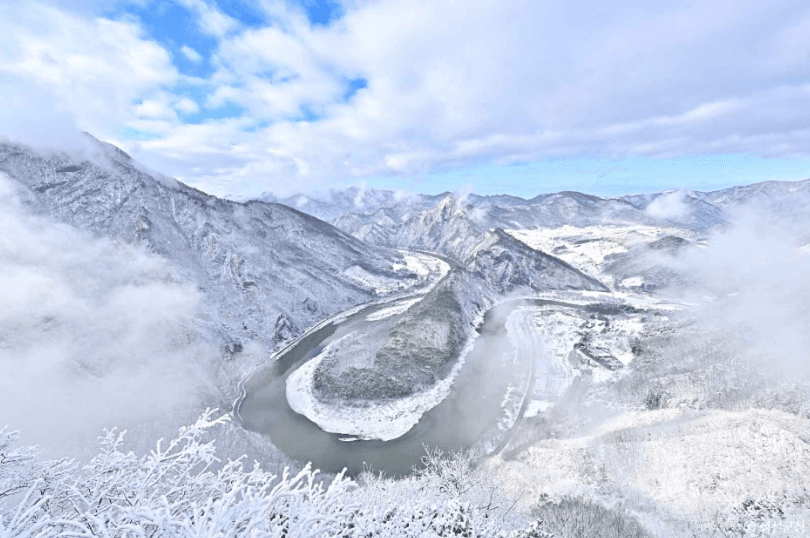
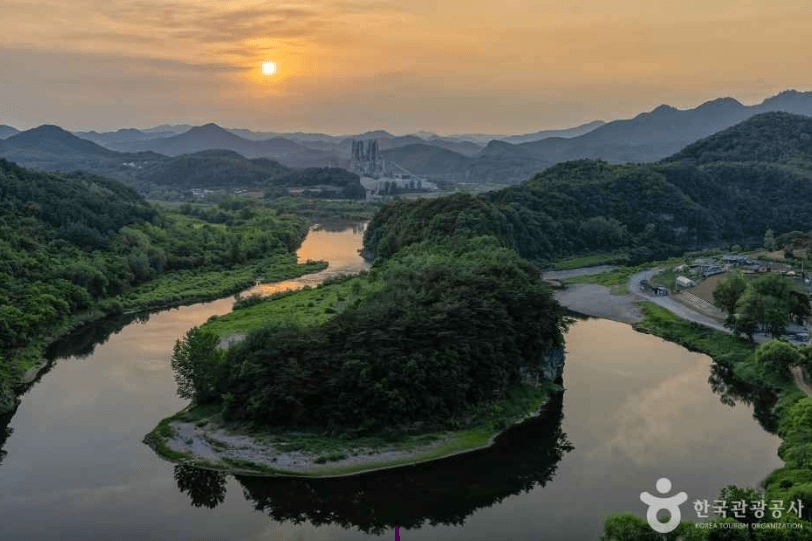
To truly understand the emotional weight of The King’s Warden, one must look at the paradoxical geography of Cheongnyeongpo. It is a place of breathtaking beauty that functions as a ruthless prison. Surrounded by the deep, swirling waters of the Seogang River on three sides and cut off by the sheer limestone cliffs of Giam-yeolseok on the fourth, it is an island on land.
In the film, the director uses the “Water Boundary” as a recurring visual motif. The river isn’t just a scenic element; it represents the “Severed Connection” between the child-king and his rightful world in the capital. When you stand on the pebble beach, you feel a sense of “Airy Isolation.” The air is fresh and the pines are fragrant, yet the inability to cross the water without a boat creates a quiet psychological pressure—one that mirrors Danjong’s 15th-century reality.
The “Warden” Archetype: A Study in Silent Loyalty (Jeong and Chung)
The character of the “Warden” in the 2026 film serves as the audience’s emotional anchor. He represents the pinnacle of “Chung” (Loyalty), but a version that is filtered through “Jeong” (Affection).
- Beyond Duty: In traditional Joseon history, loyalty was often a rigid, legalistic obligation. However, The King’s Warden reinterprets this as a protective, almost fatherly bond.
- The Language of Silence: Notice how the Warden has very few lines. His loyalty is expressed through “Minimalist Action”—the way he stands in the rain or prepares a simple meal. This “Silence as Strength” is a key element of the Korean aesthetic of resilience.
The Gwanum-song Pine: A Living Witness of 600 Years
One of the most powerful filming locations is the Gwanum-song (The Witness Pine). This tree is not a prop; it is a 600-year-old natural monument that stood there when the real King Danjong wept.
- The “Gwan” (To See) and “Um” (To Hear): The name literally means “To see the King’s appearance and hear his cries of sorrow.”
- Cinematic Texture: In the movie, the director films this tree with high-contrast lighting to emphasize its twisted, scarred bark. It serves as a visual metaphor for the King’s survival—weathering storms of betrayal while remaining rooted in dignity.
The “Shadow of the Throne” vs. The “Light of the River”
The film masterfully plays with the duality of light and shadow. The “Shadow of the Throne” refers to the dark, oppressive politics of Hanyang (Seoul), while the “Light of the River” represents the fleeting, bitter-sweet peace of exile.
- The Interior vs. Exterior: The scenes inside the small thatched house are filmed in cramped, dark frames.
- The Liberation of Nature: In contrast, the scenes by the river are wide and bright. This visual contrast forces the audience to feel the “Tragedy of the Open Space.” Danjong has all this beautiful nature, yet he owns nothing.
Yeongwol’s Limestone Cliffs: The “Walls of Silence”
The limestone cliffs surrounding Cheongnyeongpo act as the “Silent Antagonist” in the movie. In the 2026 production, these cliffs are often filmed from a low angle to make them appear like insurmountable walls.
- The Sound of Despair: The acoustics of the river valley trap the wind, making it sound like a human sigh.
- A Journey of Reflection: When visitors walk along the cliff-side trails today, they participate in a “Ritual of Empathy.” You aren’t just looking at rocks; you are experiencing the barrier that blocked a 12-year-old’s view of his home.
The “Parting at the River” and the Han (한) Sentiment
The climax of the film—the “Parting”—is where the sentiment of “Han” (deep, collective grief) reaches its peak.
- The Unfinished Story: Han is not just sadness; it is the feeling of a story that ended too soon.
- The River as a Grave: For fans of The King’s Warden, these rivers are the final resting places of lost dreams. The scene where the Warden is forced to leave the King’s side is filmed with a “Visceral Emptiness” that leaves the viewer feeling hollow.
The Minimalist Travel Experience: Why Less is More in Yeongwol
For travelers who value stillness and simplicity, Yeongwol is the ultimate destination.
- Visual Silence: The lack of commercial signage allows the natural landscape to speak.
- Textural Authenticity: The feel of the river pebbles and the scent of the pine needles provide a sensory experience that no digital tour can replicate.
- Mindful Movement: To visit Cheongnyeongpo, you must wait for a boat. This forced waiting period acts as a “Digital Detox.”
Expert Insight from a Visual Perspective As a creator focused on minimalist aesthetics, I find that the cinematography of The King’s Warden relies heavily on “negative space”—the vast, empty river and the towering pines. When you visit Cheongnyeongpo, you realize that the director didn’t need special effects; the natural isolation of this sandbank provides a “quiet intensity” that perfectly mirrors the film’s “less is more” emotional approach.
5 Essential Tips for Visiting ‘The King’s Warden’ Filming Locations
1. How to Get to Cheongnyeongpo from Seoul
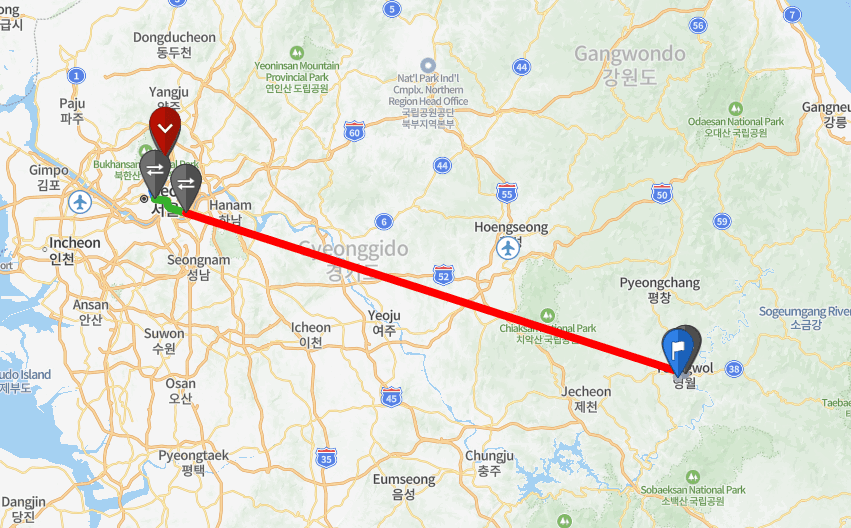
Reaching Yeongwol is easier than many people expect, even for international travelers.
- Option 1: Train + Taxi (Most Comfortable): Take a KTX or Mugunghwa train from Cheongnyangni Station to Yeongwol Station. The journey takes about 2 to 2.5 hours.
- Professional Tip: When taking a taxi from Yeongwol Station, you can simply show the driver this: “청령포로 가주세요” “Chung-young-po-ro gah-ju-seh-yo” (Please take me to Cheongnyeongpo). It’s a quick 10-15 minute ride.
- Option 2: Intercity Bus: Take a bus from Dong Seoul Bus Terminal to Yeongwol. Travel time is about 2.5 hours.
- Option 3: Driving: If you rent a car in Seoul, the drive takes about 2.5 hours. The mountain roads of Gangwon Province are especially scenic during autumn.
2. Best Photo Spots at Cheongnyeongpo to Recreate the Magic
Capture the cinematic essence of the film at these specific spots:
- The Cheongnyeongpo Sandbank: This wide sandbank appears throughout the film. Best Time: Early morning, when mist often rises above the Donggang River, creating a ghostly, beautiful atmosphere that recreates the movie’s opening scene.
- The Pine Tree of Danjong (Gwanum-song): According to legend, the young king leaned against this tree while gazing toward the capital. In the film, this is where the Warden stands watch—a perfect spot for a reflective portrait.
- The River Cliff Viewpoint: Across the river, this viewpoint offers a breathtaking panorama that perfectly captures the isolation portrayed in the movie.
3. A Perfect One-Day Itinerary for Fans
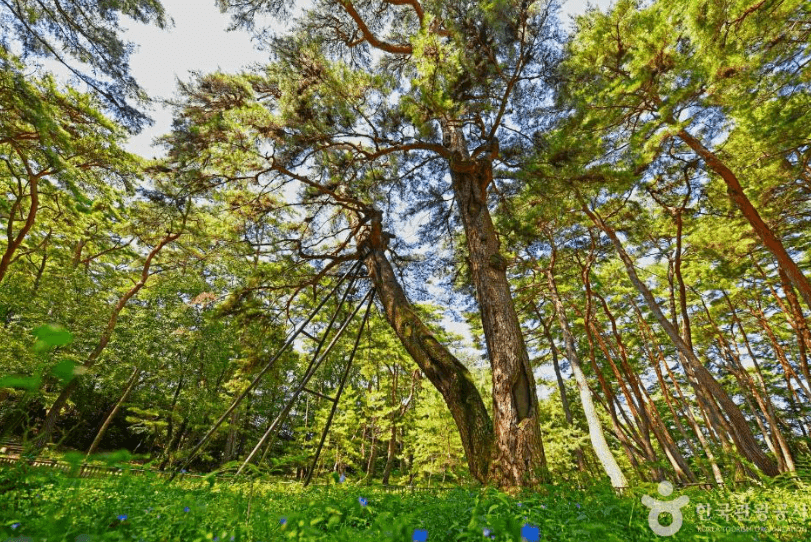
- Morning: Start at Cheongnyeongpo. You must take a short ferry to reach the sandbank. Spend about 1 hour walking the river trails and visiting historical markers.
- Afternoon: Visit Jangneung Royal Tomb. This UNESCO World Heritage site is the final resting place of King Danjong. The peaceful forest paths offer a reflective atmosphere after the river visit.
- Evening: Explore Yeongwol Western Market. This quiet town offers a glimpse of rural Korean life far from the crowds of Seoul.
| Time | Activity | Description |
|---|---|---|
| 10:00 | Cheongnyeongpo | Take the ferry and explore the pine forest trails. |
| 12:30 | Local Lunch | Try Makguksu (cold buckwheat noodles). |
| 14:30 | Jangneung Royal Tomb | Visit the UNESCO World Heritage site, final resting place of King Danjong. |
| 16:30 | Yeongwol Western Market | Taste local Memil-jeonbyeong (buckwheat crepes) and explore the market. |
| 18:00 | Byeolmaro Observatory | Watch the sunset over the mountains. |
4. Regional Specialties: What to Eat in Yeongwol

No visit to Yeongwol is complete without tasting local Gangwon-do specialties:
- Makguksu (Buckwheat Noodles): Typically served cold—perfect after a summer walk along the river.
- Freshwater Fish Dishes: Local restaurants along the Donggang River specialize in grilled fish or spicy stews.
- Market Snacks: Don’t miss Memil-jeonbyeong (buckwheat crepes) at the traditional market.
5. Why Cheongnyeongpo Feels So Emotional (The Power of Jeong)
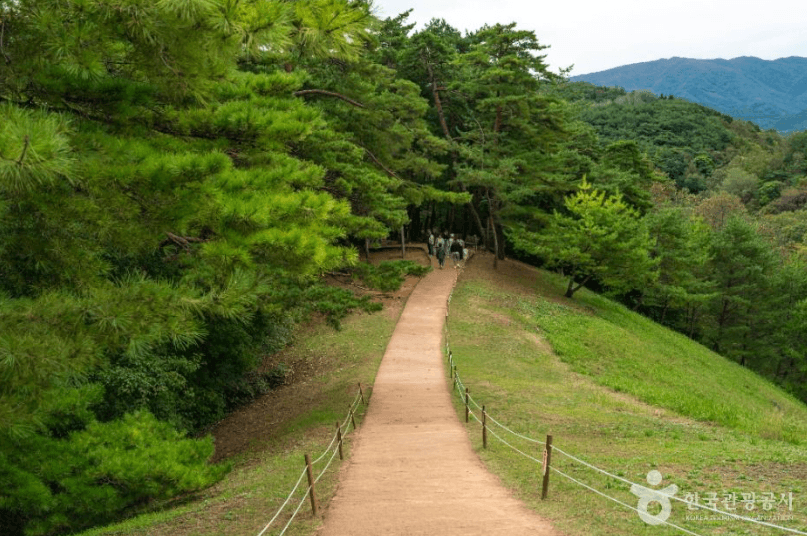
Many visitors say that Cheongnyeongpo feels unusually quiet and contemplative. Unlike many busy tourist attractions, the atmosphere here remains calm and reflective.
This quiet connection is deeply rooted in the Korean concept of Jeong (정)—the invisible emotional bond built through shared empathy, loyalty, and history. When you stand beneath the ancient pine trees, it becomes clear why filmmakers chose this landscape to tell such a moving story about humanity.
The Four Faces of Cheongnyeongpo: A Seasonal Symphony
Cheongnyeongpo isn’t just a static filming location; it is a living canvas that shifts its colors with the breath of the mountains. To truly capture the ShopGongi aesthetic, you must understand how the light and texture of this landscape change throughout the year.
Spring: The Awakening of Soft Pastels (March – May)
In spring, Cheongnyeongpo is defined by transparency. The surrounding Donggang River runs crystal clear, reflecting the pale green of new willow shoots. Wild azaleas dot the cliffs in soft pinks, creating a delicate contrast against the dark, ancient pine needles.
- The Vibe: Airy, hopeful, and “fresh.”
- Photo Tip: Use a wide aperture to capture the shimmering river surface against the budding flora.
Summer: Deep Emerald and River Mists (June – August)
Summer brings a “quiet intensity” to the forest. The 600-year-old Gwanum-song pine tree turns a deep, royal emerald, providing a cool sanctuary from the Korean heat. This is the best season to witness the famous river mists seen in The King’s Warden, where the water and sky seem to merge into a single white veil.
- The Vibe: Lush, mysterious, and “cool.”
- Photo Tip: Arrive at 6:00 AM to capture the thick fog rolling over the pebbled banks.
Autumn: The Fiery Han (한) of Gold and Red (September – November)
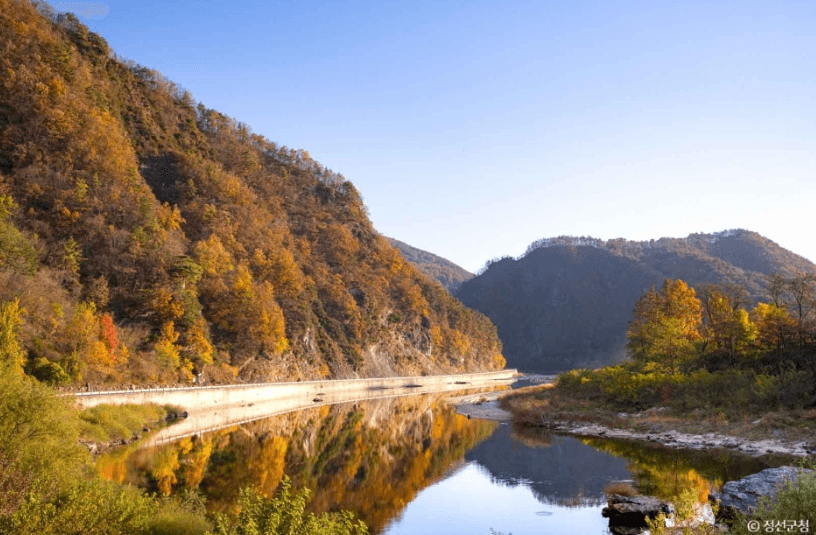
Autumn is perhaps the most cinematic season. The maples on the surrounding cliffs turn a brilliant crimson, mirroring the Han (deep grief) of the young king portrayed in the film. The golden sunset hitting the dry reeds along the sandbank creates a warm, nostalgic glow that feels like a scene from a classic painting.
- The Vibe: Poetic, melancholic, and “vibrant.”
- Photo Tip: The golden hour (one hour before sunset) provides the perfect natural filter for the autumn leaves.
Winter: The Ultimate Minimalist Landscape (December – February)
For those who appreciate the philosophy of “less is more,” winter is the ultimate time to visit. When snow blankets the sandbank, Cheongnyeongpo becomes a monochromatic masterpiece. The dark, twisted silhouettes of the pine trees against the pure white snow create a striking, minimalist composition that feels incredibly “Zen.”
- The Vibe: Silent, profound, and “pure.”
- Photo Tip: Focus on the contrast between the dark tree trunks and the white snow for a professional, high-concept shot.
Final Thoughts
Visiting the filming locations of “The King’s Warden” offers more than just a sightseeing experience. It is a journey into Korean history, culture, and nature. From the quiet riverbanks of Cheongnyeongpo to the serene forest paths of Jangneung Royal Tomb, Yeongwol offers a rare opportunity to step into a place where history and cinema meet.
For travelers seeking a deeper understanding of Korean history and emotion, Yeongwol remains one of the most quietly powerful destinations in Korea.
Related Articles
- The King’s Warden (2026): Why Korea Is Crying Over the Story of a 12-Year-Old King
- The Meaning of Jeong in Korean Culture: The Invisible Heart of Korea
Sources & Further Reading: