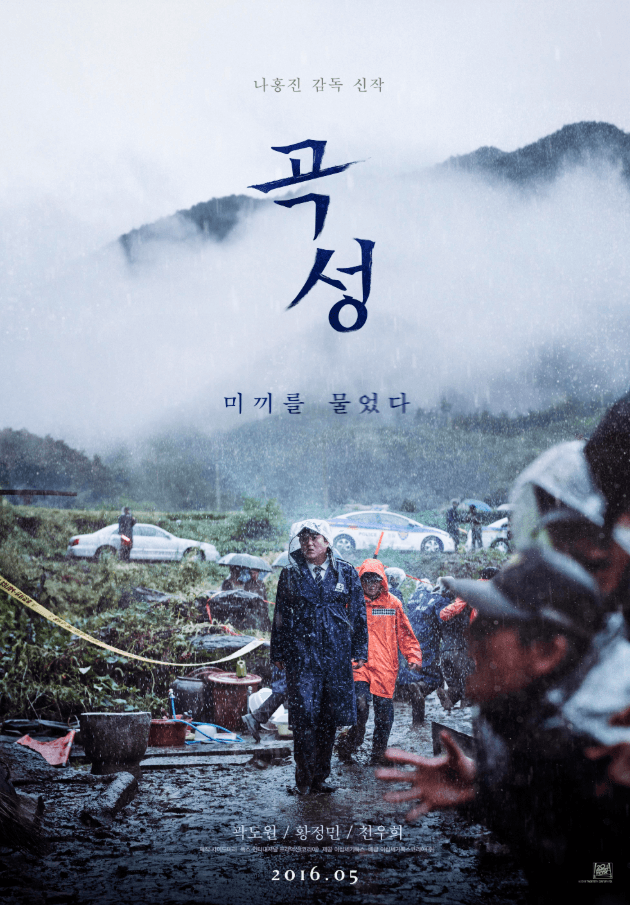
Introduction: Why This Mystery Still Haunts Global Cinema
This is the most complete explanation of The Wailing ending available online. Even a decade after its cinematic debut, The Wailing (2016), directed by Na Hong-jin, remains a titan of global horror. This masterpiece perpetually fuels intense debates on internet forums, film schools, and social media platforms. The central search for The Wailing ending explained represents more than a request for a simple plot summary; it serves as a desperate plea for clarity in a narrative that systematically dismantles human logic and replaces it with visceral dread.
Na Hong-jin—a filmmaker famous for his relentless pursuit of moral decay—transcends the jump-scare tropes of modern horror. He creates a slow-burn descent into a spiritual abyss where Christian theology, Japanese folklore, and Korean shamanism collide. This definitive guide provides an exhaustive, multi-layered analysis of the film’s conclusion and the cultural trauma embedded in every haunting frame.
1. Shadows Over Gokseong: Setting the Stage for the Tragedy
How Geography and Atmosphere Shape the Narrative
The setting of Gokseong plays a crucial role in the story’s power. While it is a real county in South Korea, its name phonetically mimics the Chinese characters for “the sound of wailing.” From the opening shot of a tranquil river, the director infuses the landscape with a sense of “damp dread.” The village acts as a breeding ground for an ancient, encroaching evil that feeds on the isolation of the rural community.
The arrival of a mysterious Japanese stranger marks the beginning of the end. Soon, a horrific “sickness” plagues the community, manifesting as weeping sores and uncontrollable homicidal rage. Unlike a typical zombie virus, this plague remains purely spiritual. It destroys the body while forcing victims to slaughter their own families. This destruction of the domestic sanctuary sets the primary context for the devastating outcome of the film’s ending.
Jong-goo’s Downfall and the Collapse of Reason
Our protagonist, Jong-goo, appears as an unremarkable, somewhat incompetent police officer. He represents a man of the modern world—clumsy, fearful, and overly reliant on his badge. However, when his daughter Hyo-jin displays signs of possession, his modern worldview collapses entirely.
His journey from a skeptic to a desperate father willing to perform a violent shamanic ritual forms the emotional core of the story. Beneath this desperation lies a universal human truth: we inevitably regress into primal rituals when science and law fail us. Jong-goo embodies the vulnerability that leads to the film’s tragic conclusion. His failure is not one of strength, but one of discernment.
2. The Moment Faith Surrendered to Doubt: The Final Crossroads
Navigating the Tension Between Truth and Lies
The final act functions as a masterclass in narrative tension. As Jong-goo stands at a literal and metaphorical crossroads, he faces a choice between two conflicting voices. On one side, the Shaman Il-gwang claims the woman in white is the evil spirit. On the other side, Moo-myeong (the woman in white) claims the Shaman and the Japanese stranger work together to consume the village.
This conflict represents the “fishing hook” prepared from the very first scene. The demon does not win through physical strength; it wins through the manipulation of Doubt. At its core, the film asks a terrifying question: How do you recognize the truth in a world built on lies? Jong-goo’s decision to ignore Moo-myeong’s warning and return home early provides the definitive tragic beat of the film.
Revelation in the Cave: The Demonic Mockery of Scripture
While Jong-goo experiences tragedy at home, the young deacon Yang-yi tracks the Japanese stranger to a mountain cave. This scene offers one of the most chilling reveals in cinema history. The stranger does not deny his identity as a demon. Instead, he quotes the Gospel of Luke to mock the deacon’s trembling faith.
As he speaks, his hands morph into claws and his eyes glow a hellish red. The demon does not simply exist—it thrives on human fear, suspicion, and the irreversible choices born from doubt. This confirmation of supernatural evil is essential to understanding the film’s climax. It manifests the darkness lurking within the human heart.
3. The Unholy Alliance: The Secret Partnership Revealed
Deconstructing the Deceptive ‘Gut’ Ritual
One of the most common points of confusion involves the simultaneous ritual scene. Many viewers initially believe Il-gwang attempts to kill the stranger. However, a closer analysis reveals a darker truth. The physical pain the stranger feels during the ritual stems from the presence of Moo-myeong, who actively hunts him nearby.
In reality, Il-gwang directs his “Hex” at Hyo-jin. Every stake he drives into the wooden totem serves as a spiritual blow to the young girl, breaking her will so the demon can inhabit her body. The Shaman acts as a “feeder”—a human servant who prepares the “bait” for the demon’s catch. More importantly, this betrayal suggests that the very people we pay for protection may be the ones leading us to slaughter.
The Fundoshi and the Box of Photographs
Na Hong-jin leaves subtle clues for the observant viewer:
- The Clothing: After the failed ritual, Il-gwang changes his clothes, revealing a fundoshi (Japanese loincloth). This visual link is undeniable.
- The Photos: In the final seconds, Il-gwang is seen with a box of photographs of the victims—the same “trophies” the demon collected.
They represent two sides of the same coin, working together to harvest innocent souls. This unholy alliance suggests a globalized form of evil, depicting a collaboration between a corrupt local tradition and an invading foreign malevolence.
4. Moo-myeong: The Guardian Spirit and the Failed Protection
The Role of the Indigenous Protector
Moo-myeong (meaning “No Name”) embodies the Sansin, the ancient mountain spirit of Korean folklore. By wearing the clothes of the victims—a cardigan here, a hairpin there—she carries their heavy memories and pain. This guardian spirit operates as a collector of sorrows rather than a predatory entity.
Using a “spiritual web” made of snapdragon flowers, she attempts to trap the demon before he can finish his harvest. These flowers carry deep significance because, when they dry, they resemble tiny human skulls. They offer both a warning and protection. If Jong-goo had waited for the third rooster crow, the trap would have neutralized the demon. Moo-myeong represents the silent, often ignored voice of intuition and tradition.
Why the Father Mistook Salvation for Evil
When Jong-goo touches Moo-myeong’s hand, he describes it as “cold like a corpse.” This brilliant narrative trick misleads the protagonist and the audience. To a mortal man, the touch of a divine spirit feels alien and frightening. Jong-goo mistakes her supernatural nature for evil, proving that humans often fail to recognize their own salvation. What makes this terrifying is that his fear of the “other” prevents him from accepting the help he desperately needs.
5. Historical and Cultural Subtext: Healing Old Wounds
Colonial Trauma and the Fear of the Stranger
The choice of a Japanese antagonist invokes Korea’s painful colonial past (1910–1945). The fear of the “mysterious Japanese man” remains a dormant trauma in the Korean psyche. By making the villain a stranger from across the sea, Na Hong-jin explores how historical wounds become weaponized by supernatural forces.
The villagers’ prejudice against the stranger serves as a “self-fulfilling prophecy.” Their xenophobia drives them toward violence, which in turn feeds the demon’s power. It asks a difficult question: Does the demon exist because it is Japanese, or did the villagers’ hatred create the space for it to manifest?
6. Directorial Brilliance: Na Hong-jin’s Path to Perfection

Atmospheric Realism and the “Suffocating Humidity of Fear”
The director is notorious for his perfectionism. He insisted on filming during actual rainy days, leading to a production schedule that lasted nearly a year. This dedication creates a “visceral dampness” and a suffocating humidity of fear that permeates every scene. You can almost smell the wet earth and the copper scent of blood.
The cinematography avoids the “polished” look of Hollywood horror, opting instead for a gritty, documentary-style realism. The use of long takes during shamanic rituals adds an exhausting, trance-like quality to the film. This grounded approach makes the supernatural reveals feel terrifyingly plausible.
Engineering the 50/50 Split of Human Doubt
The director spent six months in the editing room focusing solely on the final sequence. To ensure the audience feels the exact same “50/50 doubt” that plagues Jong-goo, he meticulously timed every cut. By alternating between the Shaman’s frantic warnings and the Woman’s quiet pleas, Na Hong-jin forces the viewer to participate in the tragedy.
Rather than just watching Jong-goo fail, the audience experiences that failure alongside him. This immersive editing style ensures that we question the “real” villain until it is far too late to change the outcome.
7. Biblical Symbolism and the Fishing Metaphor
The Rooster Crow and the Denial of Faith
The requirement for the rooster to crow three times directly references the Apostle Peter’s denial of Jesus. Just as Peter’s faith failed him, Jong-goo’s faith in the village’s protector fails. This biblical layer elevates the story to a universal exploration of the fragility of human belief. It suggests that the struggle between good and evil is a repeating cycle in human history.
How the Demon Uses the Human Heart as Bait
“He is just fishing,” the Shaman tells Jong-goo. This line is perhaps the most important in the entire film. The demon is not a predator that hunts; it is an angler that waits. It throws out the bait—photographs, rumors, fear—and waits for a human to “bite” by making a choice based on doubt. The tragedy of this complex narrative is that the characters are caught by their own choices, not by the demon’s physical strength.
8. The Global Legacy of This Horror Masterpiece
Cannes Acclaim and the Universal Resonance
When the film premiered at Cannes, it received a standing ovation and near-universal acclaim. Critics hailed it as a “transcendental horror experience” that redefined the genre. Its success proved that “local” stories—filled with specific Korean rituals and history—can resonate globally if they touch on the universal human condition.
Inspiring New Waves of Korean Cinema
The film inspired a new wave of Korean horror, most recently seen in the 2024 hit Exhuma. Filmmakers now explore the darker, messier aspects of Korean tradition, moving away from simple ghost tropes. This interpretation remains the gold standard for this genre-defying approach, blending police procedural, black comedy, and supernatural horror into a seamless whole.
9. Scene-by-Scene Analysis: Unraveling the Dread
The Discovery of the Cabin and the Collection of Souls
When Jong-goo first enters the stranger’s cabin, the film establishes the “fishing” motif. The wall of photos serves as a haunting collection of captured souls. Finding Hyo-jin’s shoe among the belongings of the dead marks the moment the horror becomes personal. This scene acts as a crucial anchor, proving that the demonic entity has been “baiting” the protagonist from the start.
The Final Conversation with the Woman in White
The tension in this final street scene feels unbearable. Jong-goo’s eyes dart between the woman’s desperate face and the path leading to his family. Na Hong-jin uses tight close-ups to emphasize the overwhelming psychological pressure. When the second rooster crows, the audience feels the ticking clock of a looming tragedy. This sequence encapsulates the core message: evil triumphs when good men succumb to fear and suspicion.
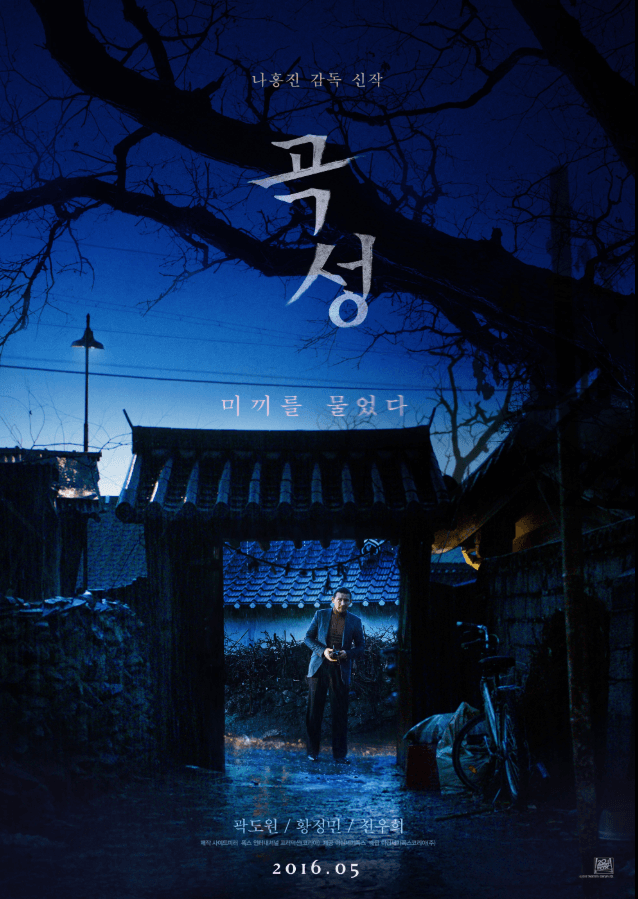
Final Thoughts: The Sound of Eternal Wailing
The conclusion of this epic is not a puzzle to be solved, but an experience to be felt. It captures the sound of a father’s grief, a village’s collapse, and a spirit’s silence. We are left with a chilling realization: the world contains forces we cannot explain. Our desire for simple answers—or our tendency to blame “the other”—leads us directly into the trap.
In the end, the true horror is not the demon itself—but the fragile nature of human belief. As you look back at the final frame—Jong-goo lying in the ruins of his life—remember the woman in white. She remains there, waiting for someone to believe her. But as long as fear, doubt, and historical hatred rule our hearts, the demon will continue to fish. And we will continue to bite.
Related Articles
For more detailed information on these classics, you can visit the Korean Movie Database (KMDb)
or check out the Korean Film Council (KOFIC) official website.