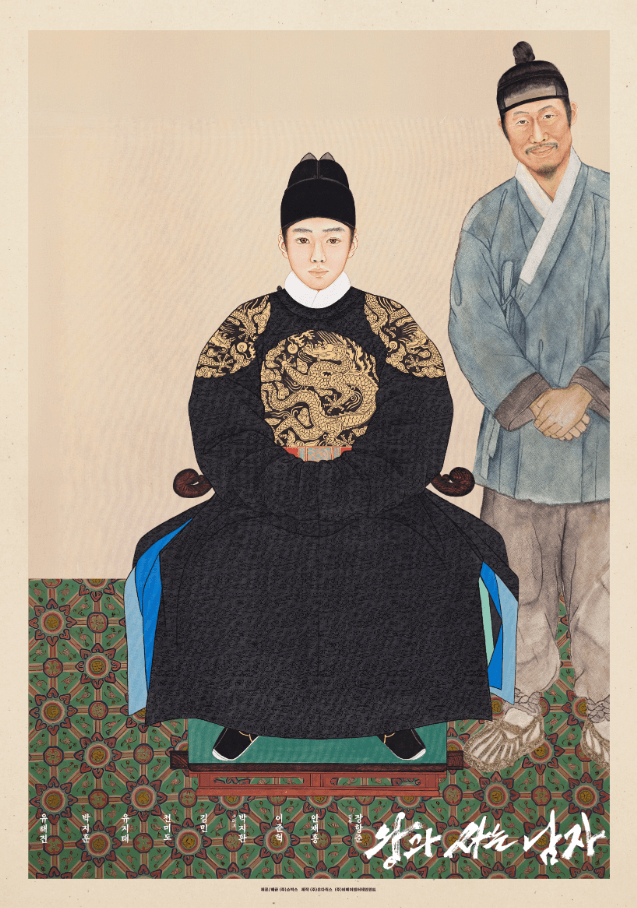
The Meaning of Jeong is one of the most unique and deeply rooted emotional concepts in Korean culture. In today’s modern world, understanding the Meaning of Jeong is essential to truly connecting with Korean cinema and culture.
To many, the meaning of Jeong might seem like a complex philosophy, but to us, it’s a daily experience.
If you have ever watched the tragic story of the exile of Danjong of Joseon—a tale often retold in Korean cinema—you may have noticed a quiet but powerful emotional force connecting the characters.
In Korea, this invisible bond is called Jeong (정).
It is more than love or sympathy—it is the invisible thread that binds people together over time.
For many international viewers, understanding the Meaning of Jeong offers deeper insight into why Korean stories feel so emotionally resonant.
What Is the Meaning of Jeong? The Invisible Emotional Bond
While many Western cultures emphasize individuality and independence, Jeong focuses on the emotional connections that develop between people over time.
It cannot be easily translated into English because it represents a combination of:
- empathy
- loyalty
- shared history
- emotional responsibility
Unlike romantic love, which can appear suddenly, Jeong grows slowly through everyday experiences—through kindness, shared struggles, and moments of quiet understanding.
Many Koreans describe it with a simple metaphor:
Jeong is like moss growing on a stone.
It takes time to form, but once it does, it becomes almost impossible to remove.
Because of this, the meaning of Jeong is often described as the deep emotional foundation of all Korean relationships.
Understanding the Meaning of Jeong in Everyday Korean Life
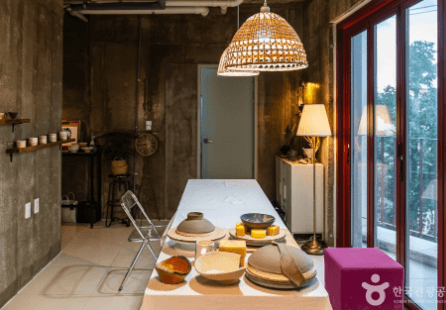
Jeong is not only a philosophical concept. It is something Koreans experience in daily life.
You might notice Jeong in simple moments such as:
- a restaurant owner offering a free side dish
- a neighbor helping without being asked
- an older woman treating a stranger like family
These small gestures reflect a cultural belief that relationships grow through kindness and shared humanity.
Visitors to Korea often encounter this through something called “Deom (덤)” culture—when a street vendor gives a little extra food or a shop owner adds a small gift simply out of goodwill.
This is not a business strategy.
It is an expression of Jeong.
Real-Life Examples of Jeong
To truly understand jeong, it helps to see how it appears in real situations.
Sharing Without Expectation
People often share food or help others without expecting anything in return. These repeated acts of kindness gradually build emotional connection.
Staying Connected Over Time
Even after long periods without contact, relationships in Korea often remain strong. A simple message or visit can carry deep emotional meaning.
Silent Support
Sometimes jeong is expressed without words—through presence, patience, and quiet understanding during difficult moments.
The Genetic Code of Solidarity: Why Jeong is Korea’s Survival Instinct
To truly grasp the meaning of Jeong, one must look at the turbulent history of the Korean peninsula. For centuries, Korea faced numerous invasions, colonizations, and the devastating Korean War. In these times of extreme scarcity and suffering, individual survival was impossible. Jeong emerged as a biological and social necessity.
It was the collective “glue” that allowed villagers to share their last bowl of rice with a neighbor’s child. This historical trauma transformed Jeong from a simple emotion into a national survival strategy. When you experience Jeong in 2026, you are not just seeing kindness; you are witnessing a 2,000-year-old legacy of communal resilience. This is why Jeong feels “heavy”—it carries the weight of ancestors who survived by leaning on one another.
The “Space Between”: Deconstructing the Non-Verbal Language of Jeong
In Western psychology, intimacy is often built through “Self-Disclosure”—talking about one’s feelings. However, the meaning of Jeong operates in the “Space Between” (In-gan, 인간).
- The Art of Nunchi: Jeong is often delivered through Nunchi (the ability to read the room). It is the silent realization that a friend is tired and quietly ordering them a warm tea without asking.
- High-Context Connection: Korea is a “High-Context” society. This means the most profound expressions of Jeong are non-verbal. In The King’s Warden, the village chief doesn’t give a grand speech about loyalty. Instead, his Jeong is found in the way he places a straw mat on the cold floor for the young King. It is a “Minimalist Love” that speaks louder than words.
Jeong vs. Love: A Philosophical Distinction
Many international viewers mistake Jeong for romantic love (Sarang), but they are fundamentally different.
- Direction of Time: Love is often forward-looking and can be impulsive. Jeong is backward-looking. It is the accumulation of shared time. You can stop loving someone, but you cannot easily “stop” having Jeong for them.
- The “Ugly” Bond (Miun-Jeong): This is the most fascinating aspect for Westerners. You can genuinely dislike someone—a difficult boss or an annoying sibling—yet feel a deep sense of responsibility toward them because of the time you’ve spent together. This “Bitter Jeong” is why Korean families stay together through immense conflict; the bond of shared time is considered more sacred than individual happiness.
The Architecture of “Deom”: The Economics of the Heart
As I mentioned earlier, the culture of “Deom” (giving extra) is a physical manifestation of the meaning of Jeong. In a capitalist world focused on “Exact Transactions,” Deom is a radical act of subversion.
- Breaking the Transaction: When a vendor gives you an extra apple, they are saying, “Our relationship is more important than this 50-cent profit.” They are intentionally breaking the “equal exchange” to create an “emotional debt” that keeps people coming back.
- The “Airy” Wealth: This creates a society where “Social Capital” (Jeong) is valued as much as financial capital. For a creator who values minimalist aesthetics, Deom represents the “extra beauty” that isn’t strictly necessary but makes life meaningful.
Jeong in the Digital Age: Can It Survive the Metaverse?
A common question in 2026 is whether the meaning of Jeong can survive in a high-tech, digital-first Korea.
- The “K-Digital” Community: Interestingly, Jeong has migrated online. Global K-pop fandoms operate on a digital version of Jeong—sharing translations, supporting one another in times of grief, and organizing massive charity events.
- The Paradox of Seoul: While Seoul is a hyper-modern “Cyberpunk” city, the “Jeong-based” neighborhoods (like the small alleys in Yeongwol or the traditional markets in Seoul) act as the city’s emotional lungs. The “Quiet Intensity” of these spaces provides a necessary contrast to the fast-paced digital life, proving that Jeong is not an ancient relic but a living, breathing “Operating System” for the future.
The Cinematic Weight: Why Jeong Makes Us Cry
Korean cinema, from Parasite to The King’s Warden, uses Jeong as its primary “Emotional Engine.”
- The Tragedy of Broken Jeong: The most heartbreaking moments in Korean films aren’t just deaths; they are the betrayal of Jeong. When a character we’ve grown to love is forced to turn against their “Jeong-bound” companion, the pain is visceral because the audience understands that a piece of their soul has been ripped away.
- The “Ordinary” Hero: Jeong turns ordinary people into heroes. In The King’s Warden, the villager isn’t a trained warrior. He is just a man with a lot of Jeong. This suggests that the greatest power in the world isn’t physical strength, but the resilient bond of the human heart.
The Global Necessity of Jeong
Ultimately, understanding the meaning of Jeong is an invitation to live more deeply. In a world that often feels transparent and thin, Jeong offers a “Heavy and Opaque” connection. It reminds us that we are not islands, but part of a vast, interconnected moss-covered landscape. Whether you are traveling through the riverbanks of Yeongwol or watching a film in a theater in London, Jeong is the bridge that allows us to find ourselves in the stories of others.
A Personal Perspective
As a photographer, I’ve spent years looking through a lens. I’ve realized that the most beautiful moments in Korea aren’t the big landmarks, but the small, quiet gestures of Jeong.
While working with people, I noticed that the strongest emotional connections are rarely expressed through words. Instead, they appear in small gestures—someone adjusting another person’s clothing, preparing something without being asked, or simply staying close in silence.
These moments may seem insignificant, but they carry a quiet emotional weight.
That is jeong.
The Meaning of Jeong in Korean Cinema: Emotional Depth
Korean cinema has become globally popular partly because it captures this emotional depth.
When I watched ‘The King’s Warden,’ it wasn’t the tragedy of the young king that made me cry. It was the ‘Jeong’ between him and the village chief—a bond that didn’t need many words.
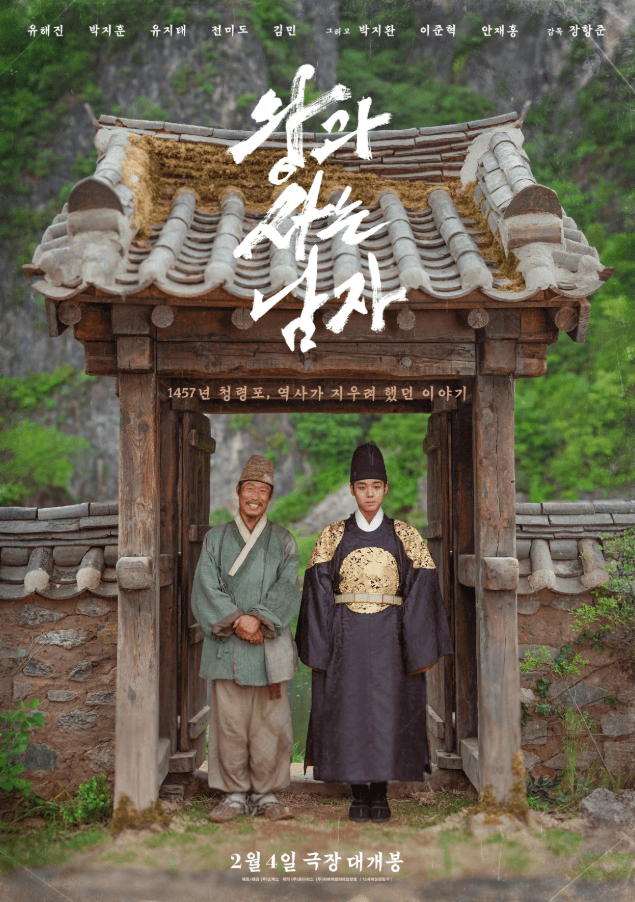
In the film, the young exiled king Danjong forms an unexpected emotional bond with the village chief Eom Heung-do, a man tasked with watching over him during his exile.
At first, the relationship is based on duty.
However, as they spend time together in the isolated landscape of Cheongnyeongpo, something deeper begins to develop.
That connection is Jeong.
The village chief no longer sees a political prisoner.
He sees a lonely boy who has lost everything.
And the young king no longer sees a guard.
He sees someone who understands his suffering.
This quiet emotional bond is what moved millions of viewers and helped The King’s Warden become one of Korea’s most talked-about films of 2026.
The Two Faces of Jeong: Goun-Jeong and Miun-Jeong
Another fascinating aspect of Jeong is that it is not always purely positive.
Korean culture recognizes two types of Jeong:
Goun-Jeong (고운 정)
This is the warm and affectionate side of emotional connection.
It develops through positive experiences such as:
- kindness
- support
- shared happiness
Miun-Jeong (미운 정)
This is the bittersweet side of attachment.
It develops through:
- arguments
- frustration
- long relationships that include conflict
Interestingly, Koreans often believe that true emotional bonds include both forms.
When you care about someone despite their flaws and disagreements, it means that Jeong has taken root.
This emotional complexity is one of the reasons why Korean storytelling often feels so deeply human.
How Travelers Can Experience Jeong in Korea
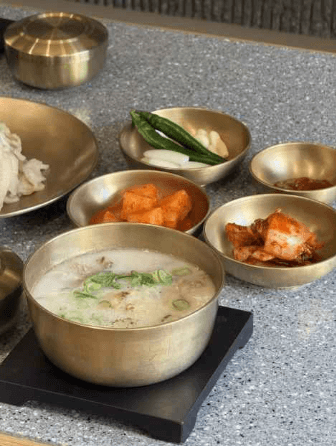
For visitors traveling through Korea, Jeong is not something you will find in a museum.
Instead, you will encounter it in everyday life.
You might experience it when:
- a guesthouse owner prepares breakfast just for you
- a stranger helps you navigate the subway system
- a shop owner offers extra food or tea
These moments may seem small, but they reflect a cultural value that prioritizes long-term human connection over short-term transactions.
To fully grasp the meaning of Jeong, one must experience the warmth of Korean hospitality firsthand.
In many ways, Jeong represents a quieter philosophy of life—one that values empathy, patience, and shared humanity.
Why the Concept of Jeong Resonates Globally
As Korean culture continues to gain global popularity through films, dramas, and music, international audiences are becoming increasingly curious about the deeper emotional values behind Korean storytelling.
Many viewers who watched The King’s Warden were moved not simply by the historical tragedy but by the emotional connection between characters.
That connection is Jeong.
In a world that often feels increasingly fast and disconnected, the Korean philosophy of Jeong offers something meaningful:
- empathy over competition
- loyalty over convenience
- emotional understanding over power
Perhaps that is why stories rooted in Jeong resonate so strongly with audiences around the world.
The Quiet Power and Meaning of Jeong
The success of films like The King’s Warden reminds us that powerful stories are not always about action or spectacle.
Sometimes the most moving stories are the quietest ones.
Ultimately, the meaning of Jeong teaches us that the most powerful emotional bonds are built slowly through shared experiences and compassion.
In a world that often emphasizes speed, independence, and personal gain, the Korean concept of Jeong offers a different perspective:
relationships built on patience, empathy, and humanity.
And perhaps that is why, when audiences watched the story of a lonely young king and the villager who cared for him, so many people in Korea—and around the world—found themselves deeply moved.
Because at its heart, the story was not only about history.
It was about Jeong.
Related Articles
If you are interested in Korean culture and cinema, you may also enjoy:
- The King’s Warden (2026): Why Korea Is Crying Over the Story of a 12-Year-Old King
- [New Guide] How to Visit Cheongnyeongpo: 5 Heartbreakingly Beautiful Tips (Visit the actual filming location of the movie!)
- Sopyonje (1993): The Most Beautiful Icon of Classic Korean Cinema
- Why Korean Culture Fascinates the World
Sources & Further Reading
For deeper research into Korean culture and cinema: