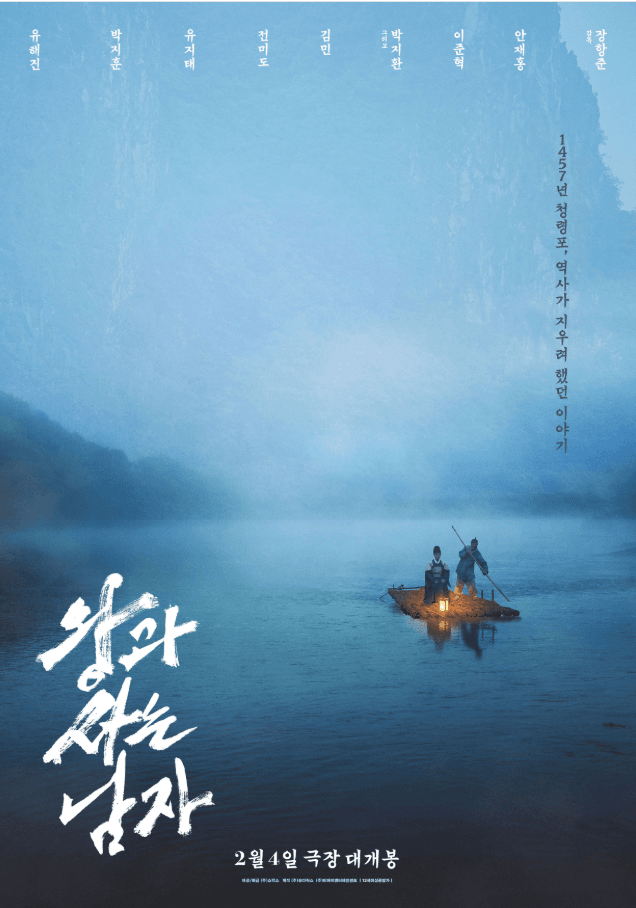
Why is everyone in Korea crying over the story of a 12-year-old king in 2026? The answer lies in The King’s Warden, the historical film that has quickly become one of the most talked-about Korean movies of the year. Since its release in early 2026, this cinematic masterpiece has captured the hearts of millions of viewers with its emotional storytelling and tragic history.
Within just a few weeks, the movie surpassed 10 million viewers in South Korea, officially joining the prestigious group of Korean films known as “ten-million movies.” This incredible success has turned the film into a national cultural phenomenon, dominating conversations across media, workplaces, and social gatherings.
For the Korean film industry, reaching ten million viewers is more than a box-office achievement. When a movie like The King’s Warden crosses this milestone, it becomes a shared national experience — a film that an entire country watches, discusses, and emotionally connects with together.
Why The King’s Warden Reached 10 Million Viewers in Korean Cinema
In South Korea, reaching ten million viewers is considered one of the greatest achievements a film can reach. The remarkable success of The King’s Warden places the film among the most influential Korean movies of recent years.
Unlike much larger film markets such as the United States or China, South Korea has a population of about 51 million. Because of this, the ten-million milestone achieved by The King’s Warden represents an extraordinary level of national engagement.
By reaching this massive audience, the film quickly became more than just a movie. It evolved into:
A Historic Box Office Benchmark: Only a small number of Korean films reach this milestone. By joining the ten-million-viewer club, The King’s Warden has secured its place in Korean cinema history.
A Shared Social Conversation: Across Korea, people began discussing the story everywhere — from family gatherings to workplace lunches and online communities.
A National Cultural Event: The emotional narrative resonated deeply with audiences, turning the film into a cultural moment that united viewers across generations.
The Historical Story Behind The King’s Warden
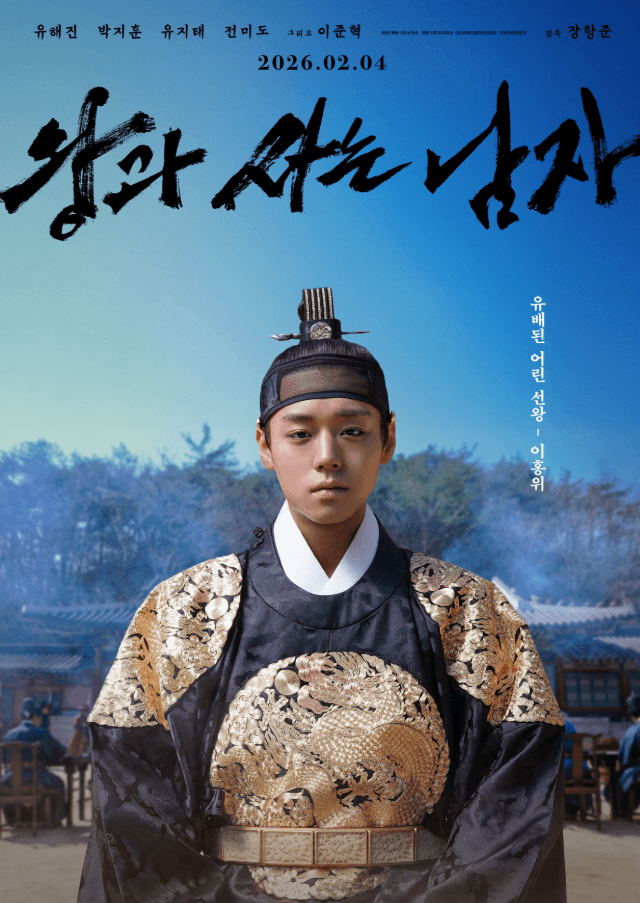
Park Ji-hoon’s emotional portrayal of King Danjong has moved millions of viewers in 2026. The impact of the film comes from its foundation in real Korean history, specifically the tragic fate of Danjong, the sixth monarch of the Joseon Dynasty.
In The King’s Warden, audiences witness the heartbreaking life of a boy king who ascended the throne at just twelve years old before losing his kingdom to political betrayal. His uncle, later known as Sejo of Joseon, seized power through a coup and forced the young king into exile.
The Exile Location Featured in The King’s Warden
One of the most memorable locations in the film is Cheongnyeongpo. This remote peninsula, surrounded by the Donggang River and steep cliffs, became the real historical exile site of King Danjong.
In the movie, this hauntingly beautiful landscape symbolizes both isolation and quiet tragedy. After the success of The King’s Warden, tourism to Cheongnyeongpo increased dramatically as visitors came to see the real place where the story unfolded.
The Emotional Power of The King’s Warden
What makes this film so powerful is not spectacle or action. Instead, it explores the deeply Korean concept of Jeong (정) — a warm emotional bond built through empathy, loyalty, and shared hardship.
The relationship between the young king and the village chief Eom Heung-do, played by Yoo Hae-jin, becomes the emotional heart of the story. Through this connection, The King’s Warden transforms a tragic historical story into a deeply human narrative.
The Story of the Film: Loyalty Beyond Power
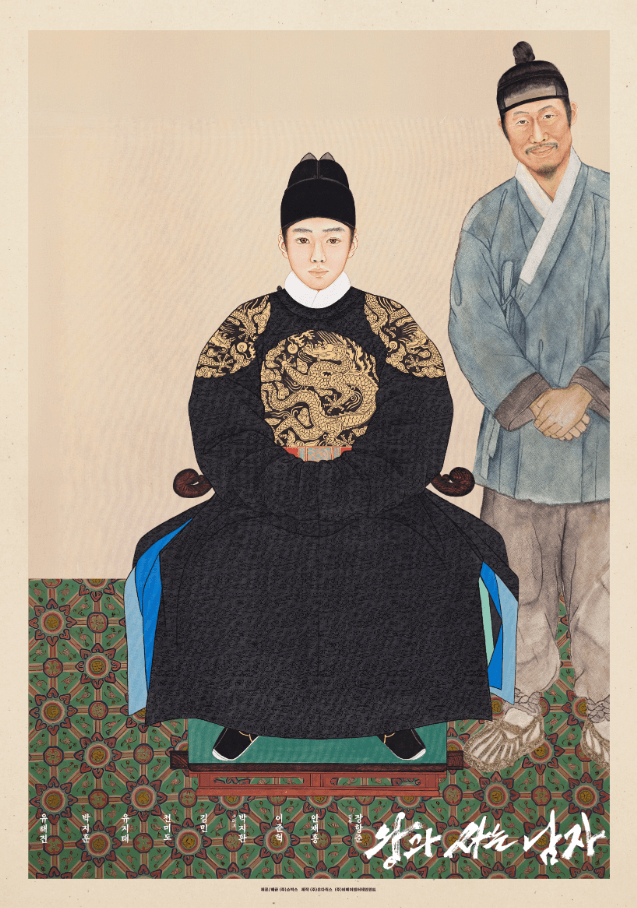
Unlike many historical films that focus on palace politics, The King’s Warden tells its story from the perspective of ordinary people.
The central character, village chief Eom Heung-do, initially expects that hosting a royal exile might bring him personal advantage. However, when he meets the young king, his perspective changes. Gradually, the relationship between the two becomes a profound human bond built on compassion and loyalty.
The film explores several powerful themes:
Jeong (정): The uniquely Korean emotional bond of empathy and shared humanity.
Quiet Resistance: The story suggests that kindness can become a powerful form of resistance.
The Humanity Behind History: It reveals the emotional experiences of the ordinary people who lived through history.
Director Jang Hang-jun’s Vision for The King’s Warden
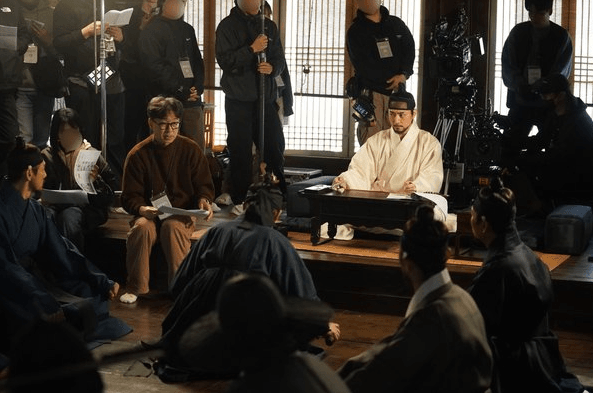
He is widely known in Korea for his intelligence, but The King’s Warden represents one of his most emotionally mature works.
Rather than relying on grand spectacle, his directing style focuses on quiet emotional moments, natural landscapes, and restrained performances. The result is a film that feels intimate and deeply human despite its historical setting. This artistic restraint is what sets The King’s Warden apart from other historical blockbusters.
Performances That Moved a Nation
The emotional strength of the film is driven largely by its performances. Each cast member brings the tragic story to life in a deeply moving way.
Yoo Hae-jin as Eom Heung-do: Meanwhile, Yoo Hae-jin brings warmth and humanity to the role of the protector. The chemistry between the 두 actors creates the emotional core of the film.
Park Ji-hoon as King Danjong: He delivers a subtle and restrained performance that captures the vulnerability of a young ruler. In The King’s Warden, Park Ji-hoon delivers one of the most powerful performances of his career.
The King’s Warden Filming Locations: Travel Guide to the Real Historical Sites
One of the most visually striking aspects of The King’s Warden is its use of authentic historical landscapes.
After the film’s enormous success, many viewers have begun traveling to the real locations featured in the story.
These places are not only filming locations but also important historical sites connected to the tragic life of King Danjong.
Cheongnyeongpo (Yeongwol)
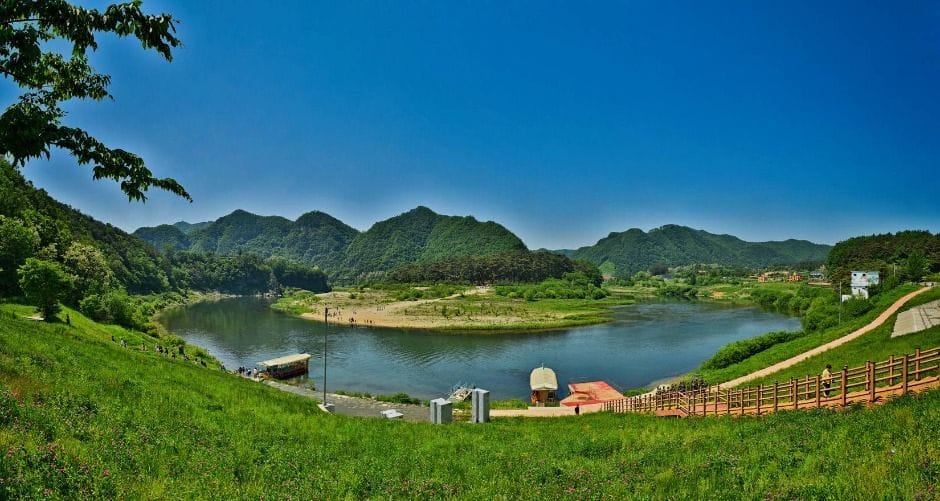
Cheongnyeongpo is the real historical exile site of King Danjong and one of the most iconic locations featured in The King’s Warden.
Surrounded by dramatic cliffs and the winding Donggang River, the peninsula creates a powerful sense of isolation that reflects the young king’s tragic fate.
Since the release of the film, tourism to Cheongnyeongpo has increased significantly as visitors come to see the place where this emotional story unfolded.
Mungyeong Saejae
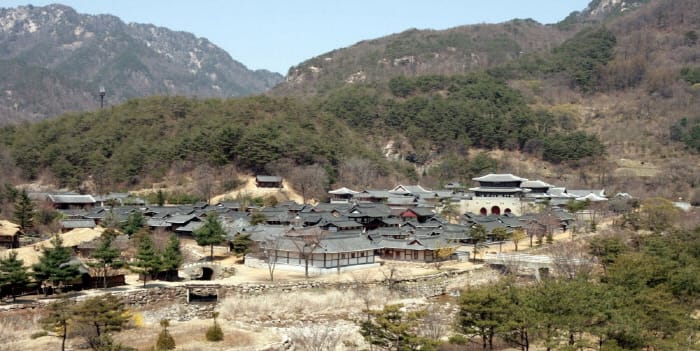
Mungyeong Saejae appears in several scenes of The King’s Warden, recreating the historic mountain roads used during the Joseon Dynasty.
The well-preserved landscape provides an authentic historical atmosphere and allows visitors to experience the same paths that travelers once used centuries ago.
Today, it remains one of Korea’s most popular historical filming locations.
Jangneung Royal Tomb
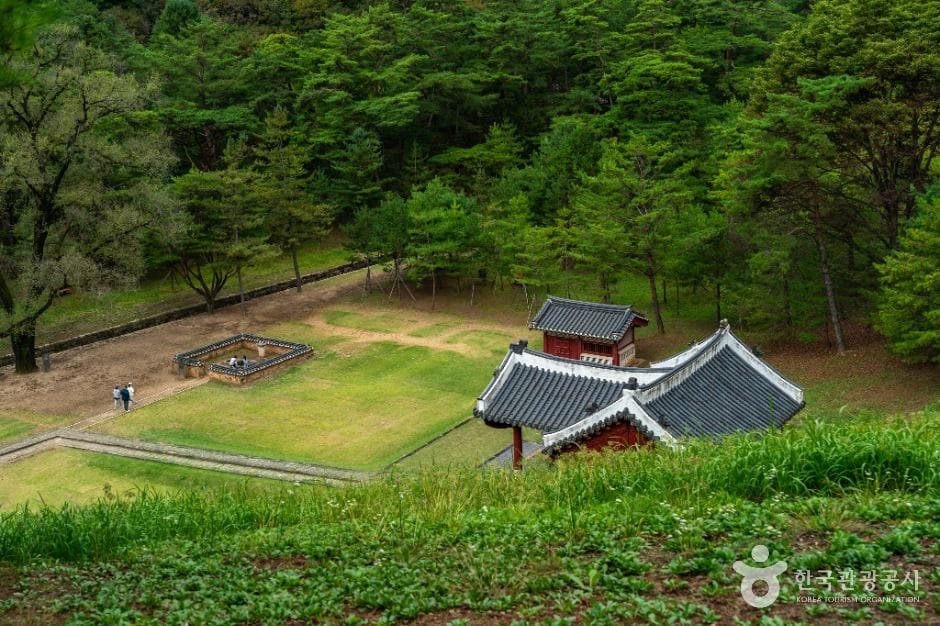
Recognized as part of Korea’s UNESCO World Heritage royal tombs, the site has become a place of quiet reflection for visitors who have watched The King’s Warden.
For many travelers, visiting Jangneung offers a deeper emotional connection to the tragic history portrayed in the film.
Why Modern Audiences Loved The King’s Warden
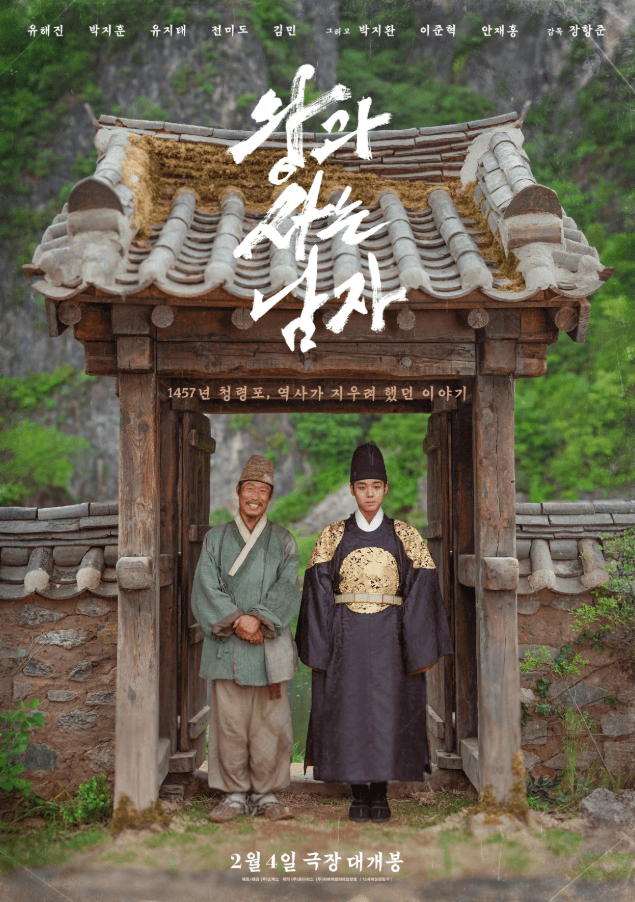
The enormous success of The King’s Warden surprised many industry observers.
Its powerful resonance with audiences can be explained by several factors.
A Story of Emotional Healing
In an era dominated by fast-paced streaming entertainment, audiences responded to the film’s calm storytelling and emotional sincerity.
Rediscovering the Meaning of Jeong
The film reminds viewers of the importance of empathy and loyalty — values deeply rooted in Korean culture.
Reflecting on History
By focusing on the emotional experiences of ordinary people, the film allows viewers to see history through a more human perspective.
Why International Audiences Are Discovering the Film
As the global popularity of Korean culture continues to grow, international audiences are increasingly discovering The King’s Warden and other powerful Korean historical films.
The success of The King’s Warden shows that Korean cinema can resonate with viewers far beyond the country’s borders.
Through its storytelling, The King’s Warden introduces global audiences to:
- Korean history
- emotional storytelling traditions
- historical landscapes
- cultural values like Jeong
For many international viewers, the film offers a deeper understanding of Korea beyond modern pop culture.
FAQ
Is “The King’s Warden” based on a true story?
Yes. While certain character interactions are dramatized, the exile of King Danjong and the historical figure Eom Heung-do are based on real historical records from the Joseon Dynasty.
Where was “The King’s Warden” filmed?
Major filming locations include Cheongnyeongpo in Yeongwol and Mungyeong Saejae, both famous historical landscapes in South Korea.
Why did the film reach 10 million viewers?
Audiences connected deeply with its emotional storytelling, historical authenticity, and the universal theme of loyalty and humanity.
Final Thoughts
“The King’s Warden” demonstrates that the most powerful stories are often the quietest ones.
By revisiting the tragic history of King Danjong through the eyes of ordinary people, the film reminds audiences that history is shaped not only by rulers but also by the compassion and loyalty of those who stand beside them.
In doing so, director Jang Hang-jun has created a film that resonates far beyond its historical setting — a story about humanity that continues to move audiences around the world.
As a masterpiece of 2026, The King’s Warden will be remembered as a film that touched the soul of a nation and reintroduced global audiences to the emotional depth of Korean cinema.
Related Articles
- [New Guide] How to Visit Cheongnyeongpo: 5 Heartbreakingly Beautiful Tips (Visit the actual filming location of the movie!)
- Sopyonje (1993): The Most Beautiful Icon of Classic Korean Cinema
- Why Korean Culture Fascinates the World
- 10 Iconic K-Drama Filming Locations in Korea
Sources & Further Reading:
- For more detailed information on these classics and filmography, visit the Korean Movie Database (KMDb)
- Photos by Korea Tourism Organization / Korea Tourism Organization:
https://knto.or.kr/